

TOAs thousands of hikers prepare to hike the 2,198-mile Appalachian Trail this season, a groundbreaking medical study offers a potential solution to one of the trail’s most persistent health crises: chronic symptoms of Lyme disease. Researchers at Johns Hopkins University School of Medicine recently published results from a pilot trial indicating that psilocybin-assisted therapy can significantly reduce post-treatment Lyme disease (PTLD) symptoms.
What is PTLD?
Lyme disease is a well-documented risk for visitors to the Appalachian Trailwhich passes through regions with some of the highest rates of Lyme disease in the US.
While many hikers recognize the acute, flu-like symptoms of Lyme disease from a recent tick bite, many are unaware of the long-term risks associated with PTLD. Statistics show that approximately 10% to 20% of patients who complete standard antibiotic treatment continue to suffer from this chronic syndrome.
PTLD manifests through several life-disrupting symptoms, including profound fatigue that does not improve with rest, widespread musculoskeletal pain, and significant cognitive impairment often described as mental confusion.
Ticks can be quite small and difficult to detect, so it is important to do a thorough tick check every night. Photo via Eric Karits
Reconfiguring the immune response
To combat these chronic problems, a pilot study investigated whether psilocybin (the active compound in magic mushrooms) could reset the biological systems of patients with documented PTLD. During the eight-week intervention, researchers combined two moderate-to-high doses of psilocybin with structured psychological support.
Scientists believe that the drug acts as a serotonin 2A receptor agonist. By stimulating these receptors, the treatment potentially reduces neuroinflammation, improves neuronal plasticity, and interrupts the brain’s chronic pain and fatigue feedback loop.
The results were promising. Six months after treatment, participants reported a 40% decrease in overall symptom burden. Additionally, physical and mental health scores increased significantly, marking a significant improvement in the ability to perform daily tasks. While the study noted side effects such as temporary high blood pressure and headaches, these symptoms remained transient and manageable for the participants involved.
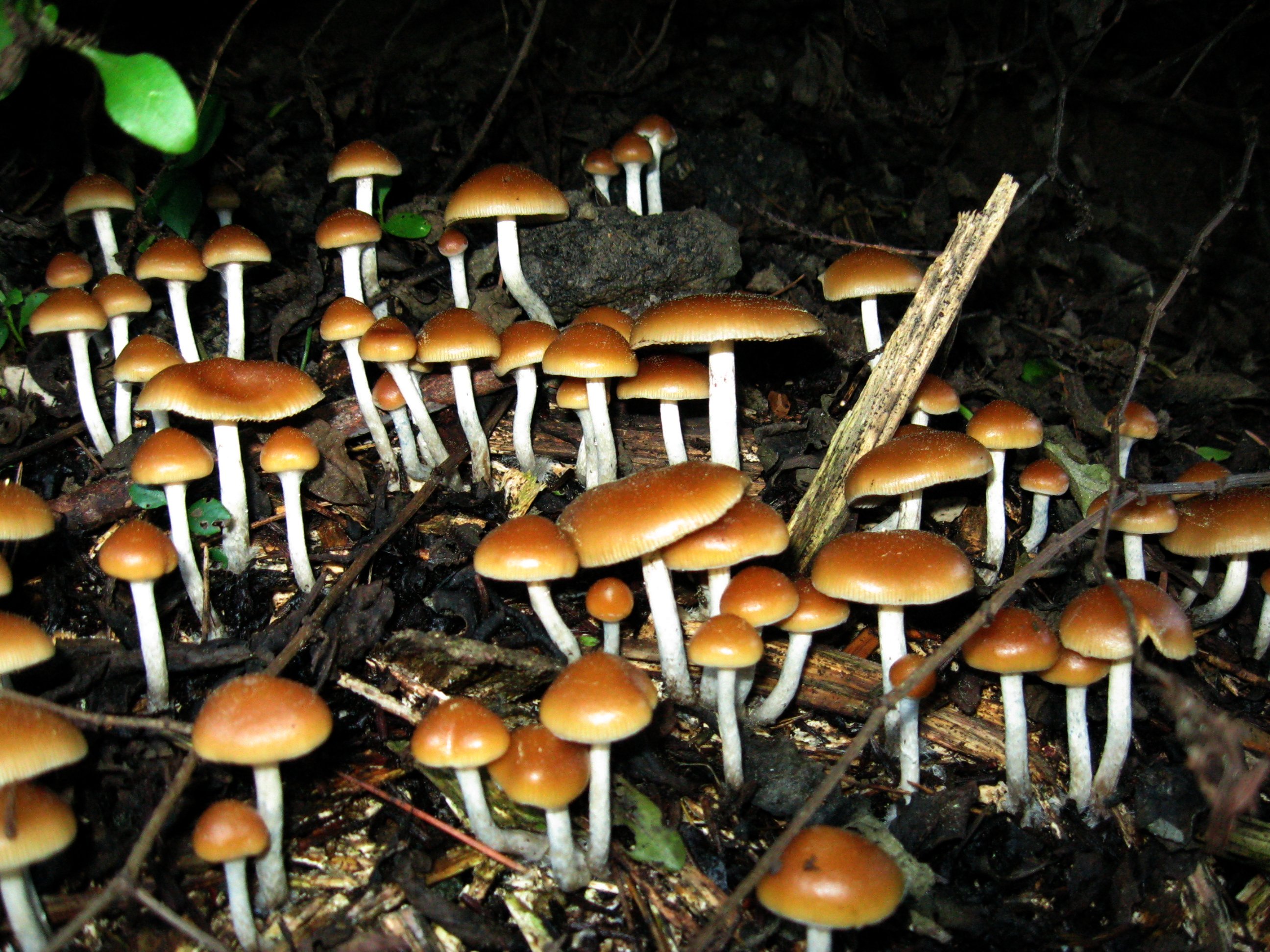
Psilocybin is the active compound in magic mushrooms. Photo via Alan Rockefeller
A new era of prevention and recovery
Although the Johns Hopkins results require larger randomized controlled trials for confirmation, given the small cohort of 12 people in this initial study, they signal a paradigm shift in chronic Lyme care. Beyond therapeutic treatments, hikers can also expect new preventive measures, such as the VLA15 vaccine. The vaccine is currently in Phase 3 development, with significant data on its efficacy expected in the first half of 2026. If approved, it will be the first human Lyme vaccine available in nearly three decades.
Until these medical advances are widely available, prevention remains the best defense for any hiker. Health officials urge hikers to wear permethrin-treated clothing and perform thorough daily tick checks on all parts of the body. Additionally, staying in the center of the trail helps travelers avoid brushing against vegetation where ticks often seek hosts.
Cover Composite Image: Colleen Goldhorn (left); Alan Rockefeller (good)
This website contains affiliate links, which means The Trek may receive a percentage of any products or services you purchase using links in articles or advertisements. The buyer pays the same price they would otherwise pay, and their purchase helps support The Trek’s ongoing goal of bringing you quality backpacking information and advice. Thank you for your support!
For more information, visit the About page of this site.

:max_bytes(150000):strip_icc():format(jpeg)/Ashley-Flynn-Caleb-Flynn-030226-9a9e5389b89c49bea72953481978bbe4.jpg?w=238&resize=238,178&ssl=1 "Bodycam revela que el alumno de American Idol llora y vomita después de que su esposa fuera asesinada en un presunto robo")
:max_bytes(150000):strip_icc():format(jpeg)/jack-schlossberg-sarah-pigeon-psul-anthony-kelly-030226-bc3d27b32f7e4da780d113caafabd15f.jpg?w=238&resize=238,178&ssl=1 "Jack Schlossberg califica de “grotesca” la interpretación de la familia Kennedy en “Love Story”")

