

Week 1: Wissembourg to Saverne
Greetings from the trail and welcome to my blog!
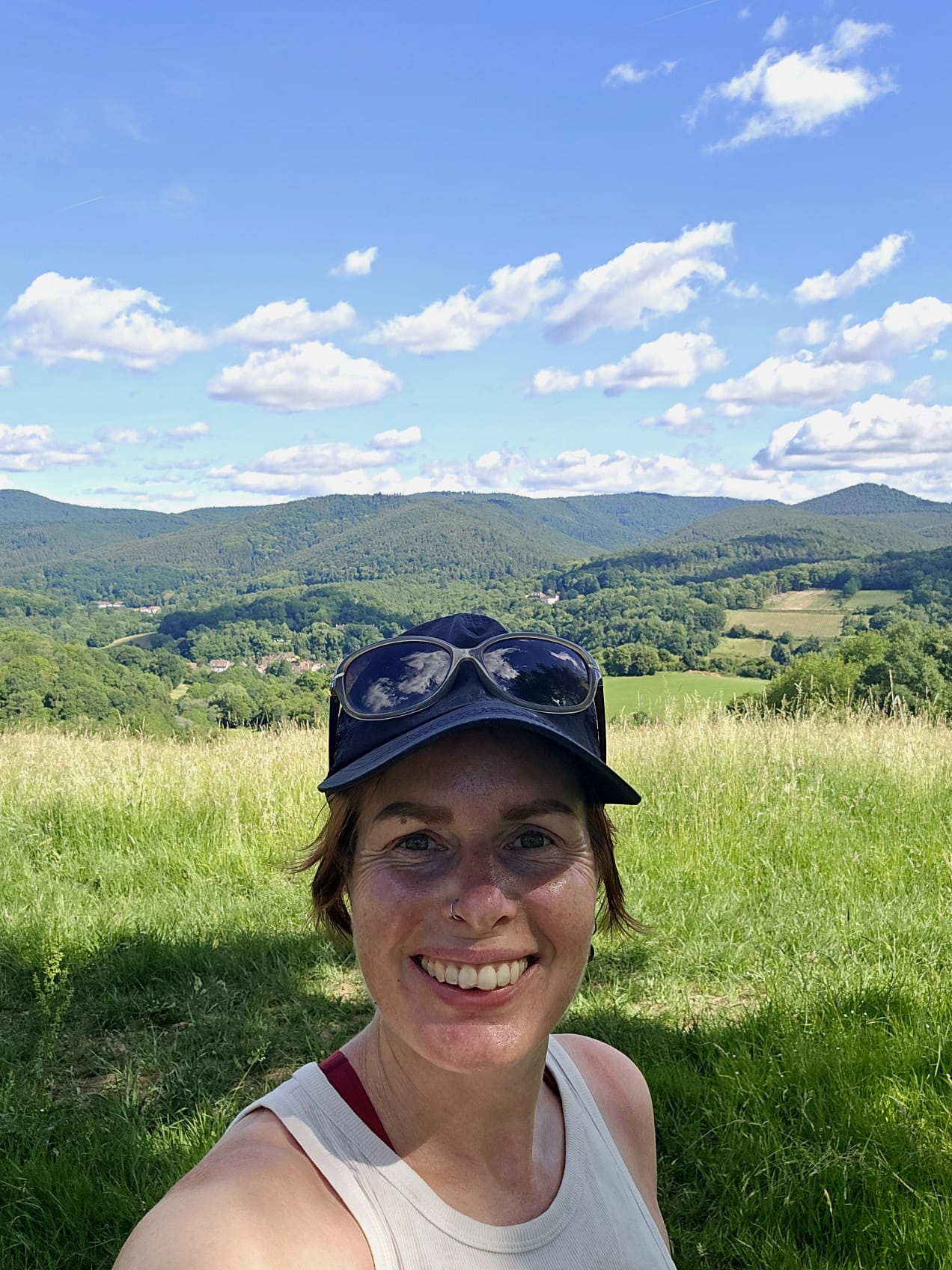
For those of you who haven’t read my previous posts, I’m Lucy from the UK.
I am 45 years old and have a fairly complex chronic medical history. I have ME/CFS, PoTS, EDS, MCAS, asthma, and epilepsy (plus perimenopause, for good measure!).
I manage my conditions well on a day-to-day basis and my goal is to continue doing what I love as long as I can. That doesn’t mean I’m not free of pain or fatigue, but I refuse to stop living.
I am at my happiest and healthiest on the trail, surrounded by nature and far from modern life. This blog is about my journey on the Hexatrek (Stage 1), but it will be an honest reflection. Not just the highlights that appear on Instagram, but also the raw, sometimes ugly and often painful reality of walking with a chronic illness.
Leaving
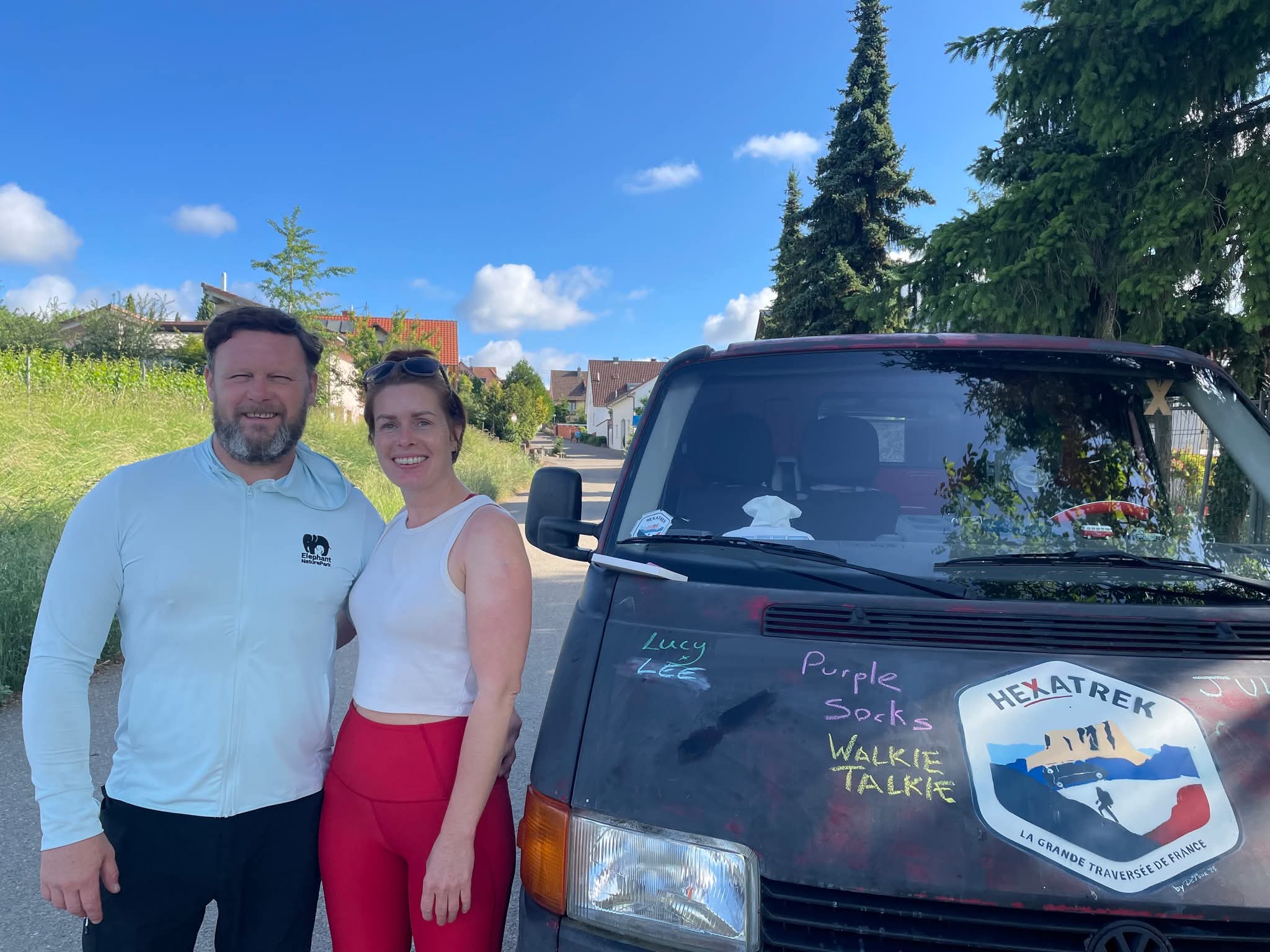
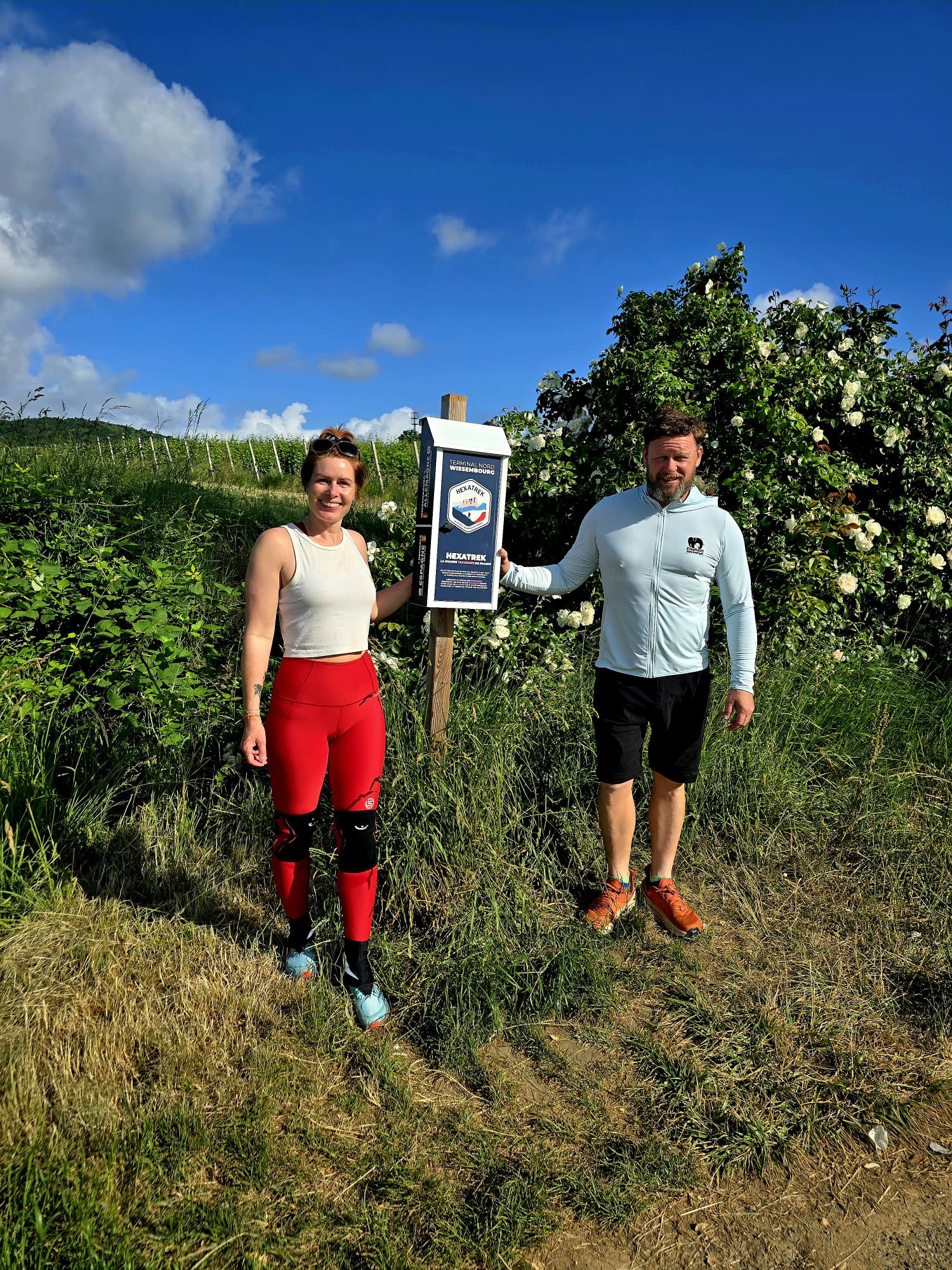
After months of planning, we finally arrived in Strasbourg before heading to Wissembourg, the official start of the Hexatrek.
The excitement was building as we met other hikers, signed the trail register, and took our first steps north toward the Vosges. The weather couldn’t have been better and it felt surreal to finally begin a trip that had occupied so much of our thoughts for so long.
One thing I had done before even setting foot on the trail was pre-book rest days in key cities.
For many hikers, rest days are an optional luxury. For me they are essential. With my medical conditions, proper recovery is important. I need opportunities to sleep in a real bed, shower properly, cook nutritious meals, and give my body time to recover. We also need to recharge our batteries in every sense of the word: our personal batteries and our increasingly essential powerbanks.
Those planned breaks give me the confidence to keep moving between cities.
The reality of the first days
The first few days of any hike are always an adjustment.
You spend months dreaming about hiking through beautiful forests and mountain landscapes, but the reality is that your body has to remember how to carry a heavy backpack all day.
During those first few days, it felt like no amount of forest bathing could offset the weight of the backpack as we climbed uphill. Each slope seemed steeper than expected, each descent punished different muscles, and my body wondered out loud what the hell I was doing.
My right knee decided to make its sensations known almost immediately. My shoulders were not far behind. There were times when physical discomfort threatened to overshadow the beauty around me.
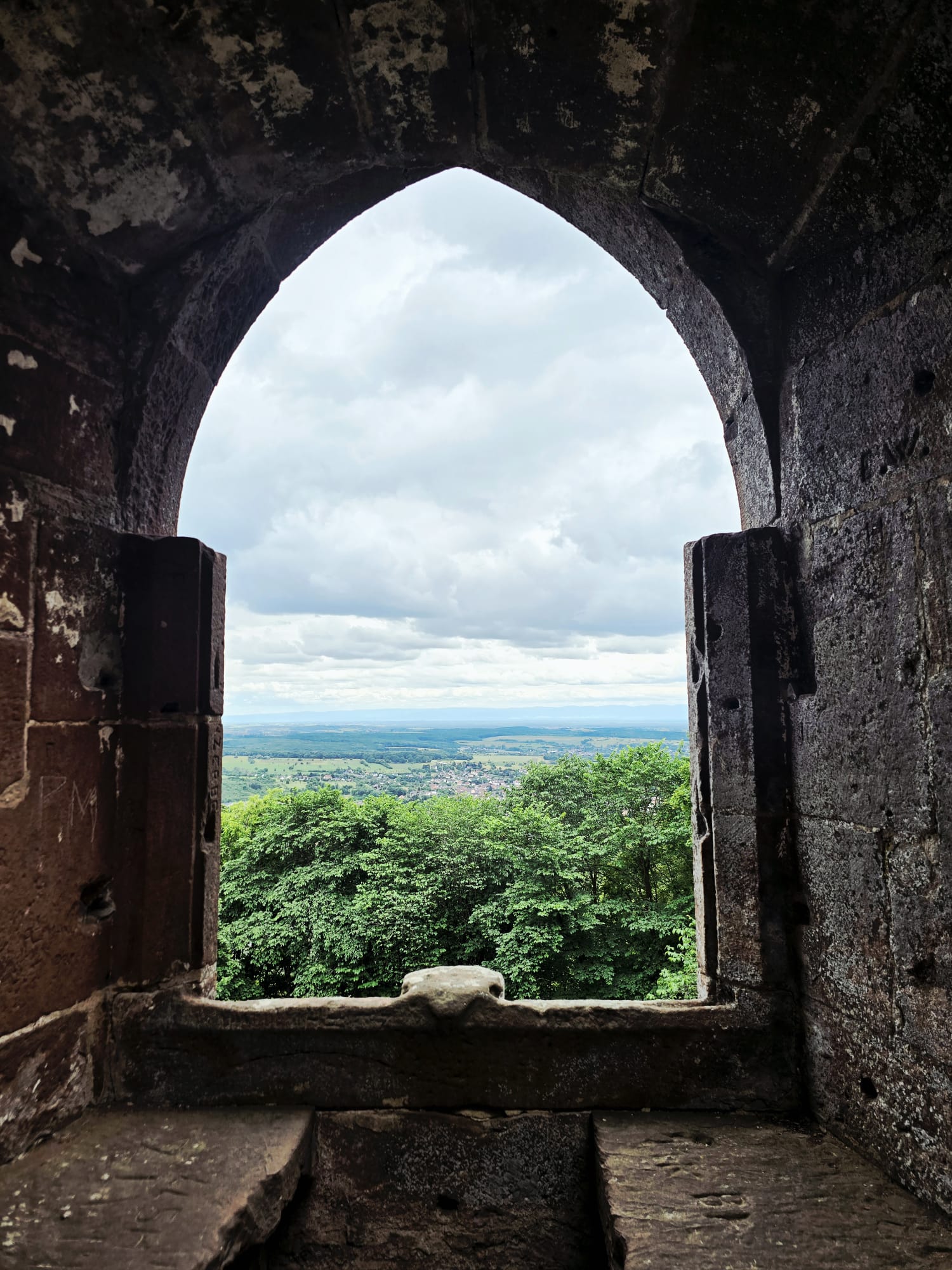
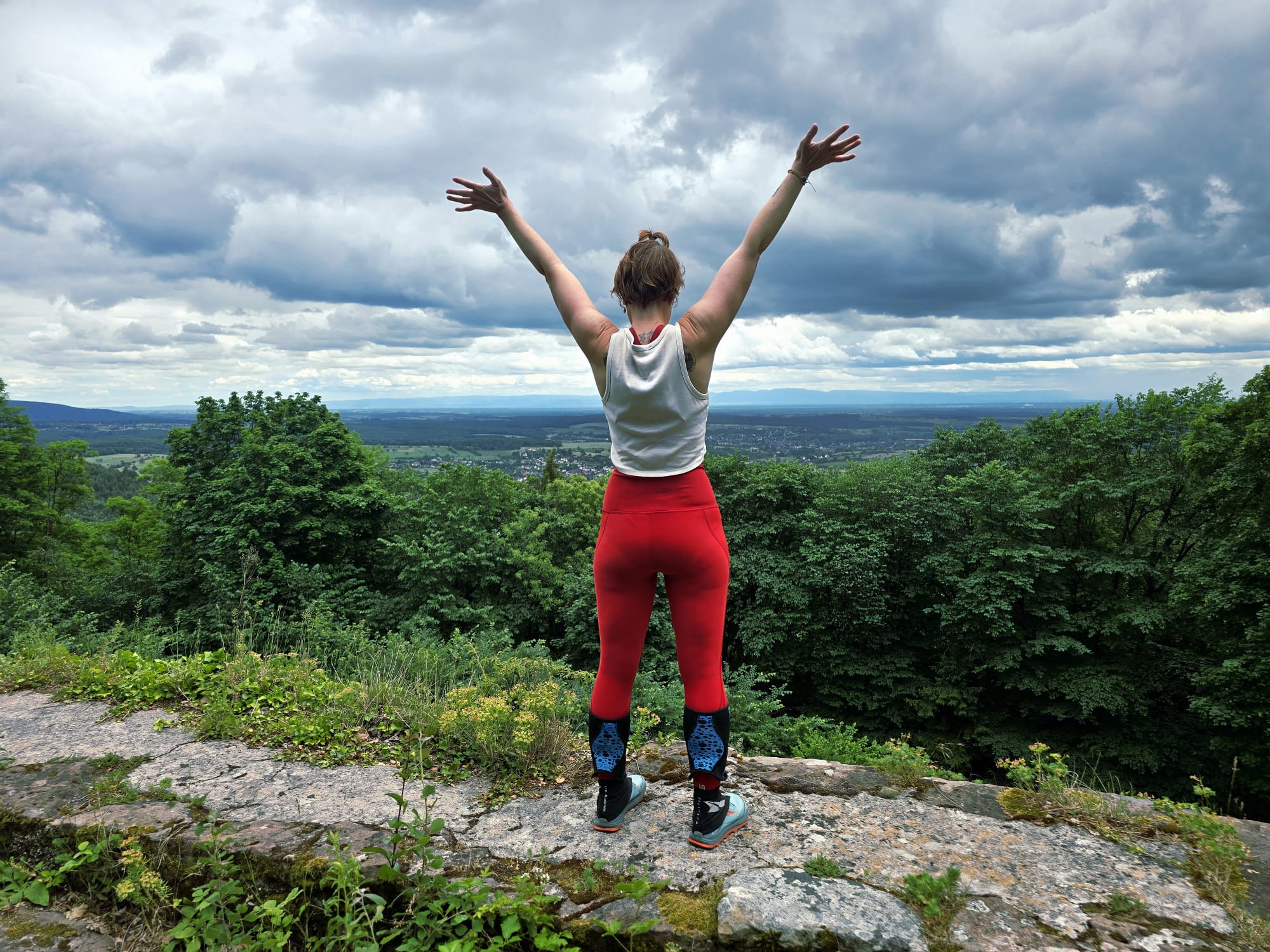
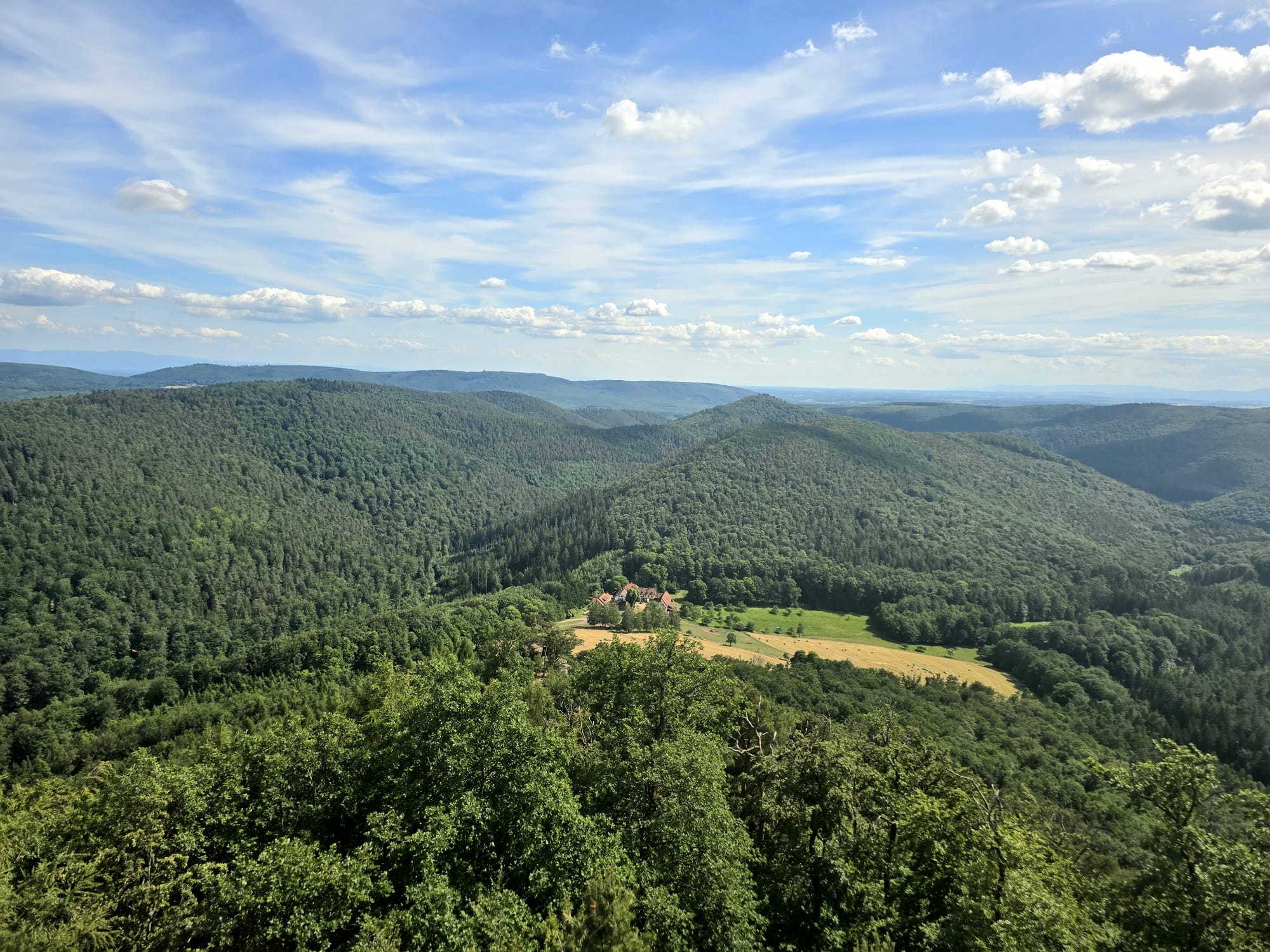
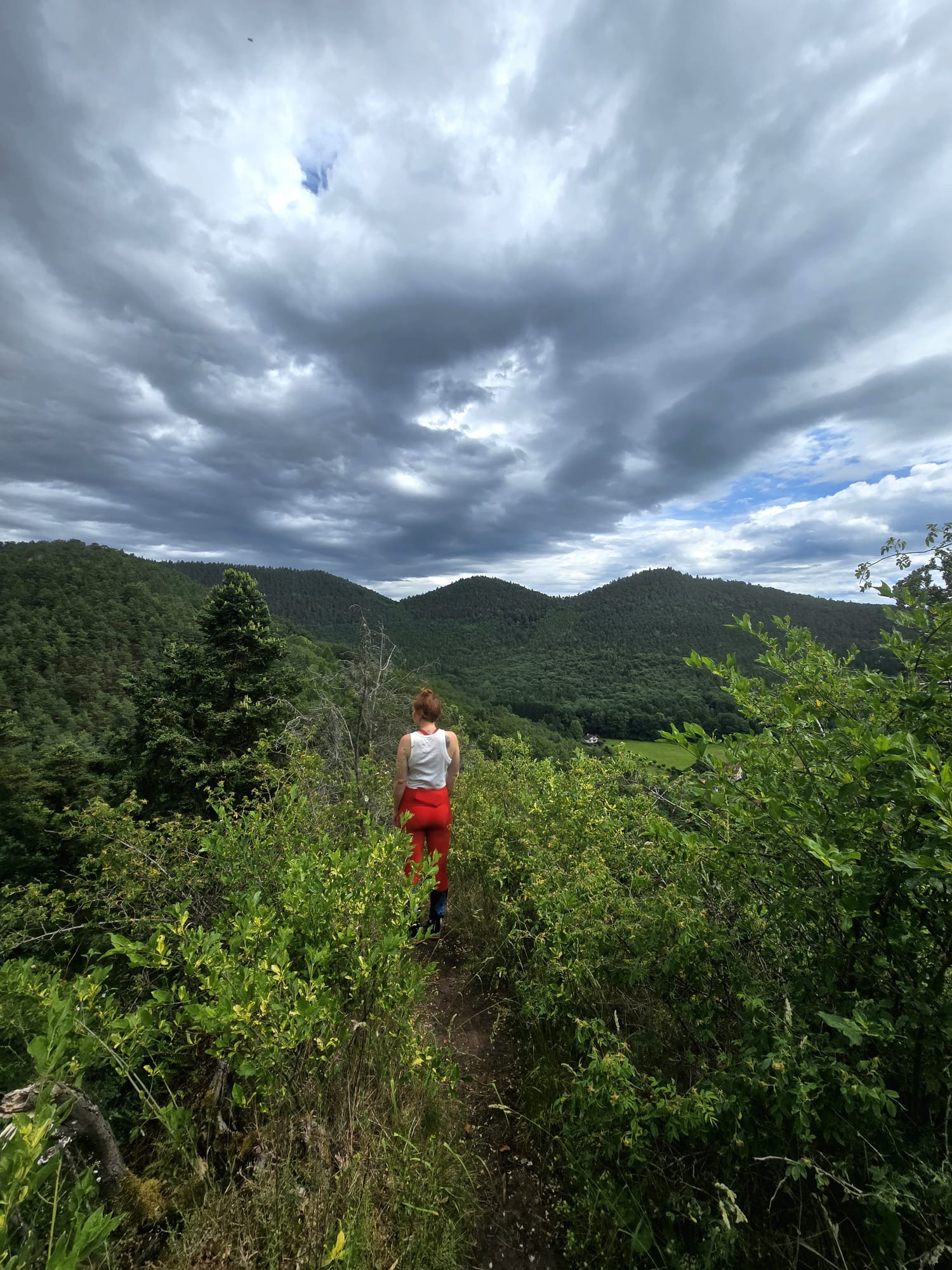
However, every time I climb a hill and start to question my life choices, all those thoughts disappear the moment I reach the top and see the view.
It is a cycle that repeats itself countless times each day.
Luckily, by day 4 we finally felt like we had our legs back. We were constantly walking beyond our planned stopping points and even ahead of schedule. The hills hadn’t gotten smaller, but our bodies had begun to adapt.
Take care of me on the road
Managing chronic illnesses while hiking requires constant attention.
One thing that seems to be helping is my Skins compression tights. They seem to be doing a good job of maintaining my blood pressure, especially when combined with daily electrolytes. PoTS can make long days of climbing and descending particularly challenging, so every little advantage helps.
I’m also learning to listen carefully to my body. Some discomfort is inevitable on a long-distance trail, but there’s a balance between keeping going and knowing when recovery should come first.
It’s an ongoing experiment, adjusting and adapting as I go.
Potty Training in Wildlife and on Trails
A topic that rarely appears on social media is bathroom use. It’s not glamorous at all, but it’s a reality to spend weeks living outdoors.
We’ve been using a small bidet attachment that fits in a standard water bottle, along with a drying cloth. The fabric is washed during our regular laundry stops and the entire system works extremely well.
I loved the bidet hoses we found while traveling through Asia, and using this little setup on the road reminded me why. It is light, hygienic and surprisingly effective.
Sometimes the least glamorous solutions turn out to be the best.
Appreciating simplicity
Camping has a wonderful way of changing your perspective.
It makes you appreciate home and the ease with which we normally access everything. Running water, a comfortable chair, a refrigerator full of food, a suitable bed and a roof over your head suddenly seem like extraordinary luxuries.
At the same time, it also reminds you how little you really need. Day after day, everything I need is on my back. Shelter, clothing, food, water and a handful of comforts.
Life becomes wonderfully simple:
Walk. Eat. Drink. Sleep. Repeat.
Until now…
The route has generally been well signposted, although it is not always as easy as we expected. There are few Hexatrek walkers, as the route follows pre-existing trails. There are so many hiking trails in France, often intersecting, that the path is not always clear, and the Hexatrek app quickly became our best friend! We were very grateful to find helpful «HT» Sharpie markings on some signs where previous hikers had clearly attempted to help future hikers stay on the route.
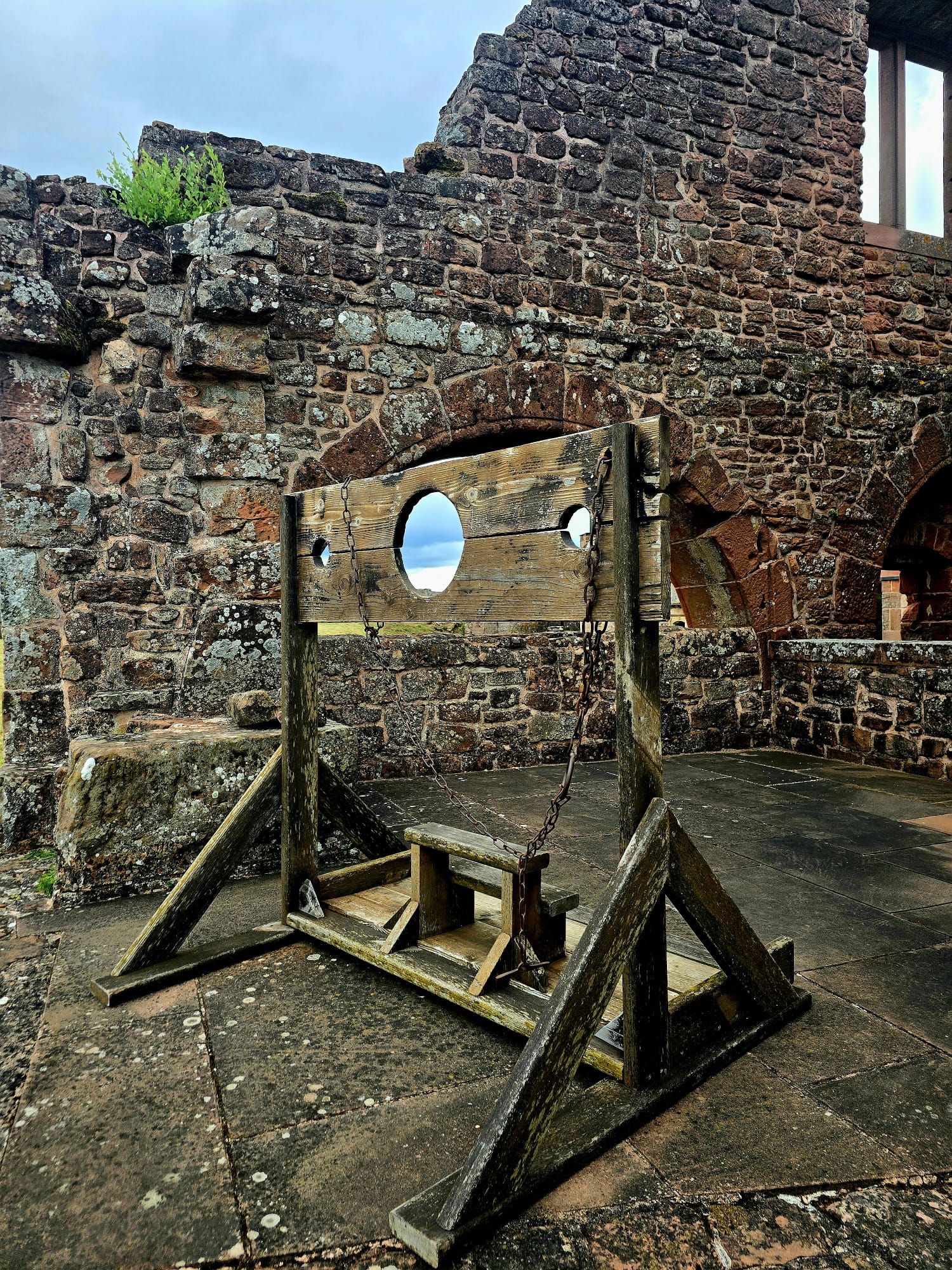
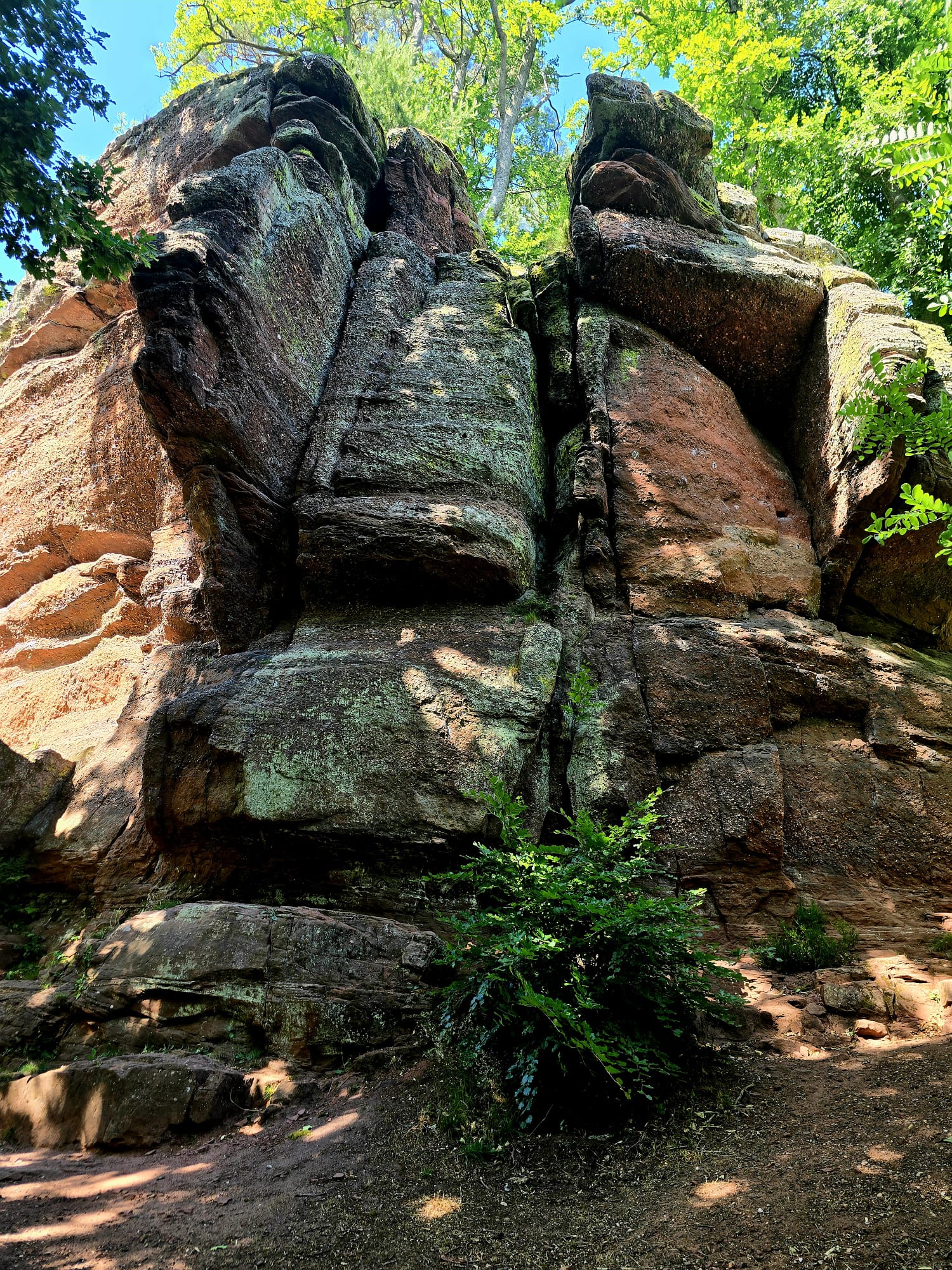
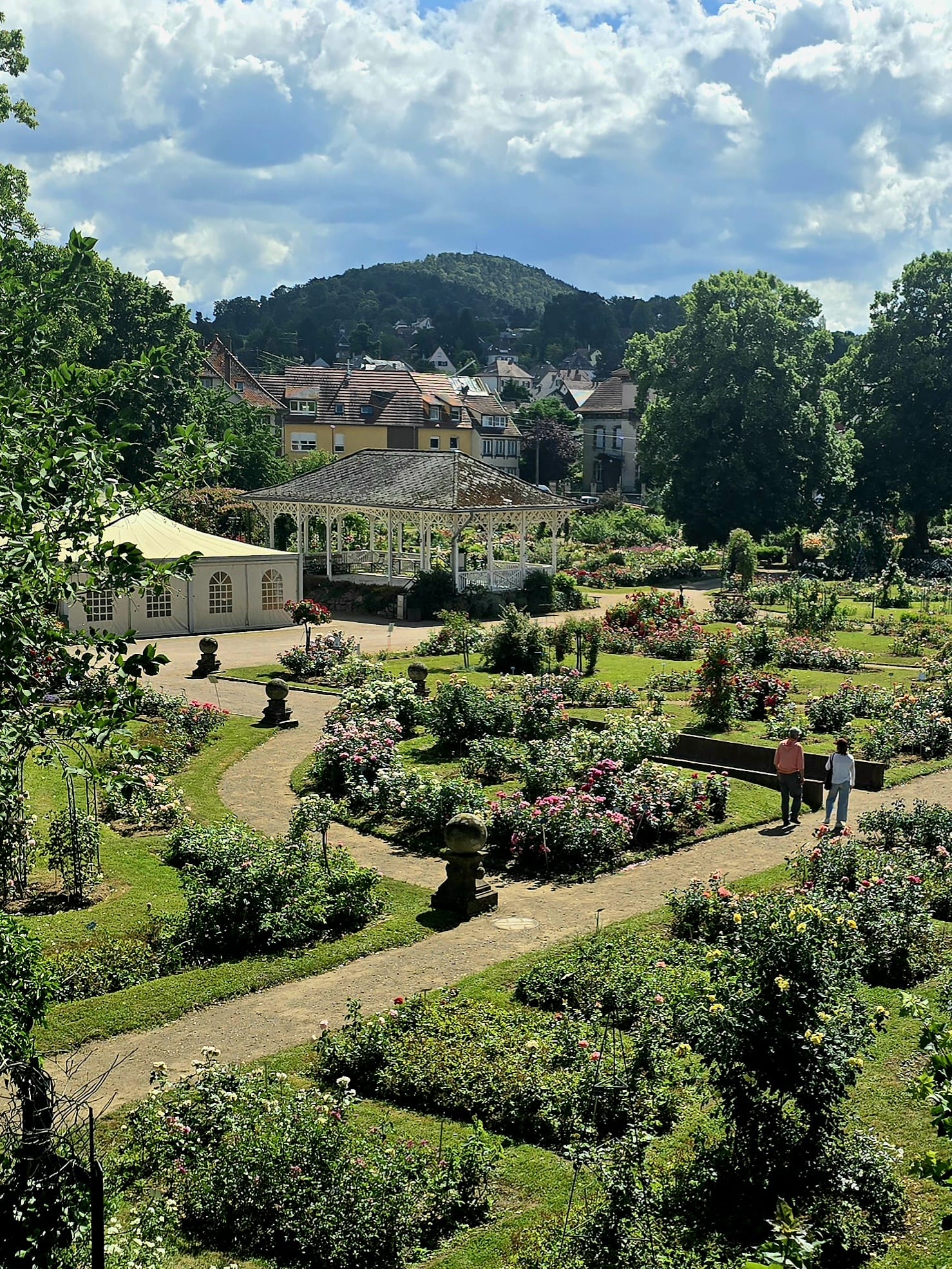
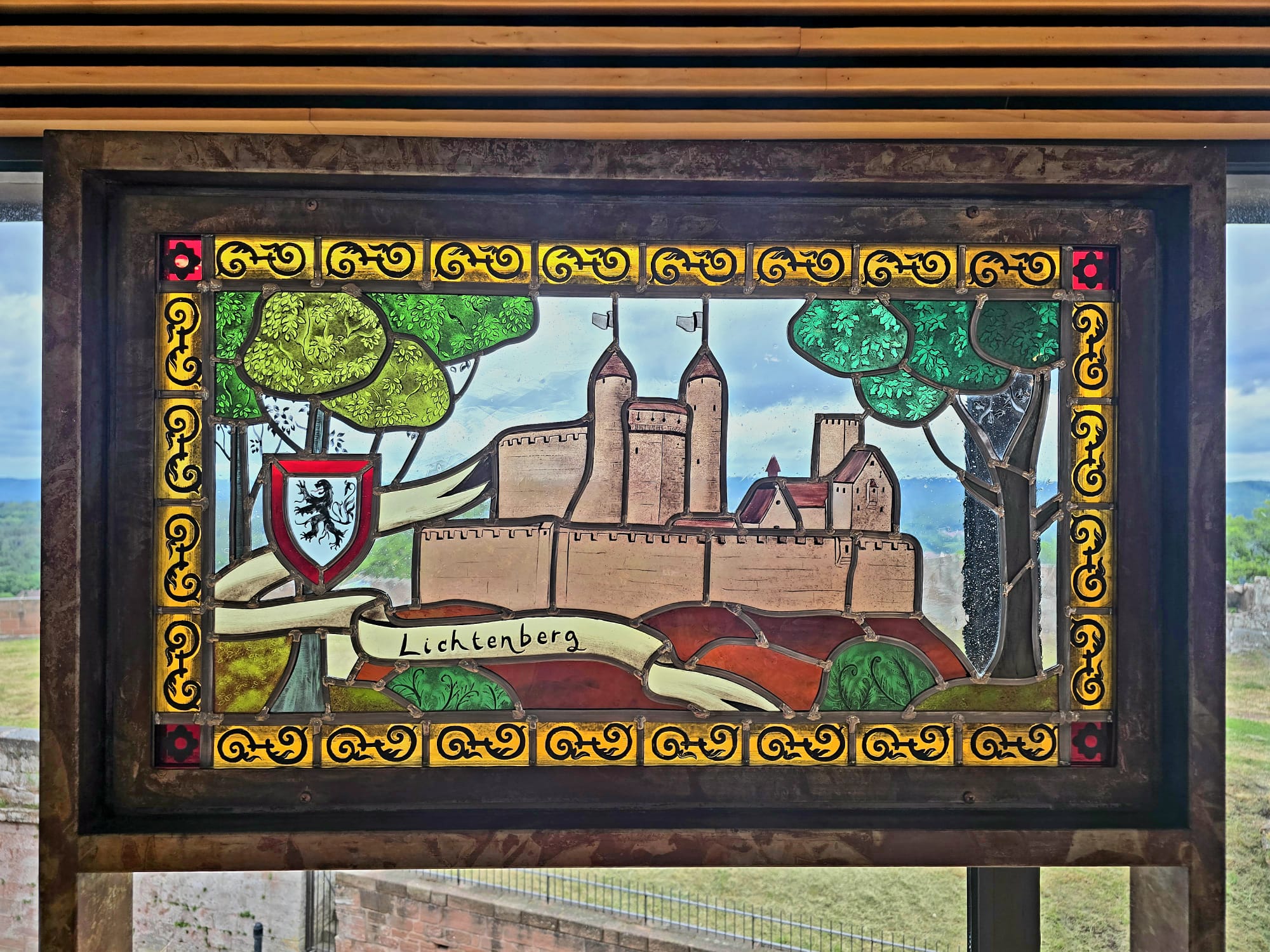
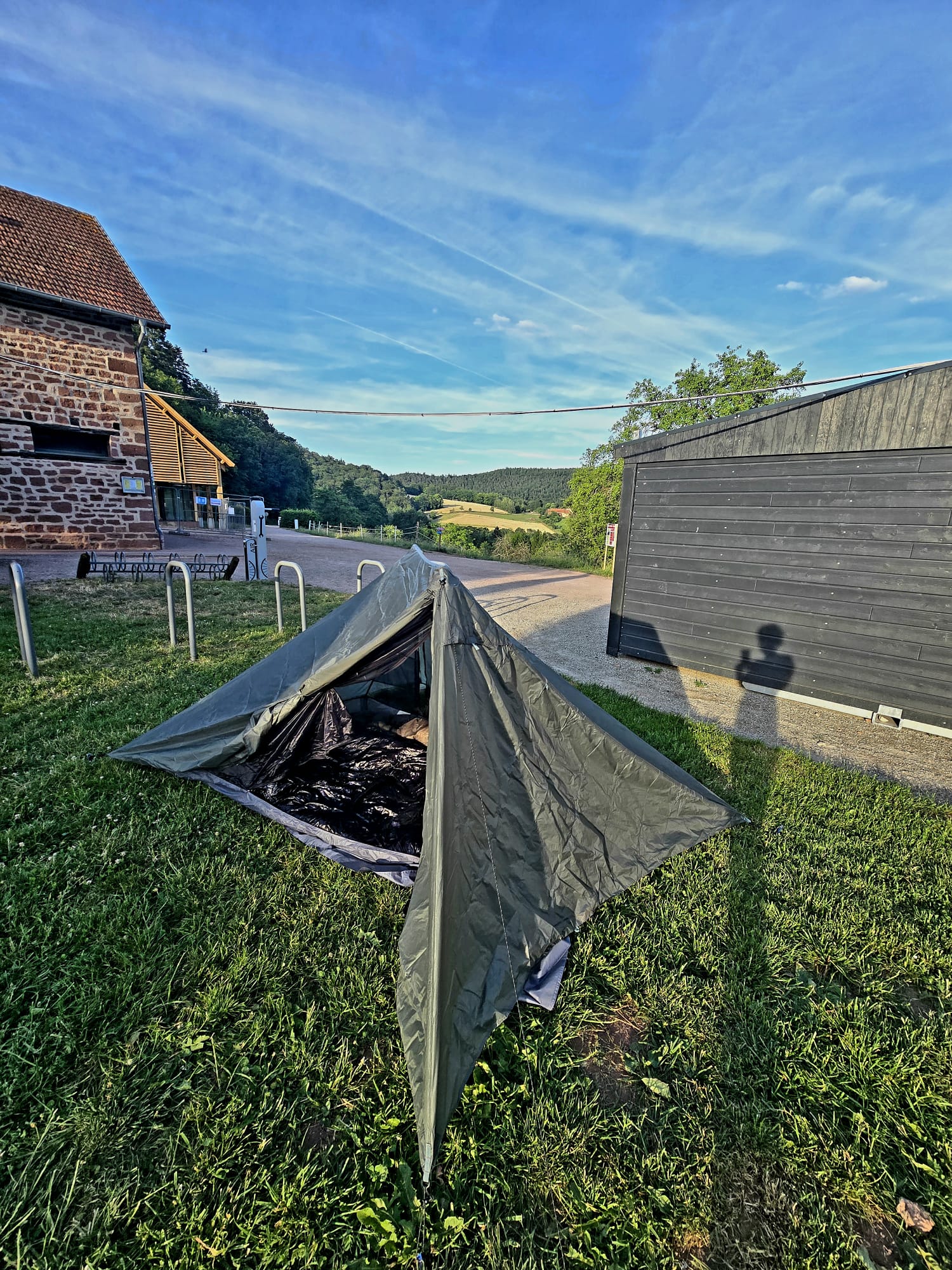
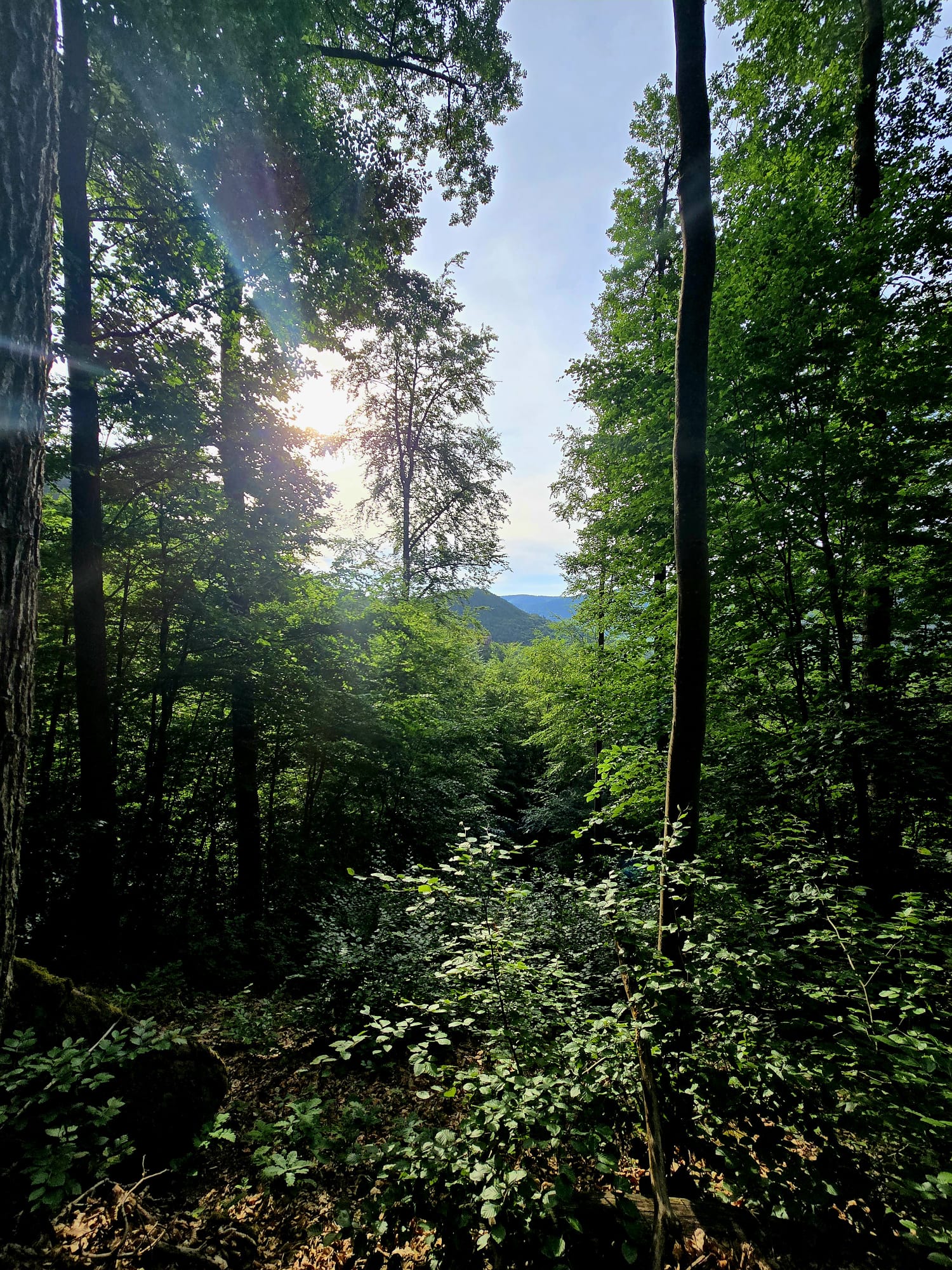
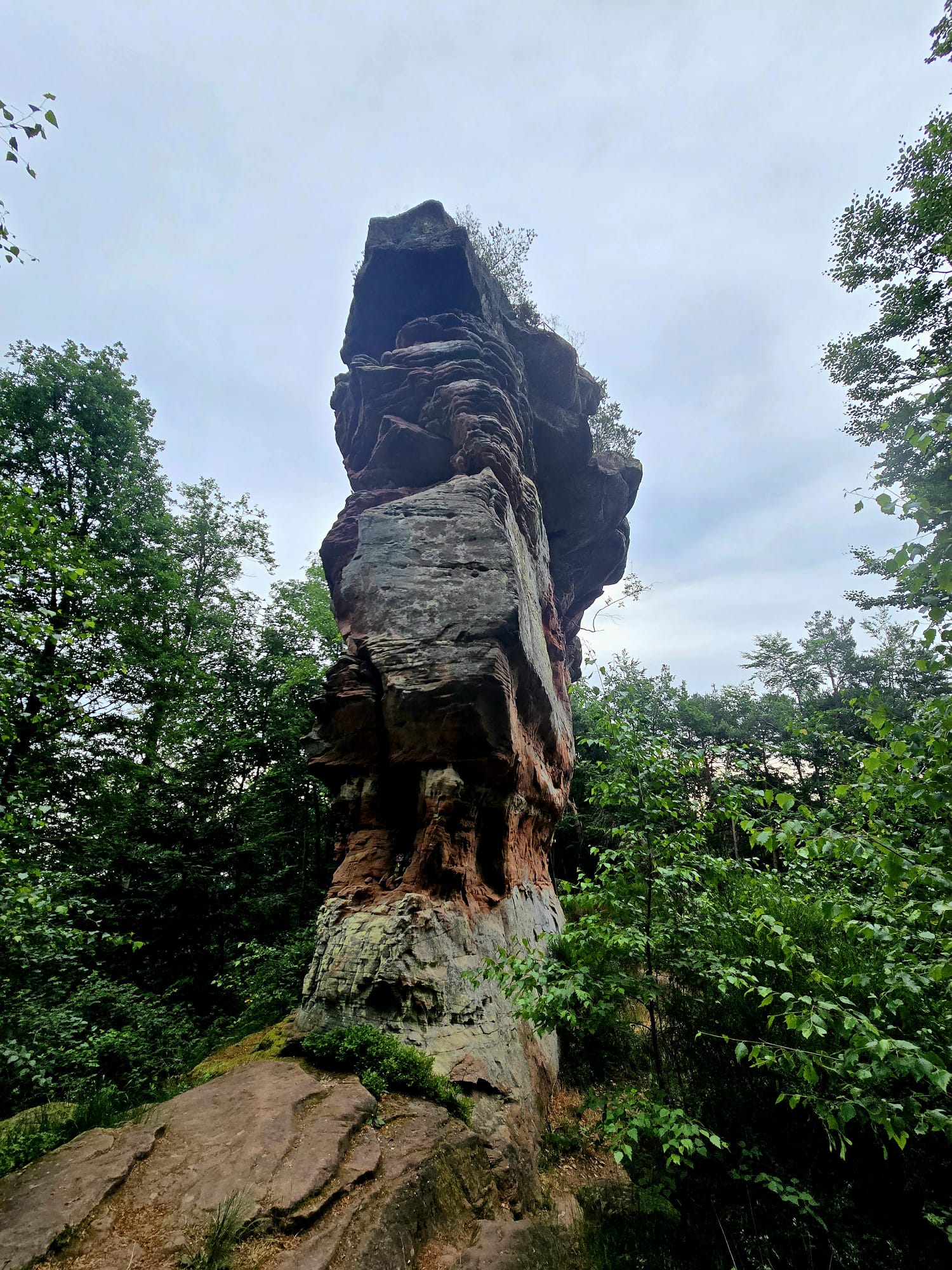
The Hexatrek has already provided challenging climbs, sore joints, incredible viewpoints, ancient castles, beautiful forests, wild campsites and moments of frustration and joy.
Some days have felt harder than expected. Others have exceeded all expectations.
That’s hiking.
It is rarely comfortable. It is often exhausting. Sometimes it’s painful. But standing on a mountain ridge, looking out over endless forests with everything you need at your back, it’s hard to imagine anywhere else you’d rather be.
Thanks for following my journey.
You can see more photos and day-to-day updates on my Instagram profile, where I’ll continue to share trail highlights while this blog captures a little more of the reality behind them.
Until next time, greetings from the Hexatrek.





:max_bytes(150000):strip_icc():format(jpeg)/twins-graduating-060226-e8e81102fd6943c0a1baaaf304434e36.jpg?w=100&resize=100,75&ssl=1 "Cinco pares de gemelos se acaban de graduar juntos de la misma escuela secundaria de un pequeño pueblo")
