

Hello, my name is Tom Y, and this year I will be hiking* the Continental Divide Trail and sharing my journey with you on The Trek. In this post I will explain some of my motivations for undertaking this trip, how I got into hiking, and share the guidelines for this trip.
So why do I plan to spend 6 months walking around the US, instead of lying on a beach somewhere warm and drinking cocktails? I have tried to summarize my varied motivations into three main reasons:
1: I really like long distance hiking.
I love it. There is something about moving through landscapes under your own power that results in an intimate travel experience. The world opens. I first discovered this when I started cycle touring during the pandemic. I spent a few years doing short trips of weeks to a fortnight and, despite sometimes cycling in the rain all day or being eaten alive by mosquitoes in Scotland, I kept coming back to it.
My bike at Loch Shiel towards the end of a cycling tour of Scotland
In Spring 2023, I chained together 5 of the UK’s long distance trails in a 3 month trip across the south of the country (combining the Greater Ridgeway and the South West Coast Path). At this point I was feeling the beginnings of burnout and reading too many books about other people’s adventures, which led me to throw myself into the deep end. When I got off the bus in the small town that was the starting point I wondered what the hell I was doing. Those next three months were a real adventure. There were good days and not so good days. Beautiful sunrises, lush forests, and acts of kindness from strangers. Blisters, all-day rain, and sketchy wild camping.
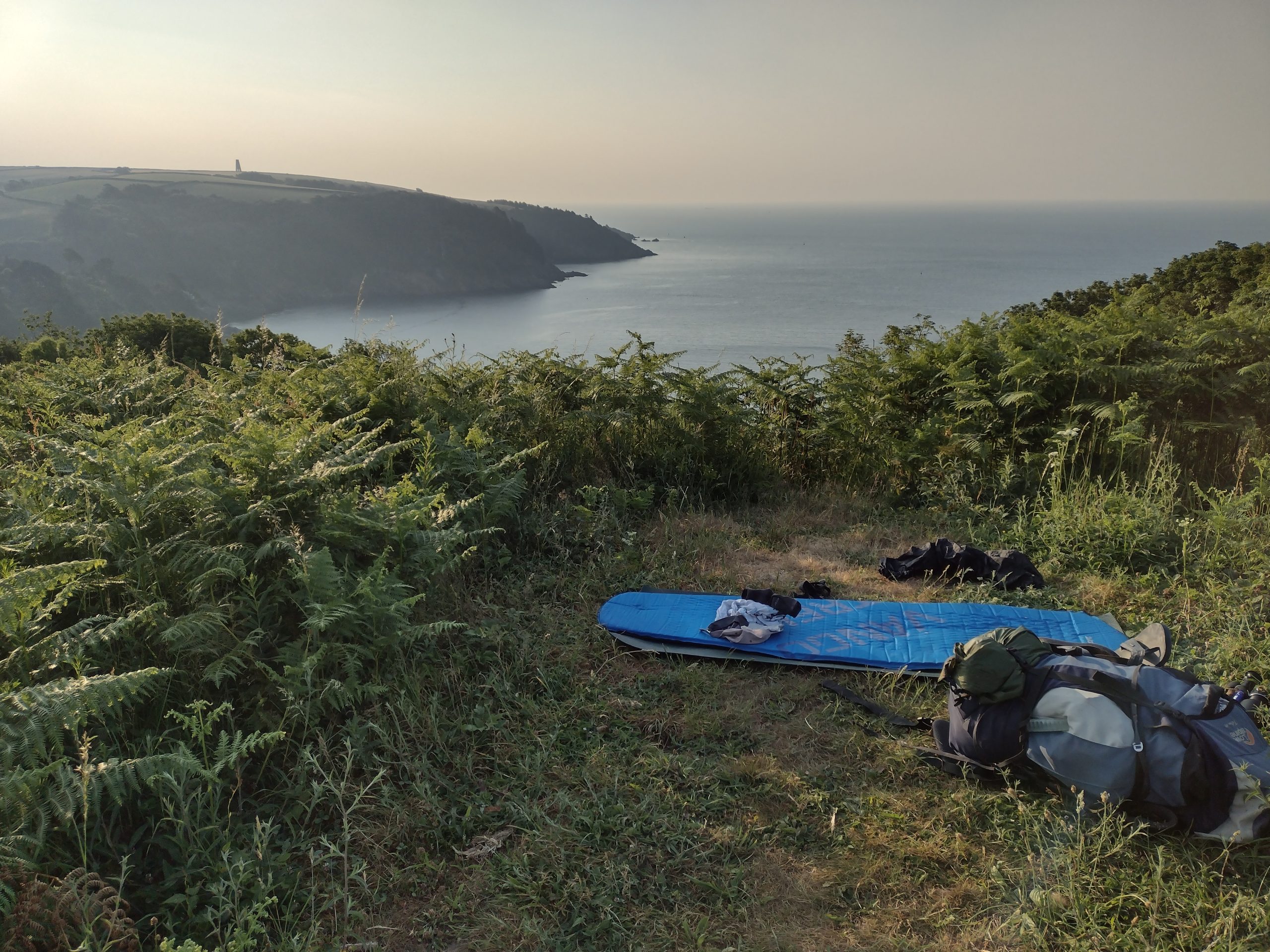
Cowboy camp at the SWCP.
I discovered that what originally attracted me to cycle touring was there, but was amplified when I walked. A knowledge of the landscape that becomes even more intimate thanks to a slower pace. The satisfaction of constantly accumulating miles and seeing yourself progress on a map. When I finished I knew this was something I wanted to do more of. Since starting that first walk, I have covered around 2,500 miles on foot, including routes such as The Cape Wrath Trail, Kungsleden and several of England’s national trails.
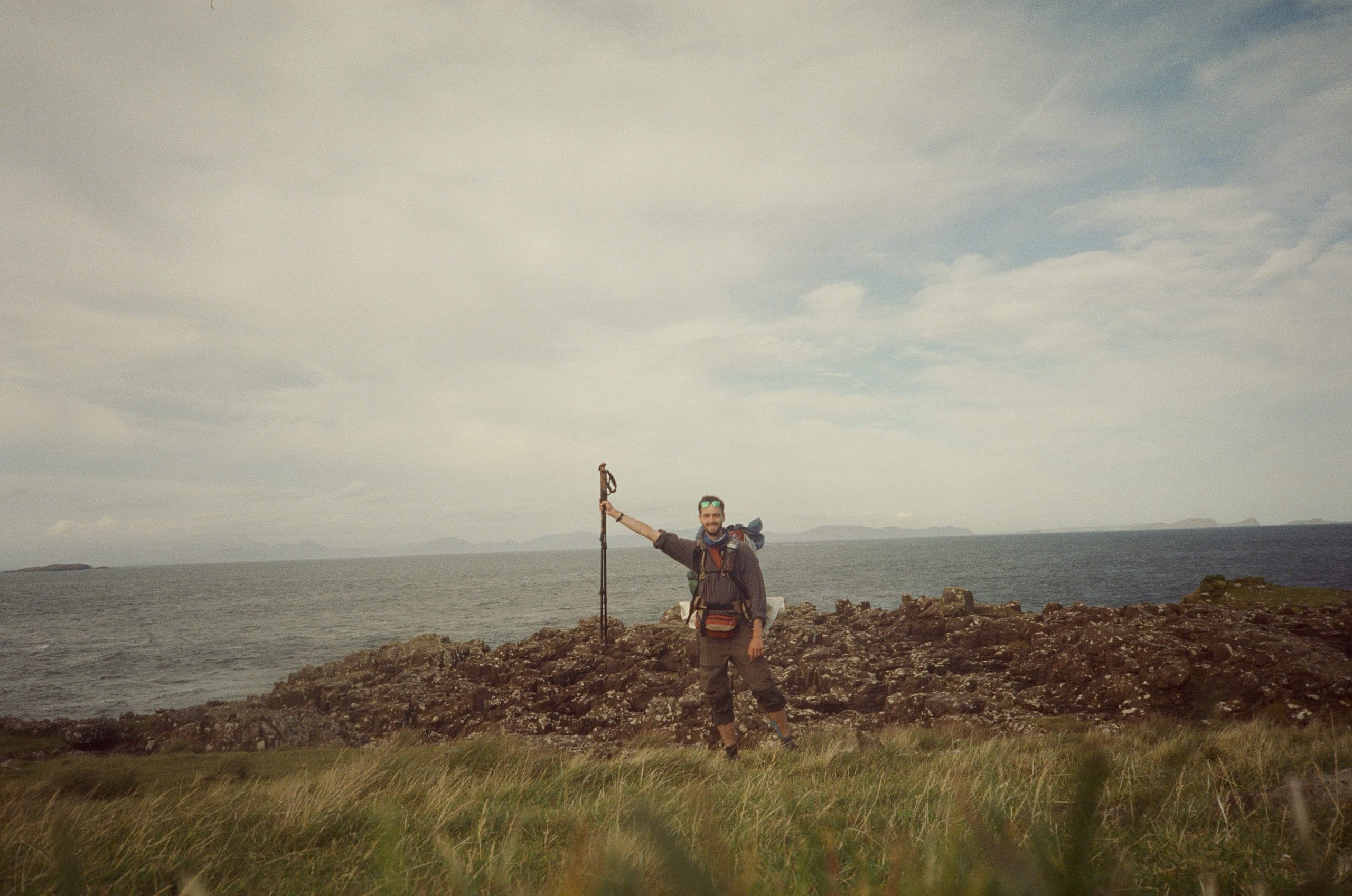
Me on the northern tip of the Isle of Skye at the end of one of my most recent long walks. I chained 4 trails to go from the hill of the River Spey to the top of Skye.
2: It is beautiful and remote.
The CDT runs through a wide variety of some of the most stunning landscapes in the United States. I think this section of the original trail study report, which can be found on the CDTC website, sums it up well:
“The trail experience on or near the Divide is intimate, as one can walk or ride a horse through vast fields of wildflowers and contemplate a history that dates back to the dawn of earth’s history. This story began when a portion of the land was pushed upward, creating craggy, rugged peaks that were sculpted into rich landforms leaving behind shimmering lakes, crystal clear streams, and countless waterfalls. Along the way, the tranquility of the alpine meadows, the green forests and the semi-desert landscape overcomes everyone who passes by.«
Those words conjure up some pretty surprising scenes in my mind. The CDT has the classic rugged mountain scenery of places like Glacier and the Wind River Range, the big skies of The Basin, long ridges, and broader views of the Idaho border. I’m also quite intrigued by New Mexico, as I’ve been fascinated by deserts for a long time.
The flip side to all this beauty is that the CDT is one of the most remote trails. Large wilderness areas mean long distances between cities and more loneliness. For me this is a draw (maybe I won’t think about this when I walk into Bob’s with a week’s worth of food on my back). I’ve found that being outdoors for long periods of time does something subtle to my mental space. There is space for thoughts and emotions that are difficult to put into words but feel very valuable. You feel smaller, not insignificant, but adequately adapted to the world. As someone who grew up and spent much of my life in a big city (London), I find these experiences increasingly valuable.
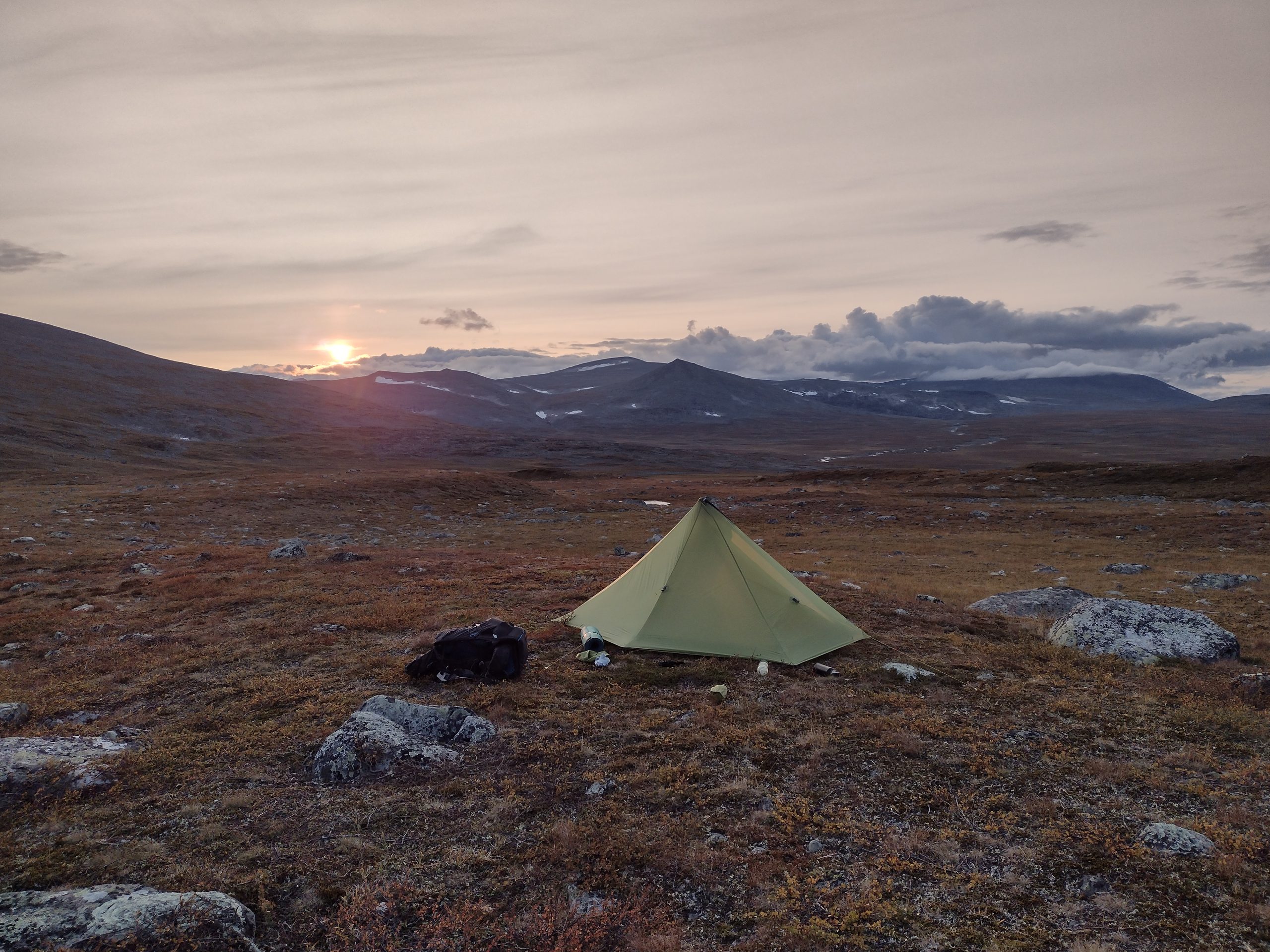
A remote campsite in Kungsleden. Beautiful but very cold!
3: It’s going to be a real challenge.
Possibly one of the hardest things I have ever attempted in my life. I can see that I am going to be tested in all kinds of ways, both physically and mentally. Heat, cold, wind, rain. Long transports of water and food. Long climbs over rugged terrain. Lots of risks and things that will worry my family (sorry mom!). From what I understand of the path, qualities like patience, flexibility, and humility will be just as key to success as strength, endurance, and determination.
While finishing a long run can definitely be an ego boost, for me the valuable part of the experience is not the feeling of having accomplished something, but what the process has revealed to you about yourself. Moments when you step out of your comfort zone and beyond what you thought possible, a start to finding where your true limits are. The CDT is going to be tough. Maybe it is beyond me and in doing so I will find my limit. I think the attempt will be worth it whatever the result.
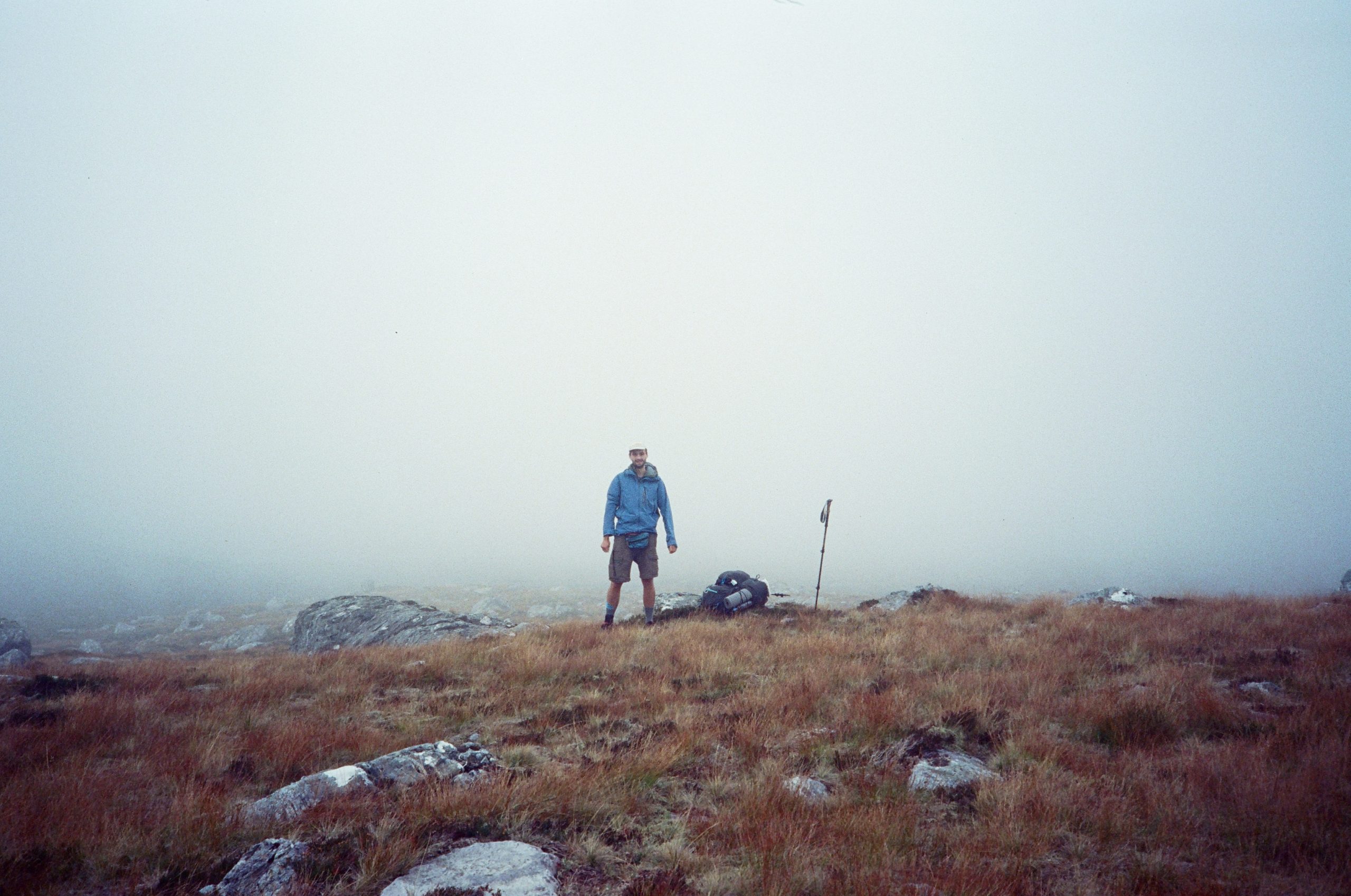
Selfie with film camera halfway along the Cape Wrath Trail. He has a lot of off-piste trips. I spent the next 3 hours slowly navigating through scree and swamps with almost zero visibility until I rejoined a trail.
My approach to CDT
I think there are as many ways to approach a hike as there are people. In addressing this, I have put together some guidelines to shape the type of experience I would like to have.
1: *I’m not a redline purist. That’s why I describe this as a hike along the CDT, rather than a hike along the CDT. Almost all alternatives are fair game. Since hiking the Cape Wrath Trail, I have been on trails with multiple alternatives.
2: I would like to try to maintain a continuous set of steps between Canada and Mexico. There is a good chance that you will encounter fires and other trail closures that do not make this possible.
3: Walk my own walk. 3000 miles is a long way. I have a feeling that being consistent and listening to my body will be more helpful than starting out and trying to instantly succeed on the big days. I tried to do that before and got injured. So for starters, I’m going to limit the miles a bit, get back into the rhythm of hiking, and just enjoy the experience.
They say that no plan survives contact with reality, and the same goes for these guidelines. In keeping with the flexibility theme, if they aren’t working and need to change, they will change.
Why SOBO?
I like to head towards the sun. Something about it just feels right.
This website contains affiliate links, which means The Trek may receive a percentage of any products or services you purchase using links in articles or advertisements. The buyer pays the same price they would otherwise pay, and their purchase helps support The Trek’s ongoing goal of bringing you quality backpacking information and advice. Thank you for your support!
For more information, visit the About page of this site.