

Jet lag. It’s not amazing. Last night I went to bed at 10pm, 46 hours since I woke up in Auckland. I would surely sleep well. And I did it. Until 2 in the morning. Four sweet, sweet hours of deep, deep sleep. And then…wide awake. Ready to rock. Of course, there were problems with this desire to get up and move on. One, it was dark. Second, it was a 20km bus ride from the trailhead. Three, it was 2 in the morning.
So I lay very still and slowly talked to myself about all the benefits of going back to sleep. At 4 in the morning my body and mind connected and I went back to sleep. Until 5 in the morning. At least it was before dawn and moving didn’t seem so silly.
Leisure through Strat hiking
The middle of summer in this part of the world means first light at 5:30am and sunset shortly after 9:30pm. This massive 16 hour light window allows me a very relaxed approach when it comes to my walking style. I max out at about 8 hours of walking per day and I’m completely fine if the day consists of 6 hours of walking. I think the reason for this is my overall walking speed. At home, when I go to the supermarket I usually go around 6 km/h. On the track this speed drops to about 4-5 km/h depending on the terrain and the slope of the ups and downs.
So 6 hours tends to find me between 24 and 30 km along the trail. For this hike I have decided to start slower than this. I want to ensure a hike free of injuries and errors from overuse. There is no need to look for campsites on this trail due to the bivouac concept.
bivouac
I will participate vigorously and voraciously in what the French call bivouac. The French distinguish between wild camping and bivouacking. Here, the idea of outdoor camping is to set up a shelter for several nights. On the other hand, bivouacking consists of spending only one night, setting up the shelter near sunset and breaking it down shortly after sunrise the next day.
In general, outdoor camping is prohibited in France. On the other hand, bivouacking is legal everywhere. As long as it is public and discreet land, without leaving a trace, you can settle practically anywhere. There are some more important rules in some national parks that I will address in later posts when I come across this bureaucracy.
The walk begins
Of course, I digress. After thanking Via for a fantastic stay in her garden and saying a sad goodbye to Pepite (who didn’t seem all that bothered), I hopped on the bus back to Thonon and arrived at my starting point for the Hexishtrek.
The first few kilometers were a gentle climb out of the city and into the forest. The hike was very easy, with the only real challenge being navigation. France is literally covered in trails. The density of trails is a blessing, of course, as you can wander freely throughout the country. The other side of the coin is that it is very easy to find yourself on the wrong path.
Fortunately my watch saves me from this dilemma. Before the hike, I charged the Hexatrek on my phone and my watch, and now my watch beeps if I go off trail. This saved me many times on the first day of doing extra miles.
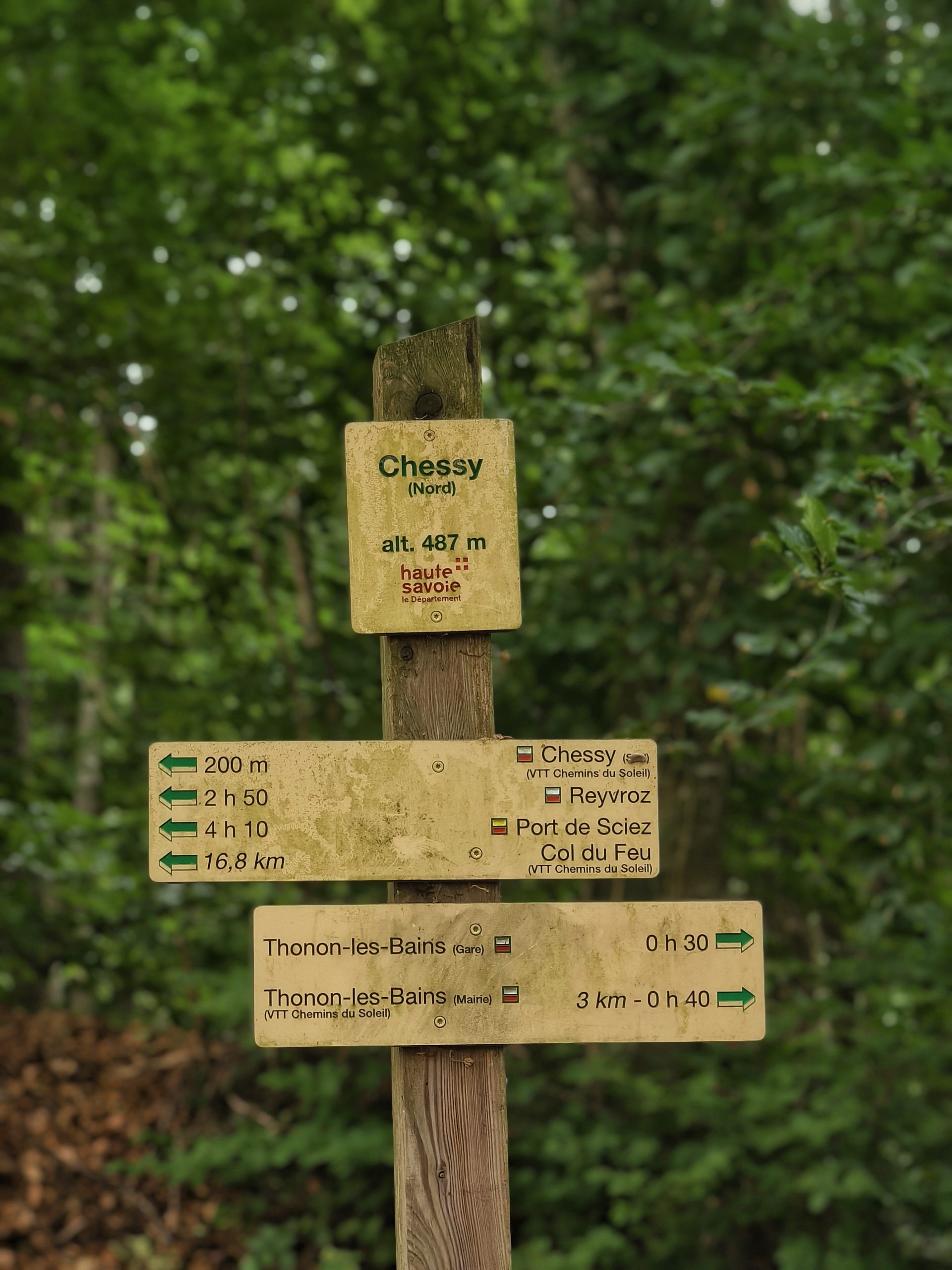
The forest was beautiful, with towering trees and lots of vegetation. There were lots of people doing day hikes and I was able to say one of my few French words, Bonjour, regularly.
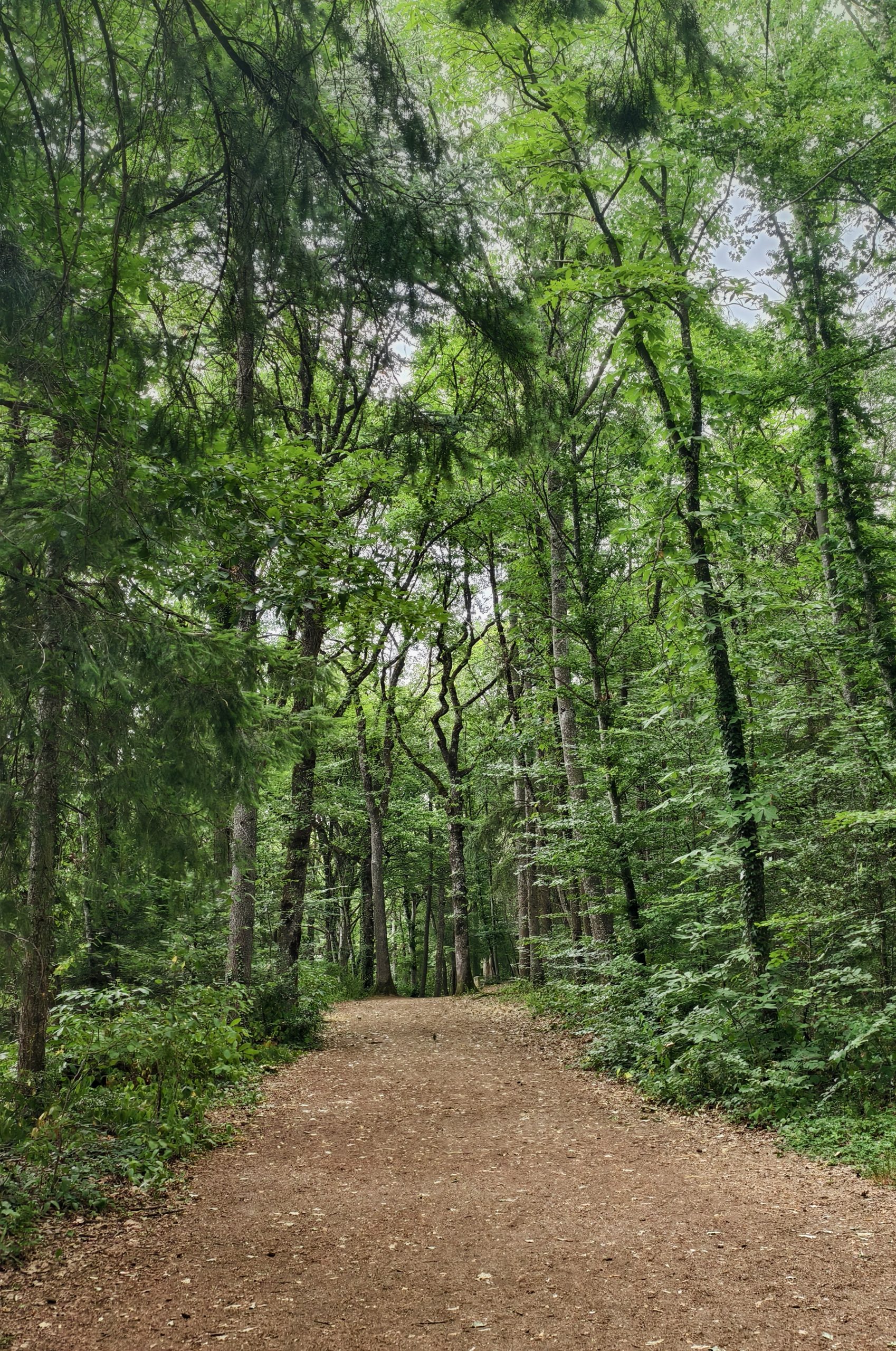
summer storms
I had taken a break in the forest after a couple of hours of hiking. This was a momentous achievement for me, as I generally hate stopping. My commitment to taking the first week easy was at stake.
As I sat and enjoyed the forest, I started hearing thunder. My brain told me to relax and not worry because it sounded very far away and surely it was just a storm in the mountains, not down here in the valley.
My brain, as is often the case, got this one very wrong. The thunder increased in volume and intensity, the sky became night again, and overall, the bright, sunny forest now felt dark and ominous.
Then my brain said, don’t worry, you’re in the forest. The trees will offer you a lot of protection and you will be perfectly fine.
Once again, the brain failed. Rain fell through the trees as thunder and lightning crashed and rumbled overhead. I wandered around hoping that this was a rapidly moving cell and that everything would be okay again soon.
And then the hail began. Now I like to think that I am well equipped for most eventualities. Turns out I didn’t have any anti-hail equipment. I found the biggest tree I could and waited for the apocalypse to end.
In the end, like everything, time passed. I walked to the next small town and dried myself under the eaves of a church.
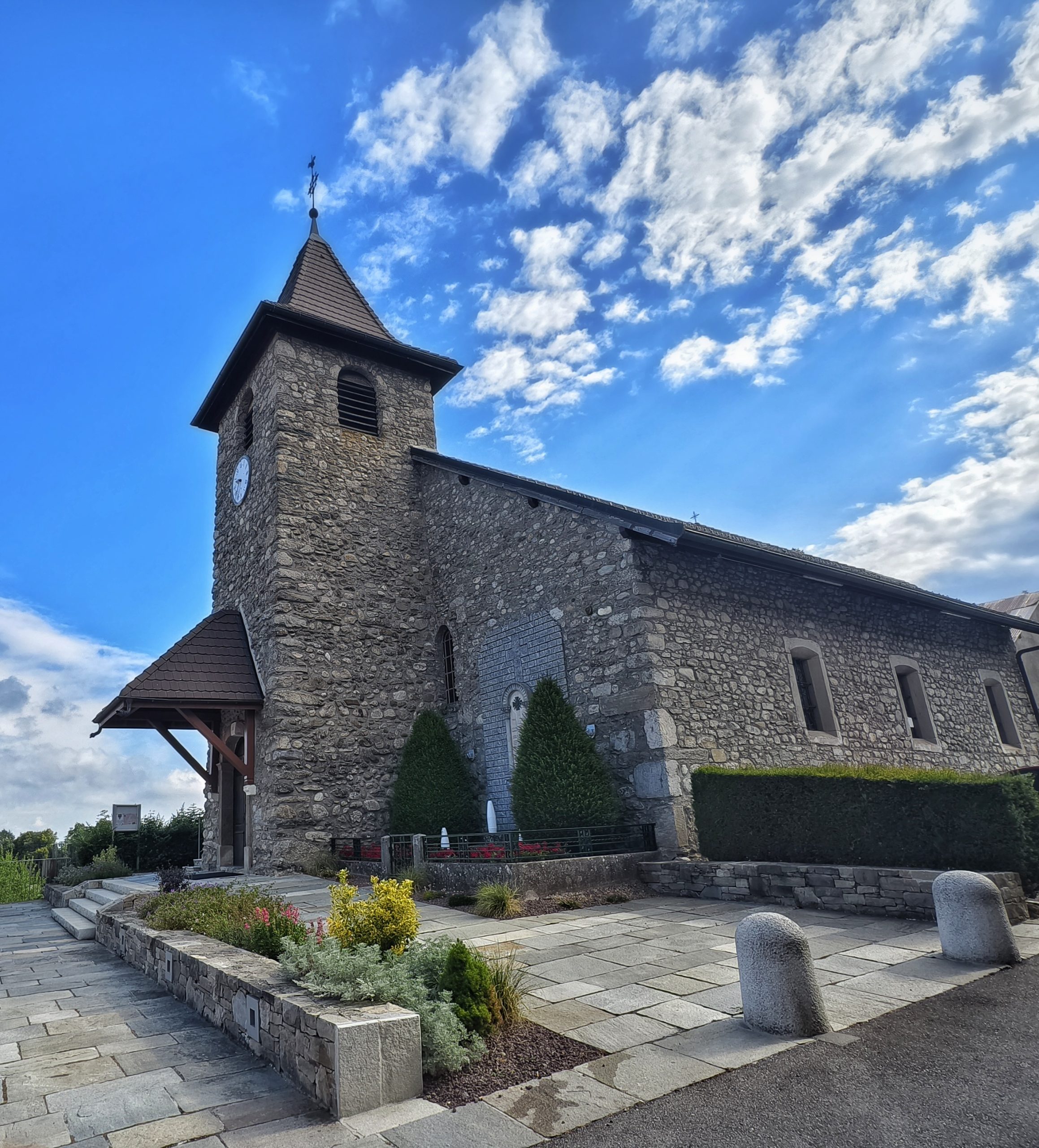
short day glitch
So my plan to keep the distance low for the first day was a bit of a fail. The problem was that when I reached mile 16, my made-up number for the day, I was in farmland and passing through small towns. It is not conducive to my first bivouac. I ended up walking another 6 km until I reached a municipal campsite.
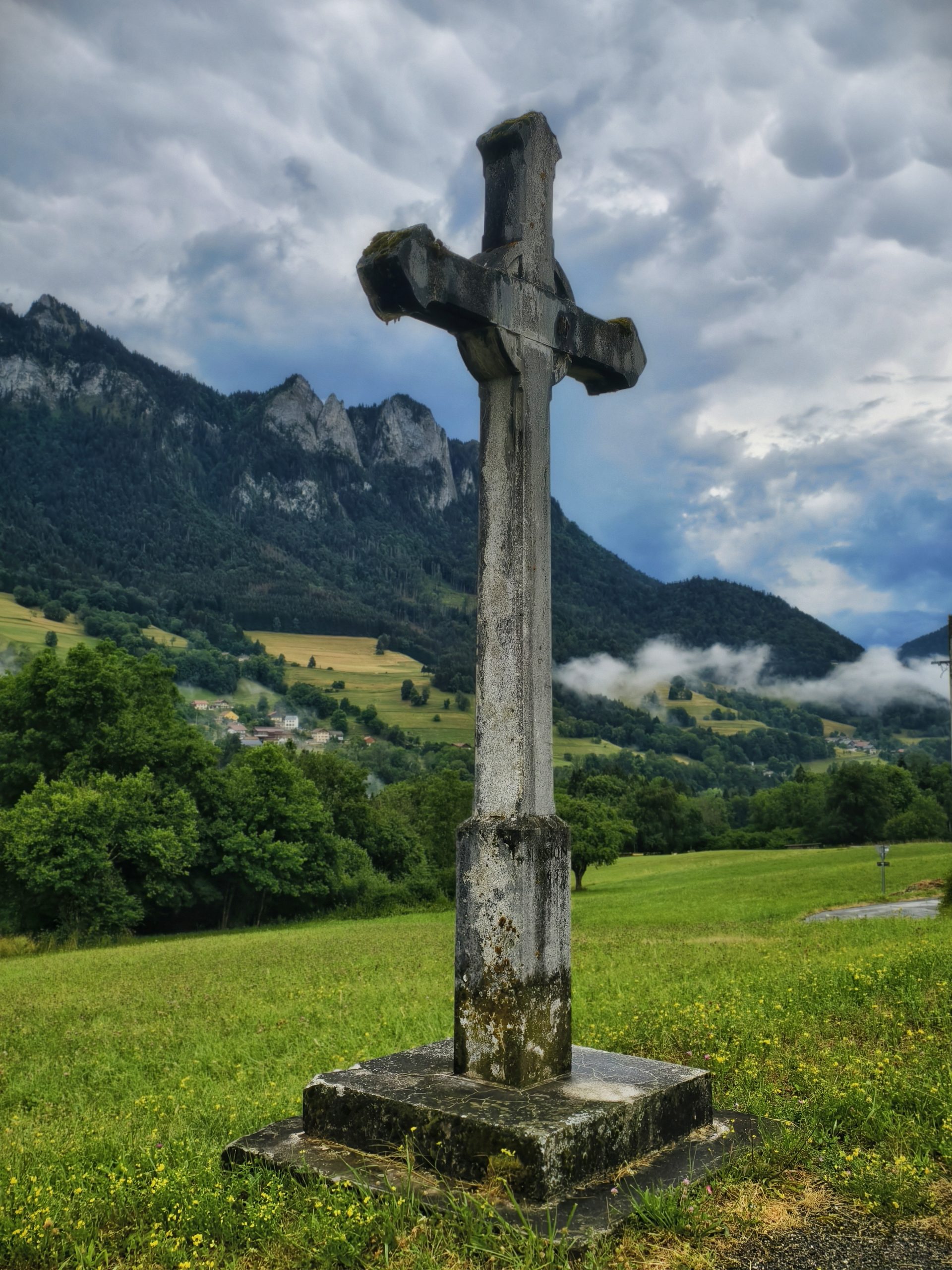
While I didn’t need any of the facilities on offer, it was very cheap and there were a handful of other hikers staying, so I spent the afternoon chatting and wondering how I could do less walking tomorrow.
This website contains affiliate links, which means The Trek may receive a percentage of any products or services you purchase using links in articles or advertisements. The buyer pays the same price they would otherwise pay, and their purchase helps support The Trek’s ongoing goal of bringing you quality backpacking information and advice. Thank you for your support!
For more information, visit the About page of this site.



:max_bytes(150000):strip_icc():format(jpeg)/woman-working-from-home-070326-9f79948fec00475e9158c0ae97c605ee.jpg?w=100&resize=100,75&ssl=1 "Sentarse o acostarse durante más de 30 minutos seguidos cada día puede aumentar el riesgo de cáncer, sugiere un nuevo estudio")


