

Leaping forward
During my last post I talked a lot about the Colorado fires. To avoid the Willow Fire in particular and the residual smoke, we proceeded approximately 65 miles to the town of Twin Lakes to continue our hike. Several days later we learned that the Willow Fire had changed direction and was now a potential threat to the city of Twin Lakes and that the city had been placed in pre-evacuation status. We also met a couple of hikers who had been camping on the trail and when the fire got closer they had to move away, later discovering that the fire had consumed their camp. While the Willow Fire has grown to more than 4,000 acres, that is relatively small compared to the Ferris Fire (20,000 acres) or the Gold Mountain Fire (30,000 acres), also in Colorado. The Babylon Fire in Utah covers more than 100,000 acres. If you’re interested, you can track wildfires on a free app called Watch Duty. It is very useful.
Before leaving Twin Lakes, Spokes had the honor of meeting the fine gentleman pictured below. These are all astronauts retired from our space shuttle missions (except Spokes, fourth from the left).
Day 9: Jump to Twin Lakes and hike to camp (4 miles)
Day 10 – Camping to Lake Ann (14 miles)
Day 11: Lake Ann to Cottonwood Pass (15 miles)
Day 12 – Cottonwood Pass to Campground (14 miles)
The mountain pass
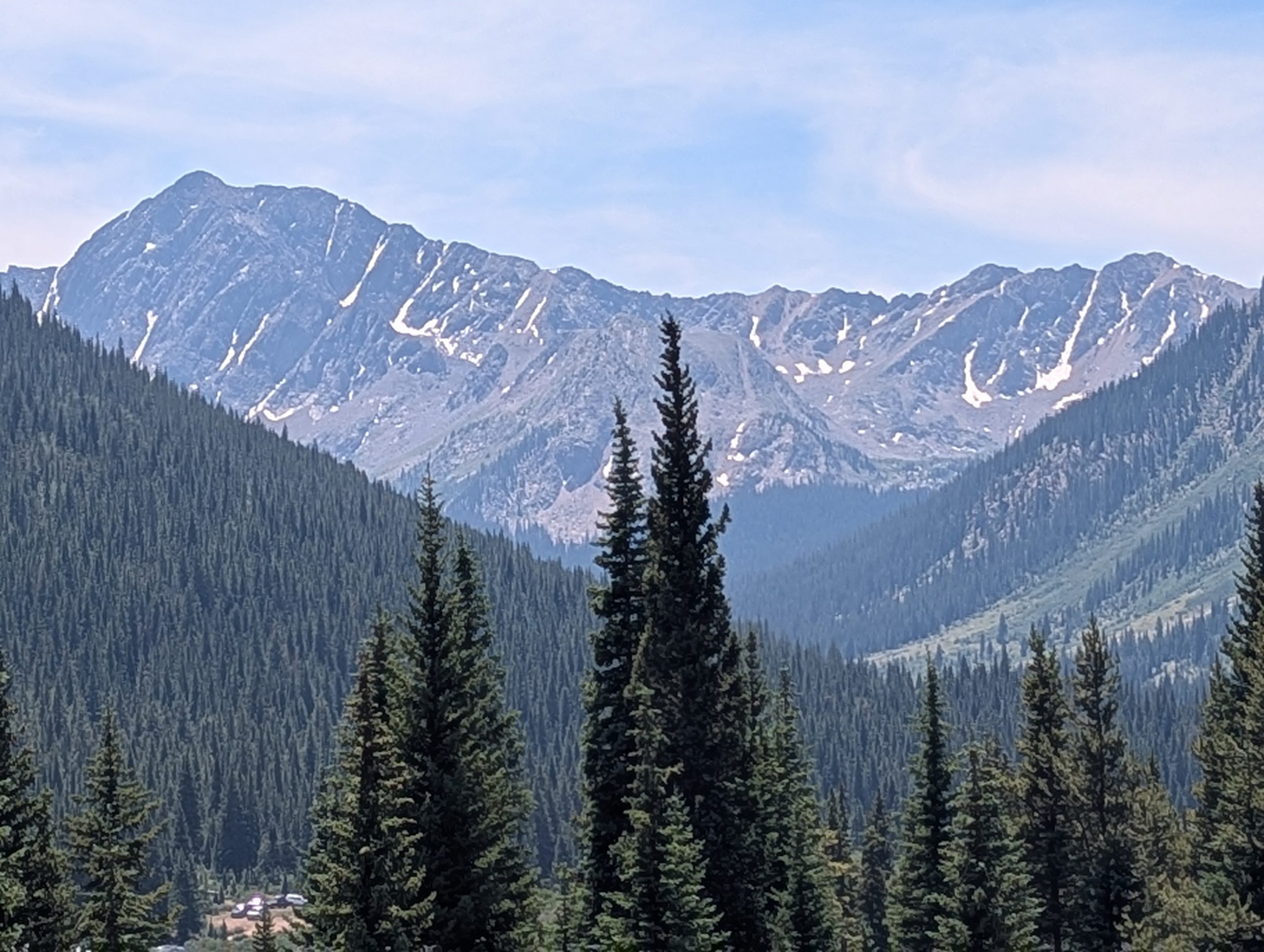
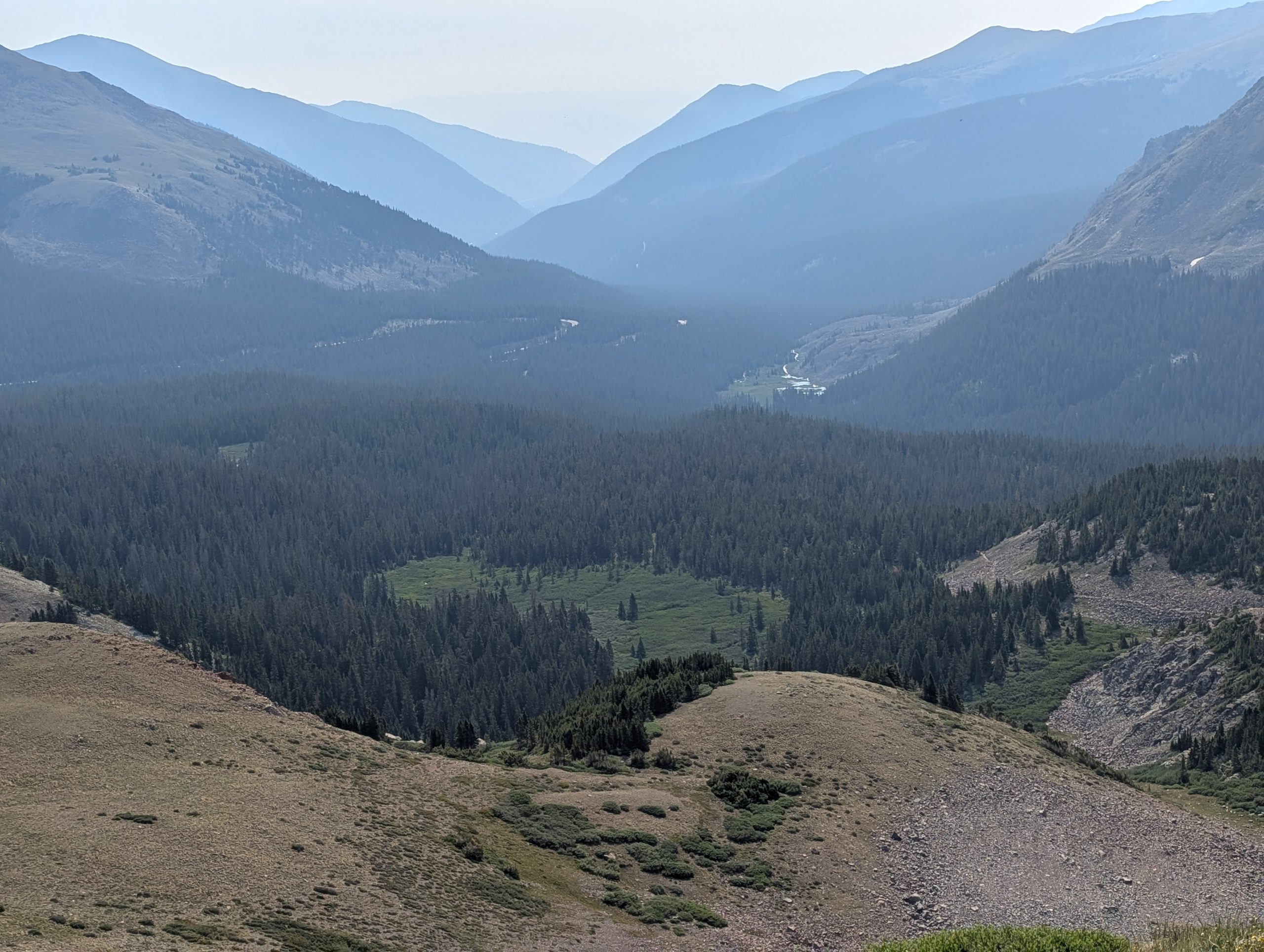
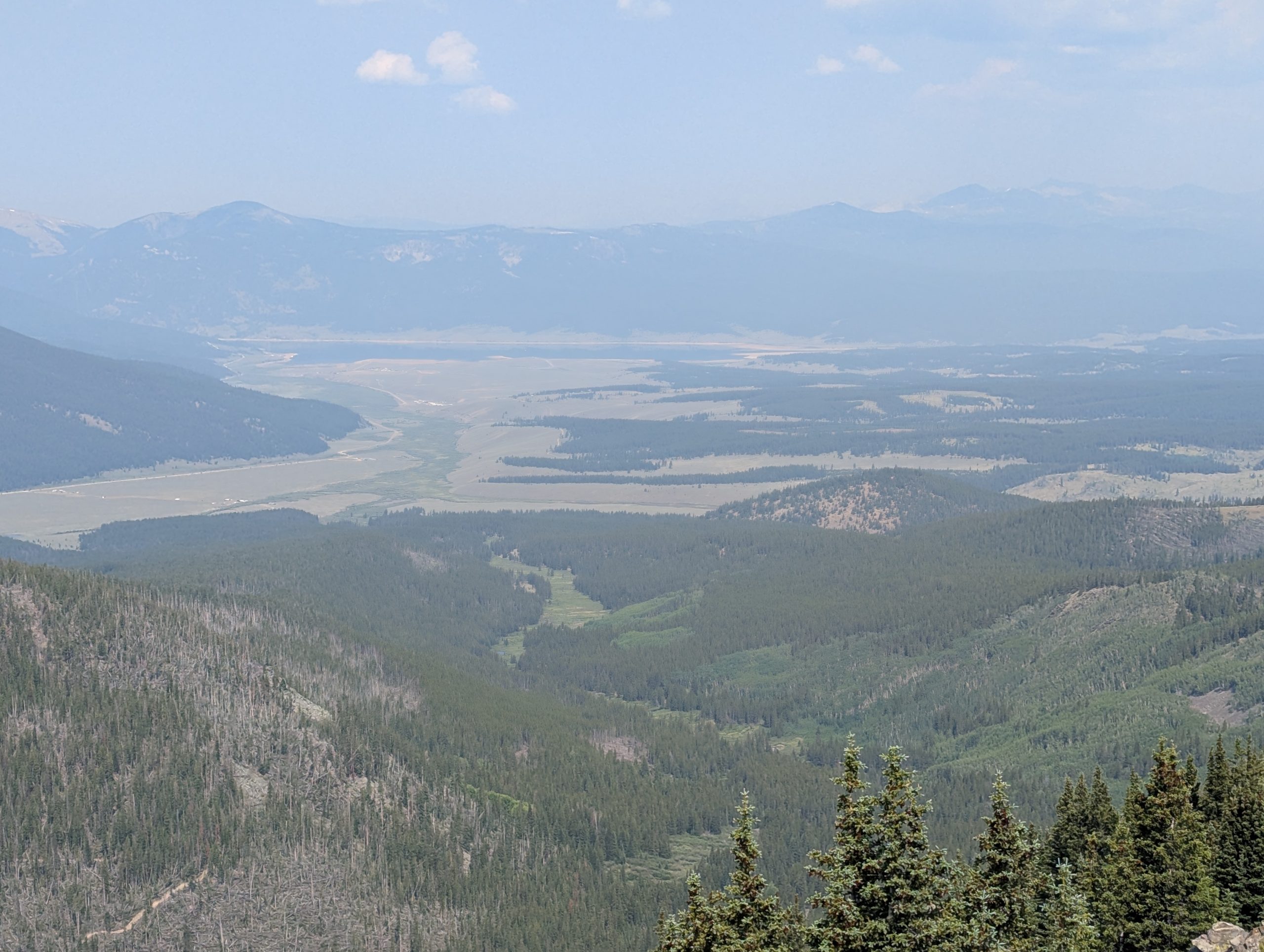
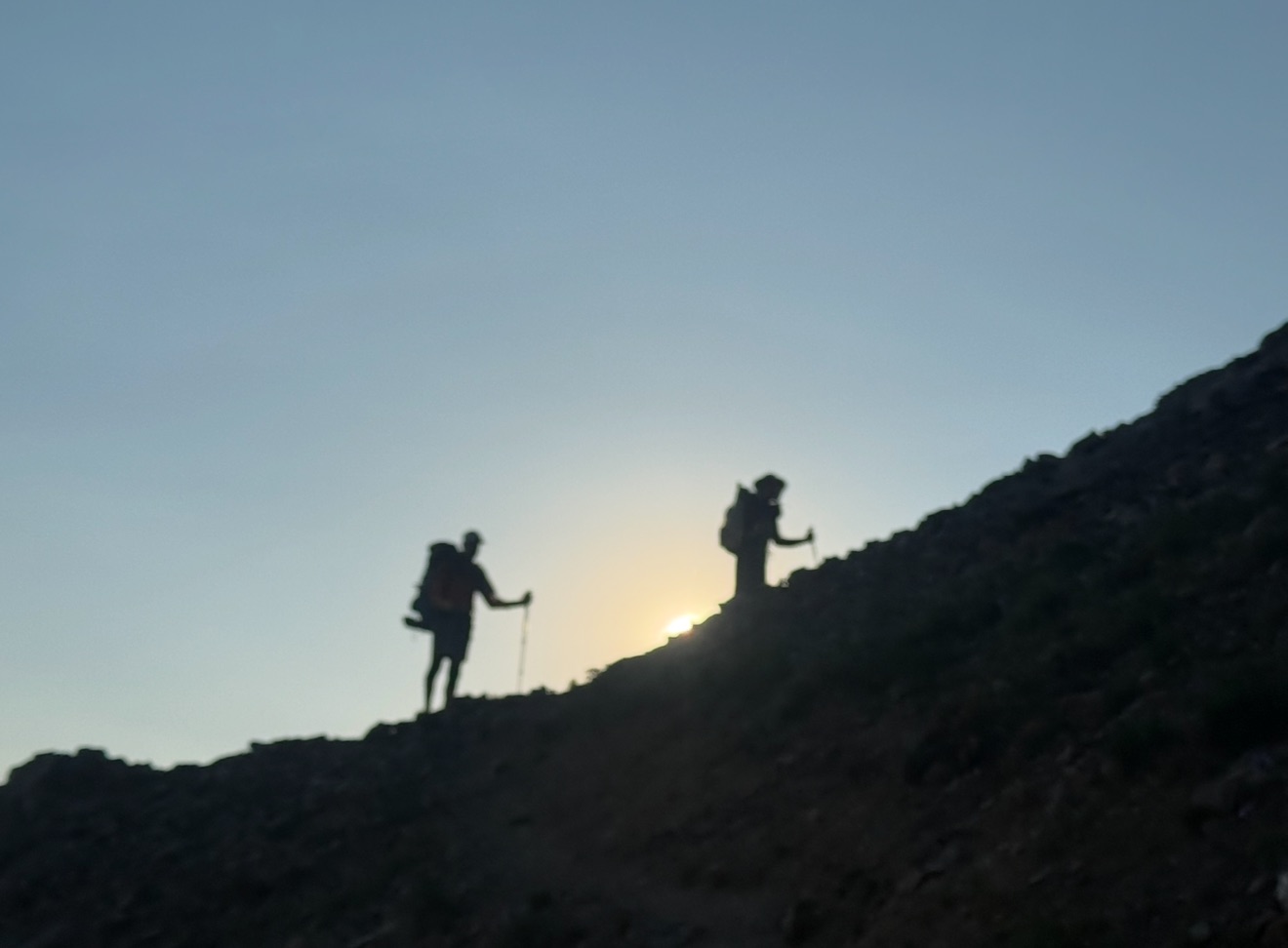
The Colorado Trail does not take us to mountain peaks. Rather it takes us through mountain passes, which is the lowest navigable route through a mountain range. Every day we went up and over passes like Kenosha Pass, Georgia Pass, and Hope Pass. Although it is the lowest navigable route, don’t get the impression that these are easy routes. In fact, on the 12th, we hiked five separate passes, each over 12,500 feet in elevation. The views from a mountain pass are usually incredible. By the way, climbing five passes in one day was brutal.
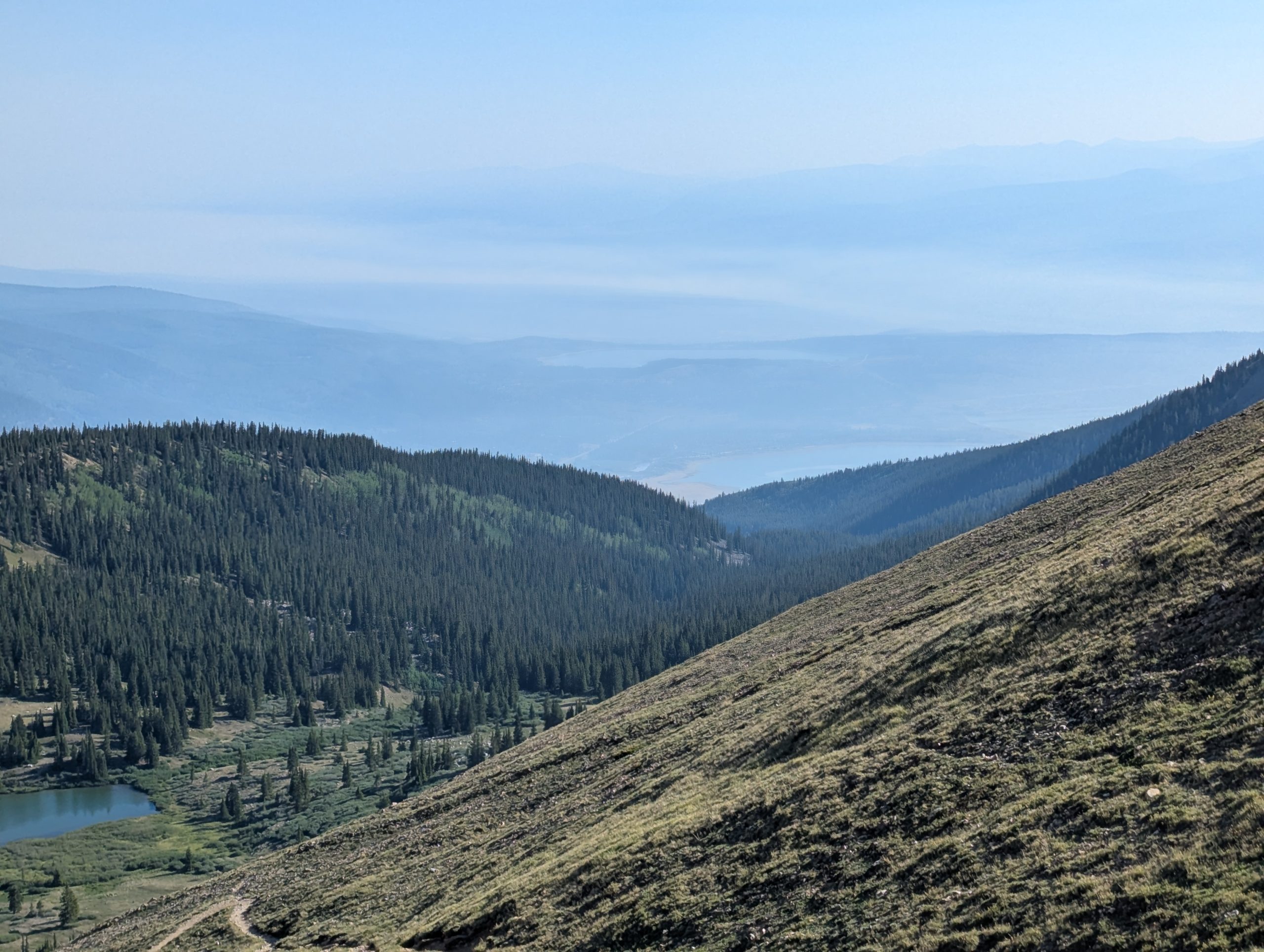
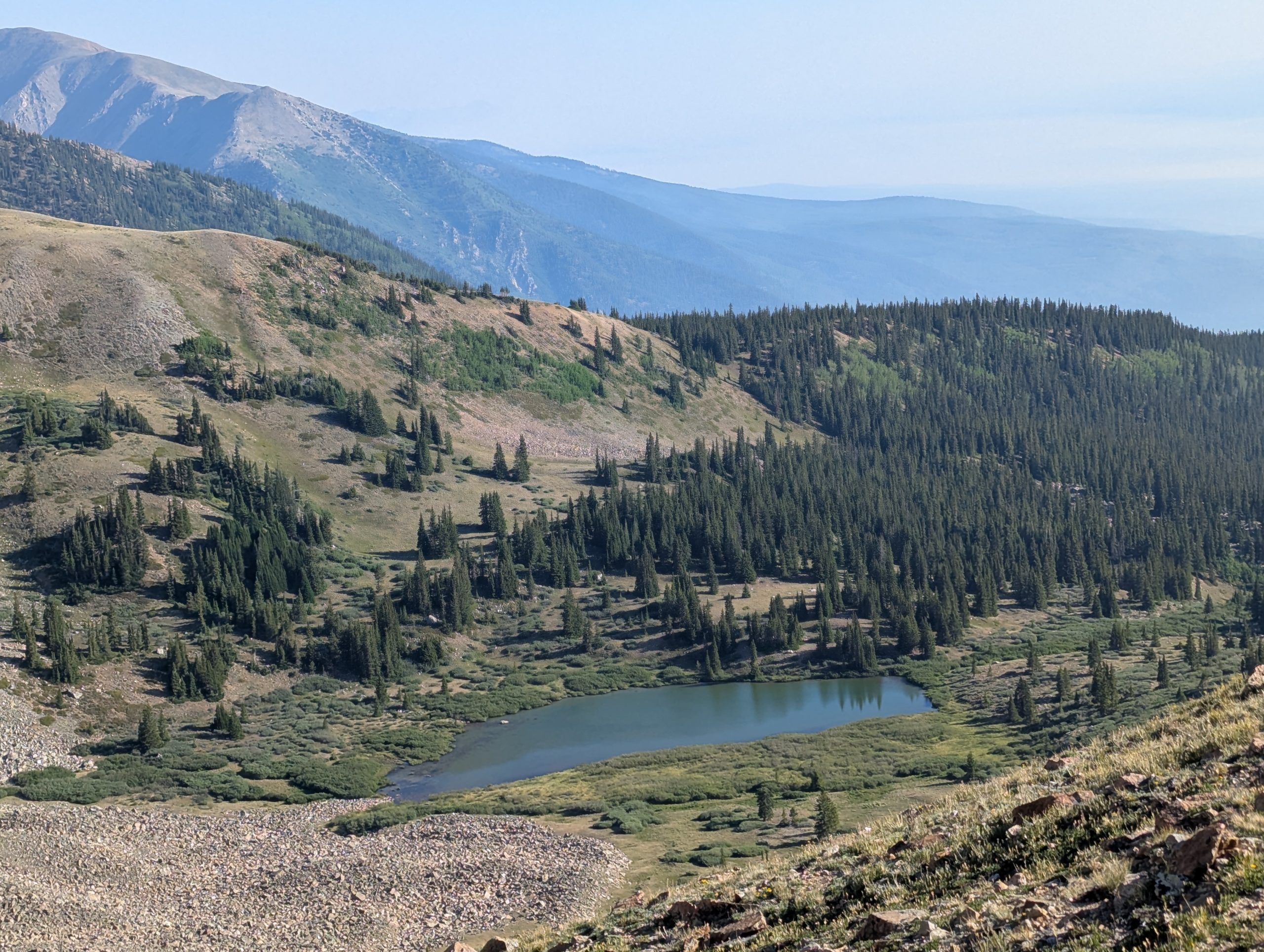
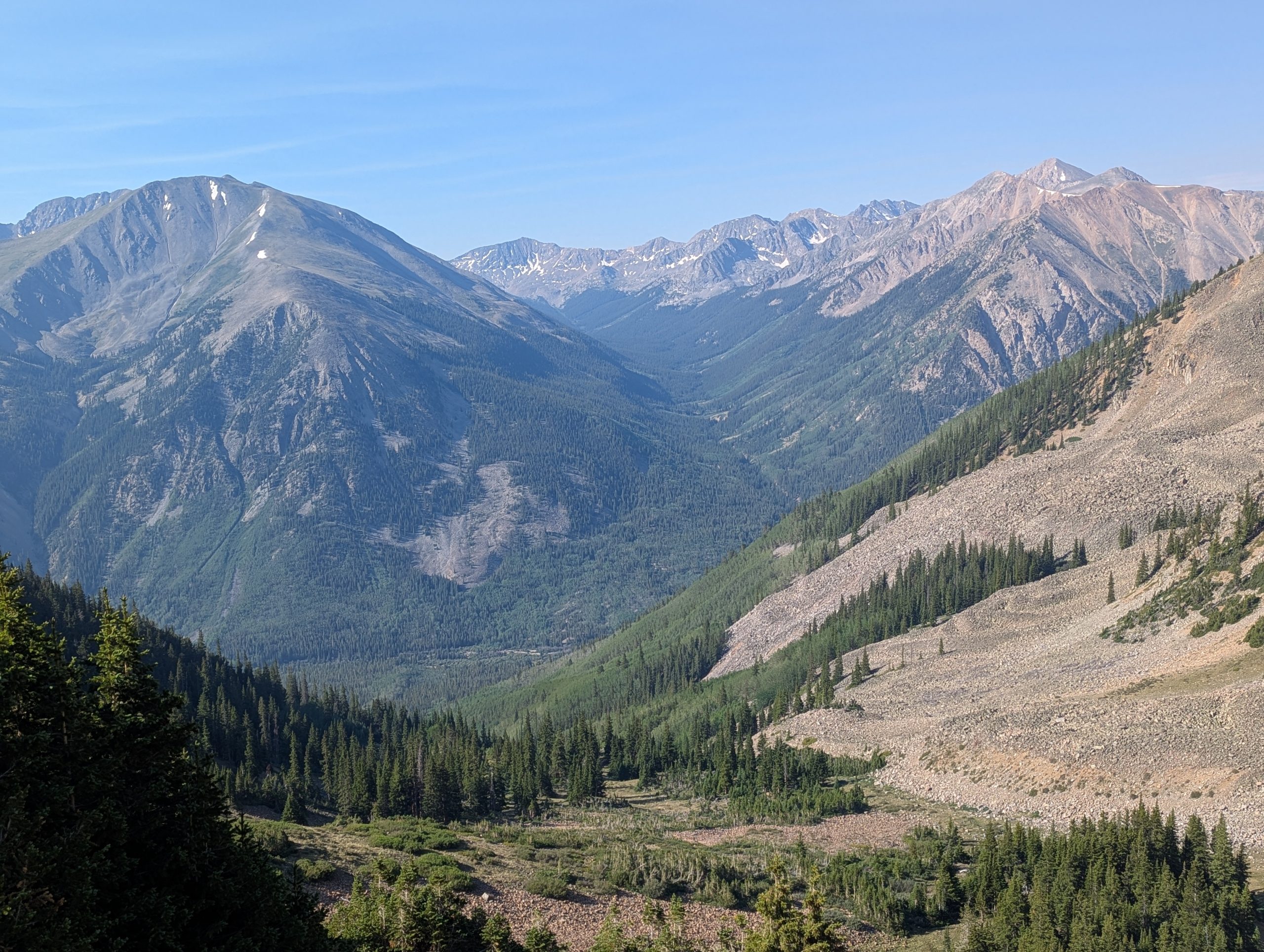
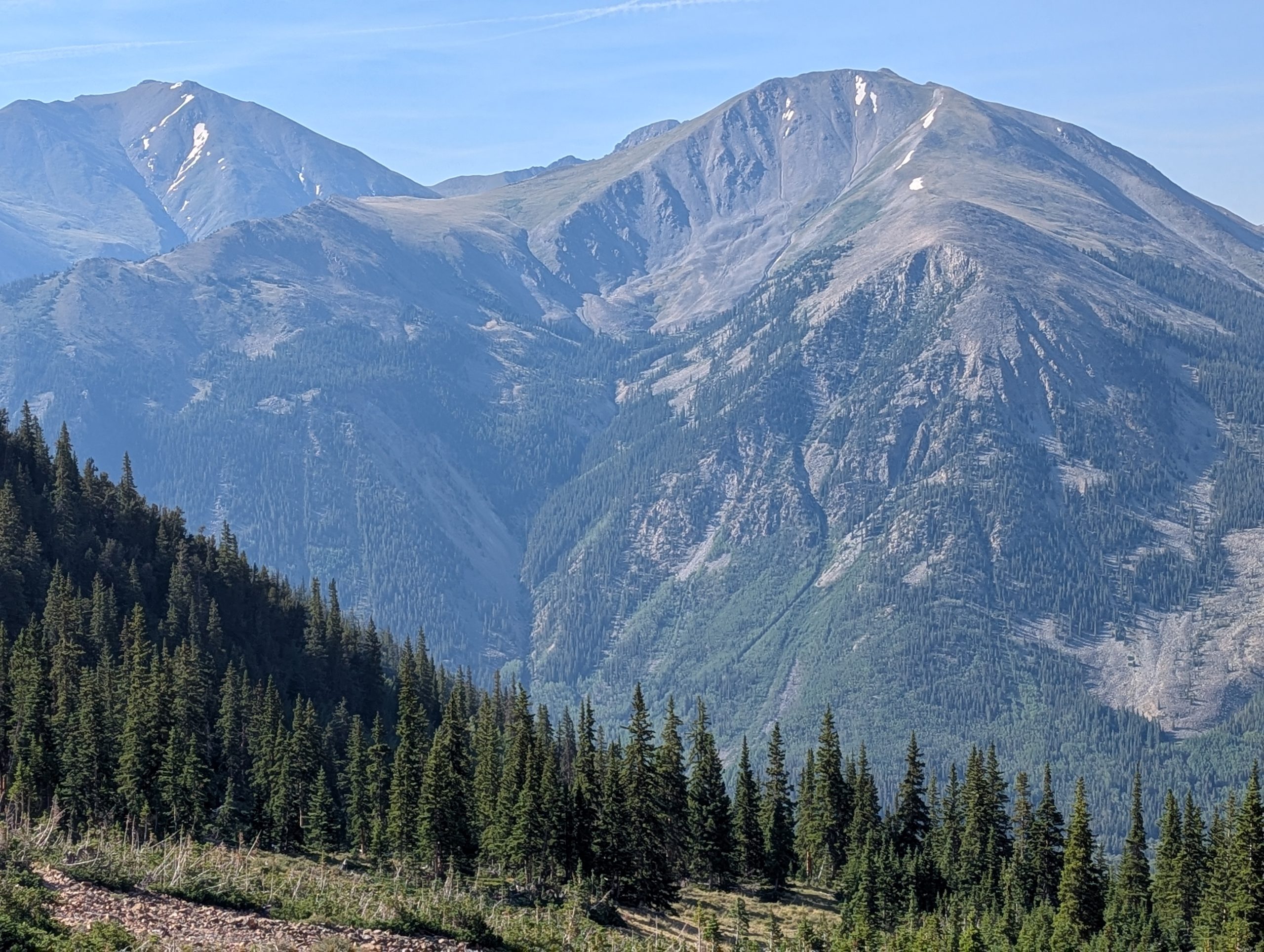
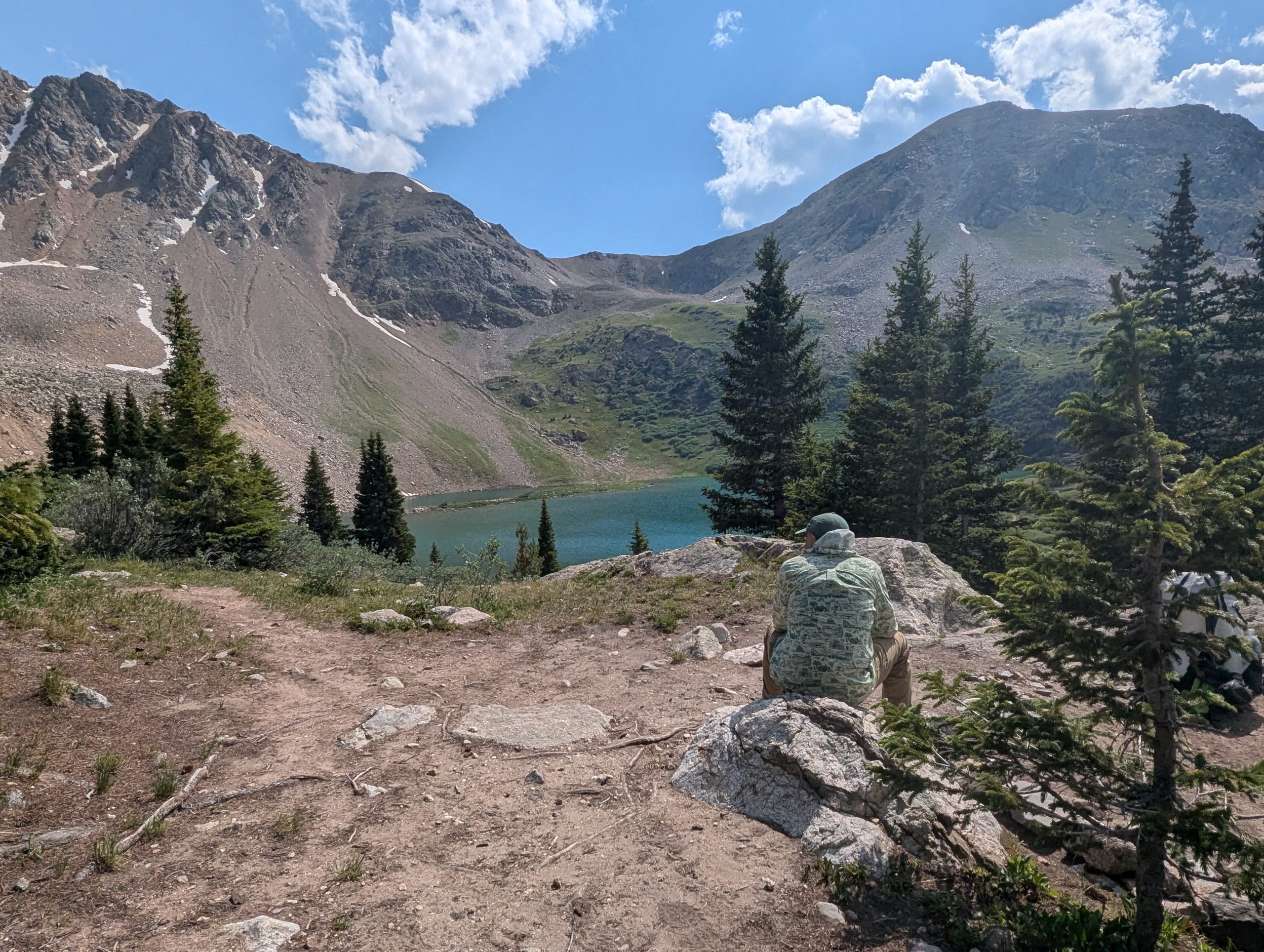
Alpine lakes
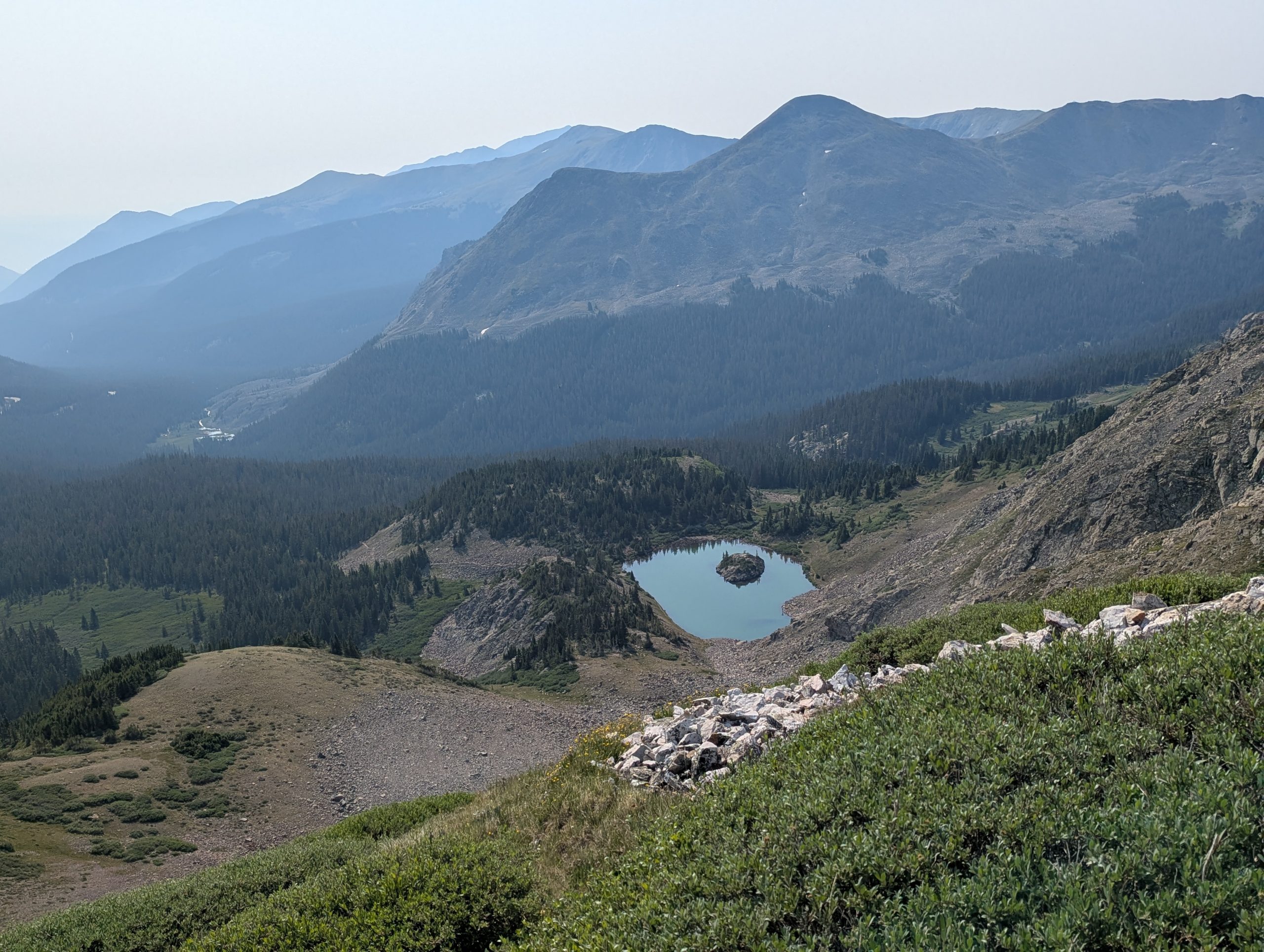
Alpine lakes are beautiful bodies of water high in the mountains. They are formed from water and the melting of the mountains that surround them. The Colorado Trail often takes us through alpine lakes and we were lucky enough to camp at beautiful Lake Ann.
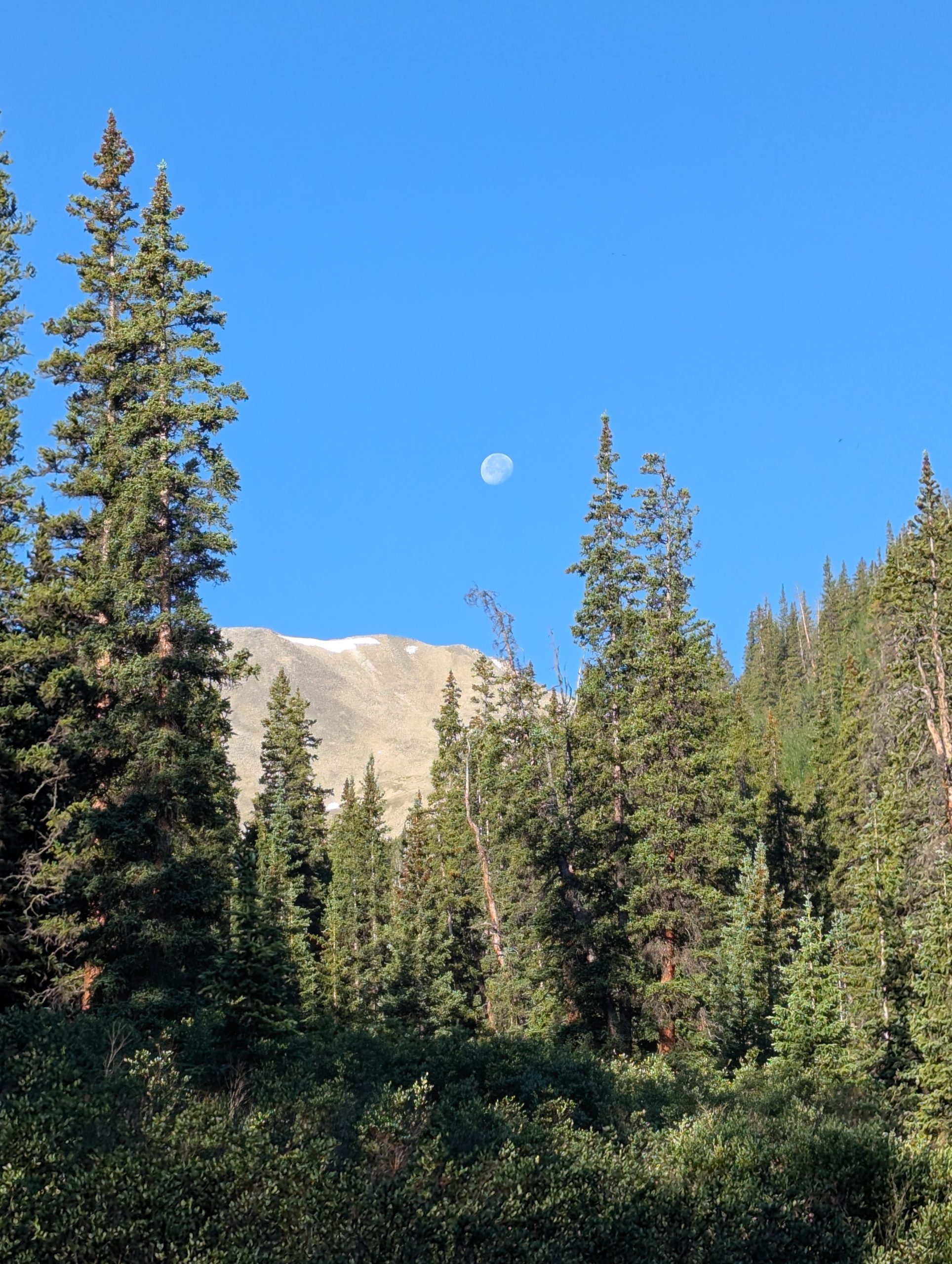
As we walked the next morning, we captured this beautiful lunar landscape.
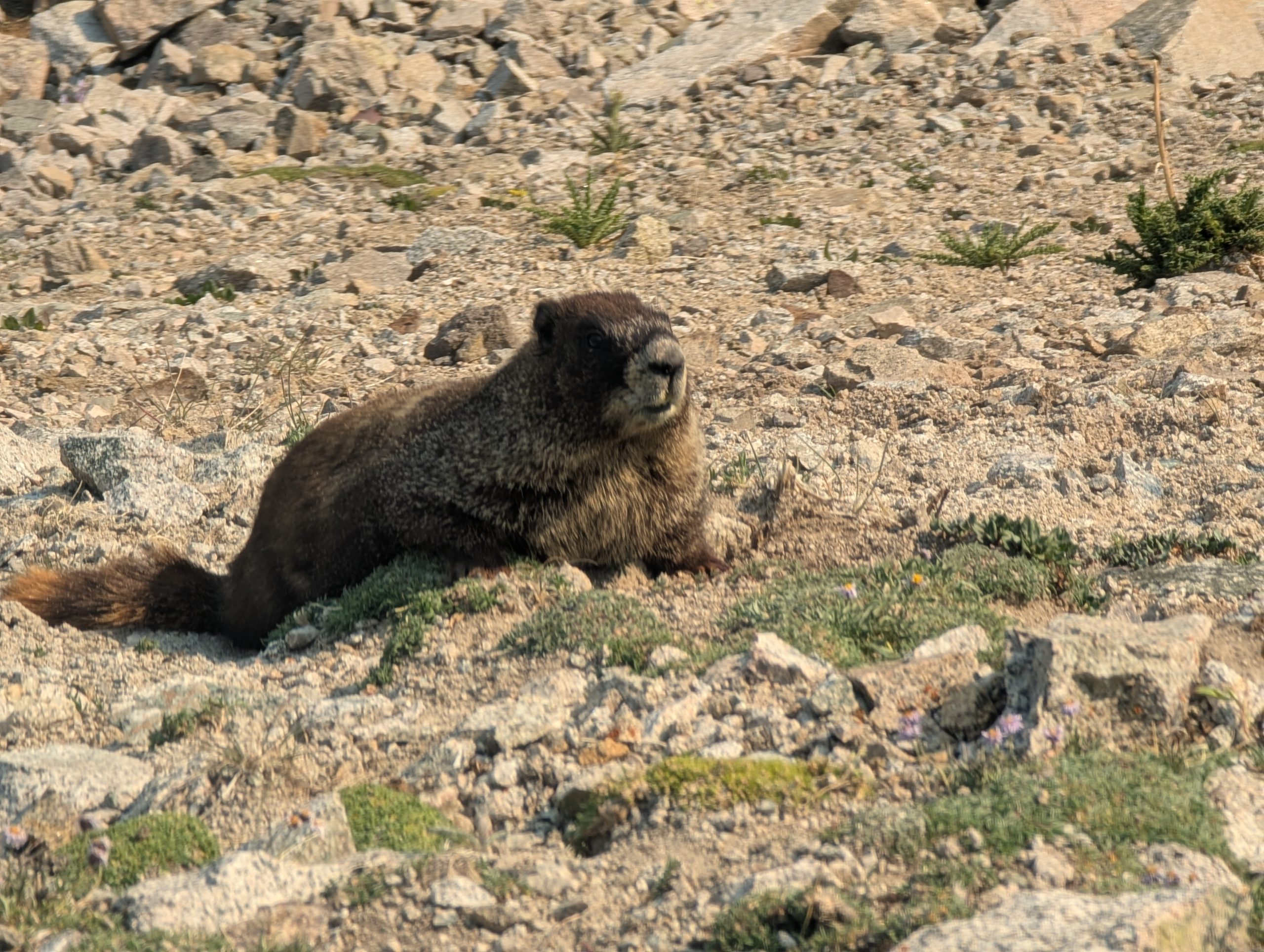
Yes, but what about wildlife?
When you get above 12,000 feet, you start to see and hear groundhogs. At first there is curiosity and you take as many photos as you can. Over time, you realize that they are everywhere and all they want is for you to take their photo.
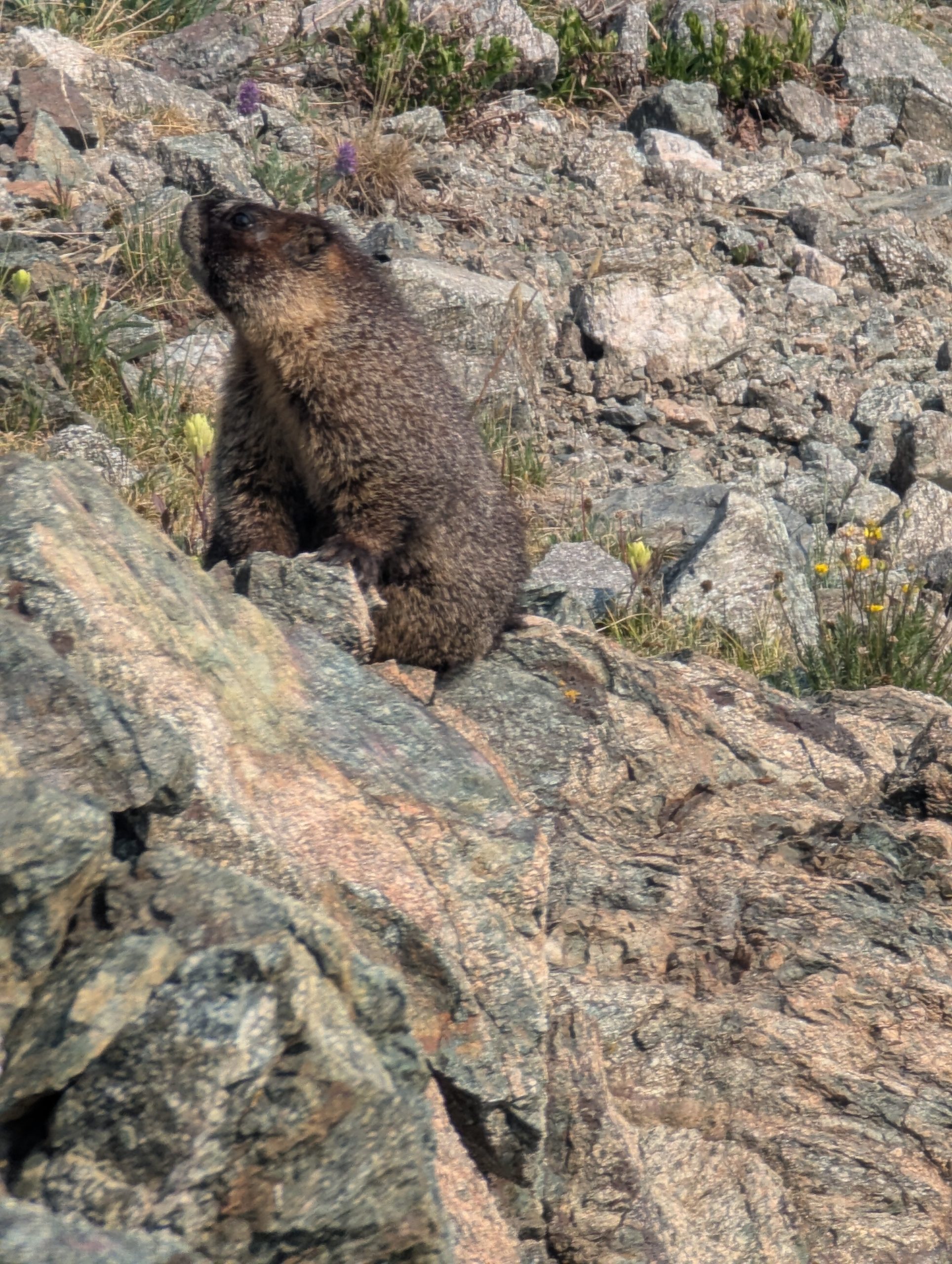
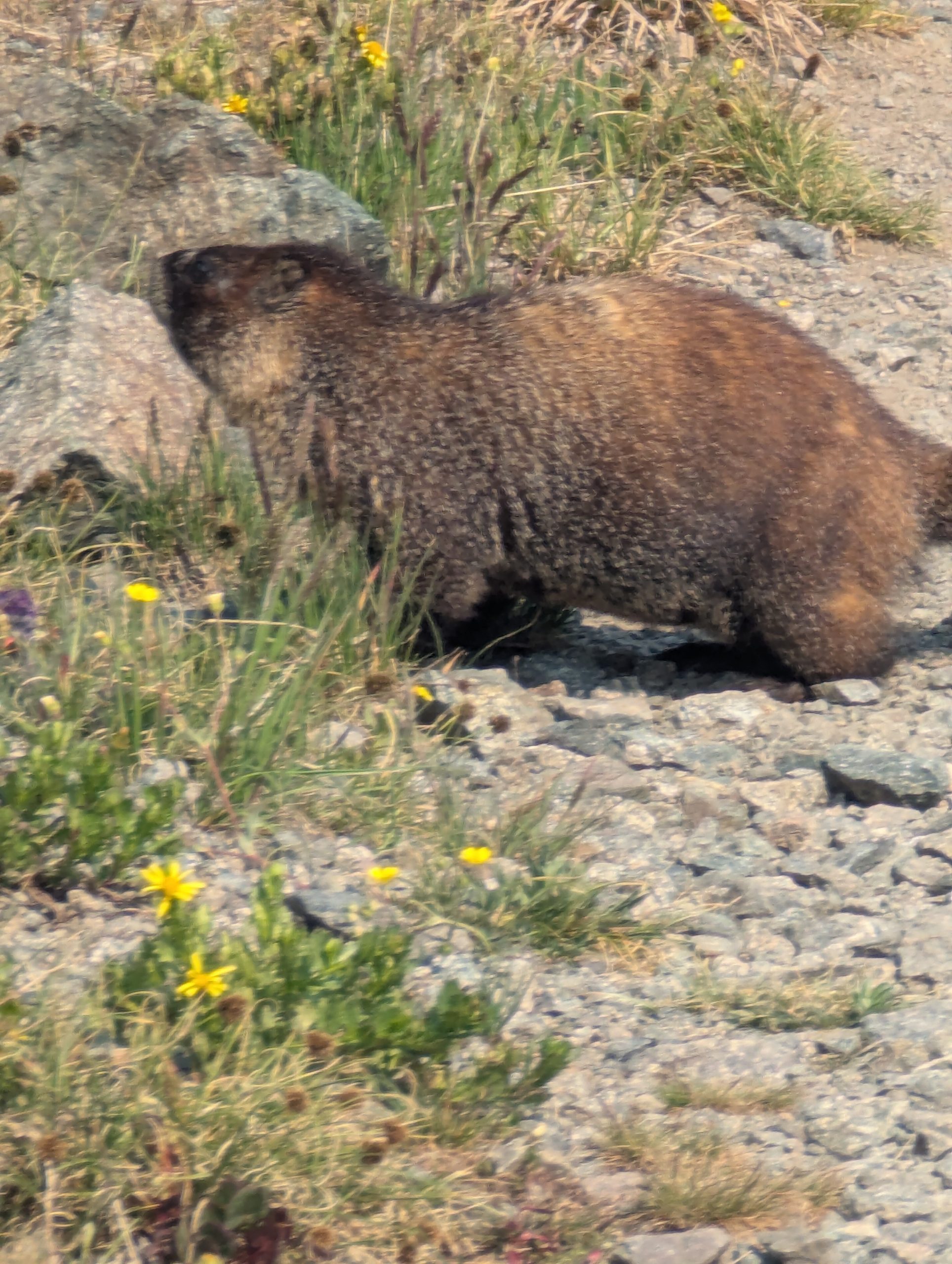
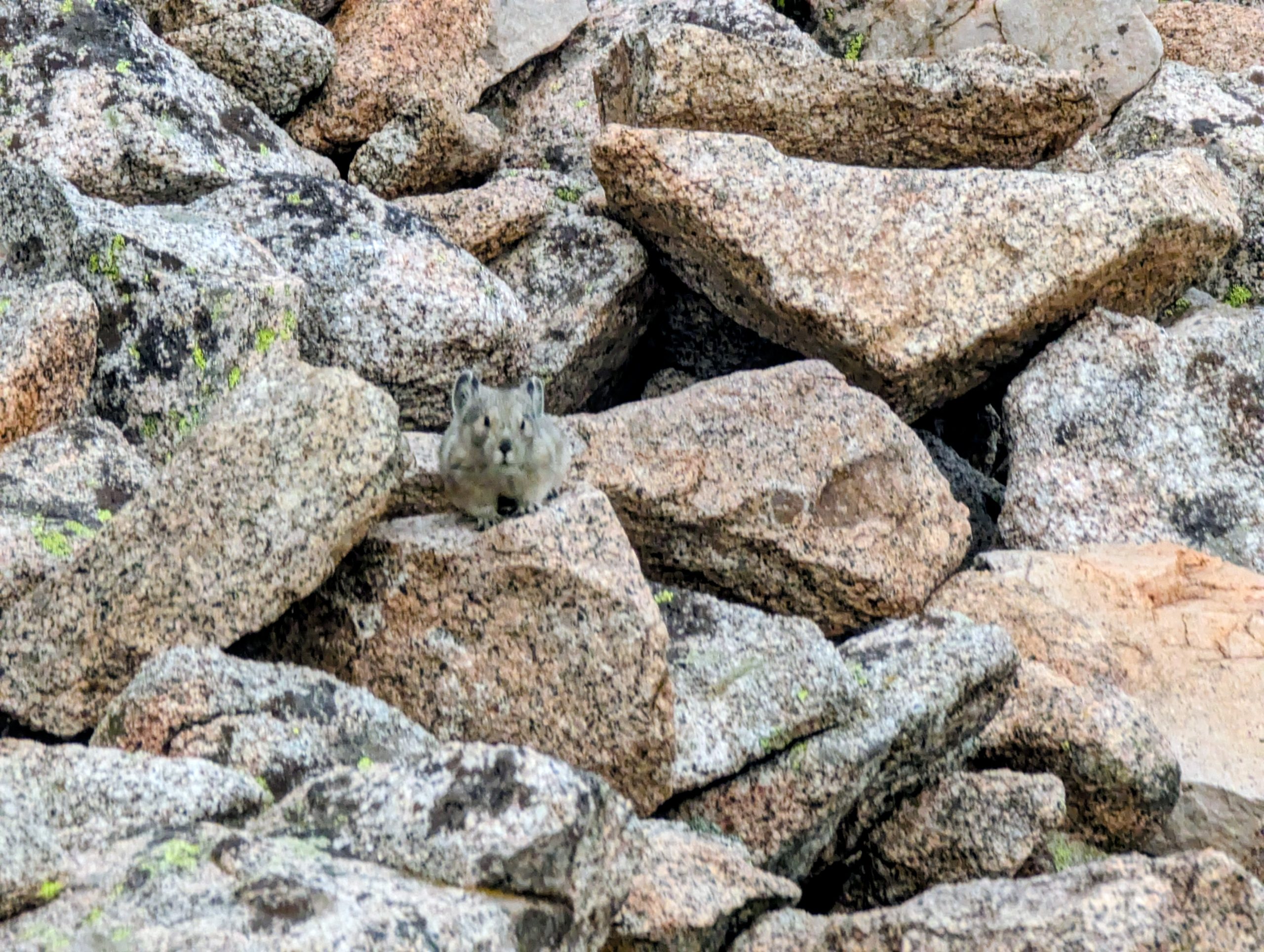
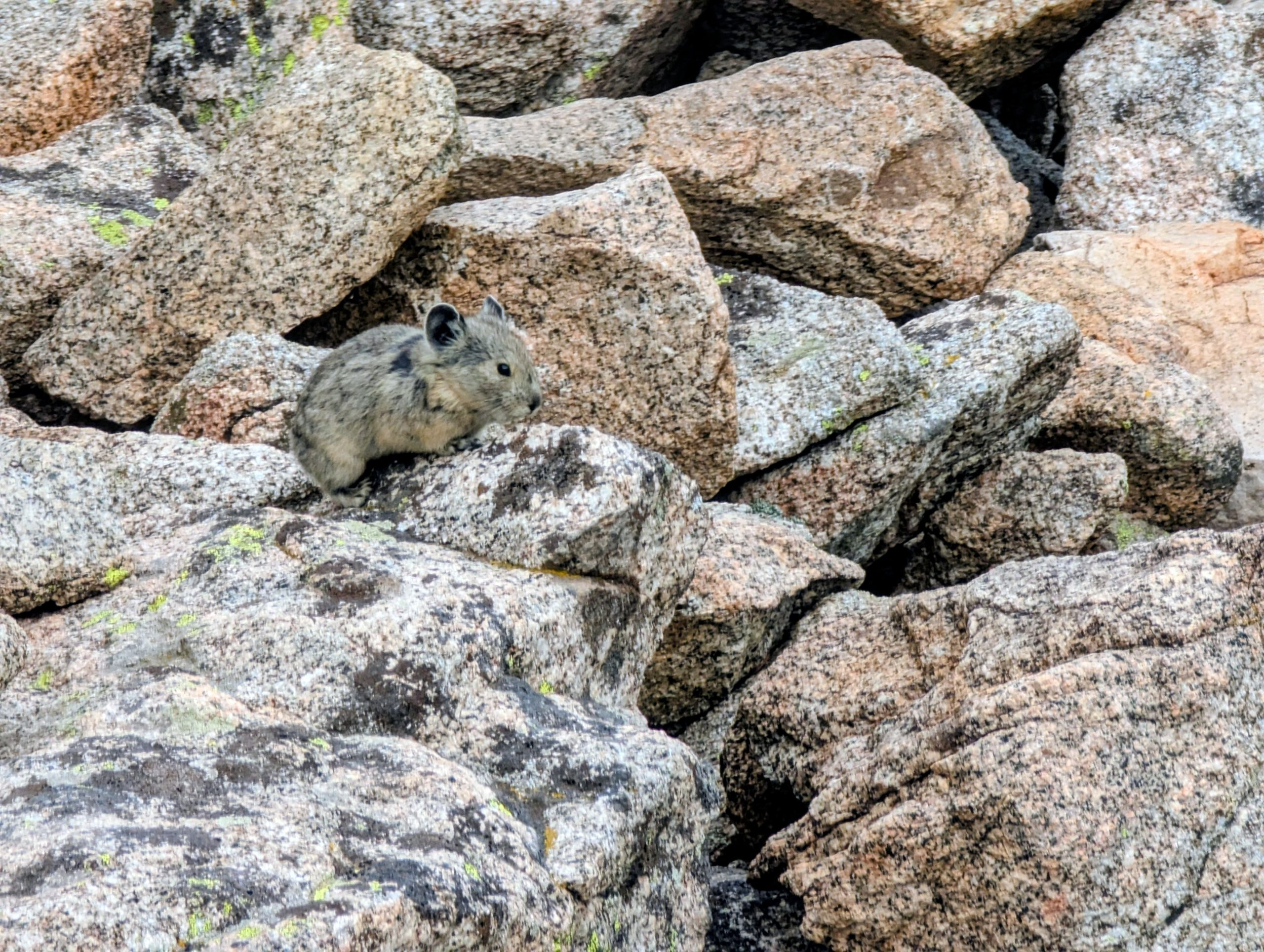
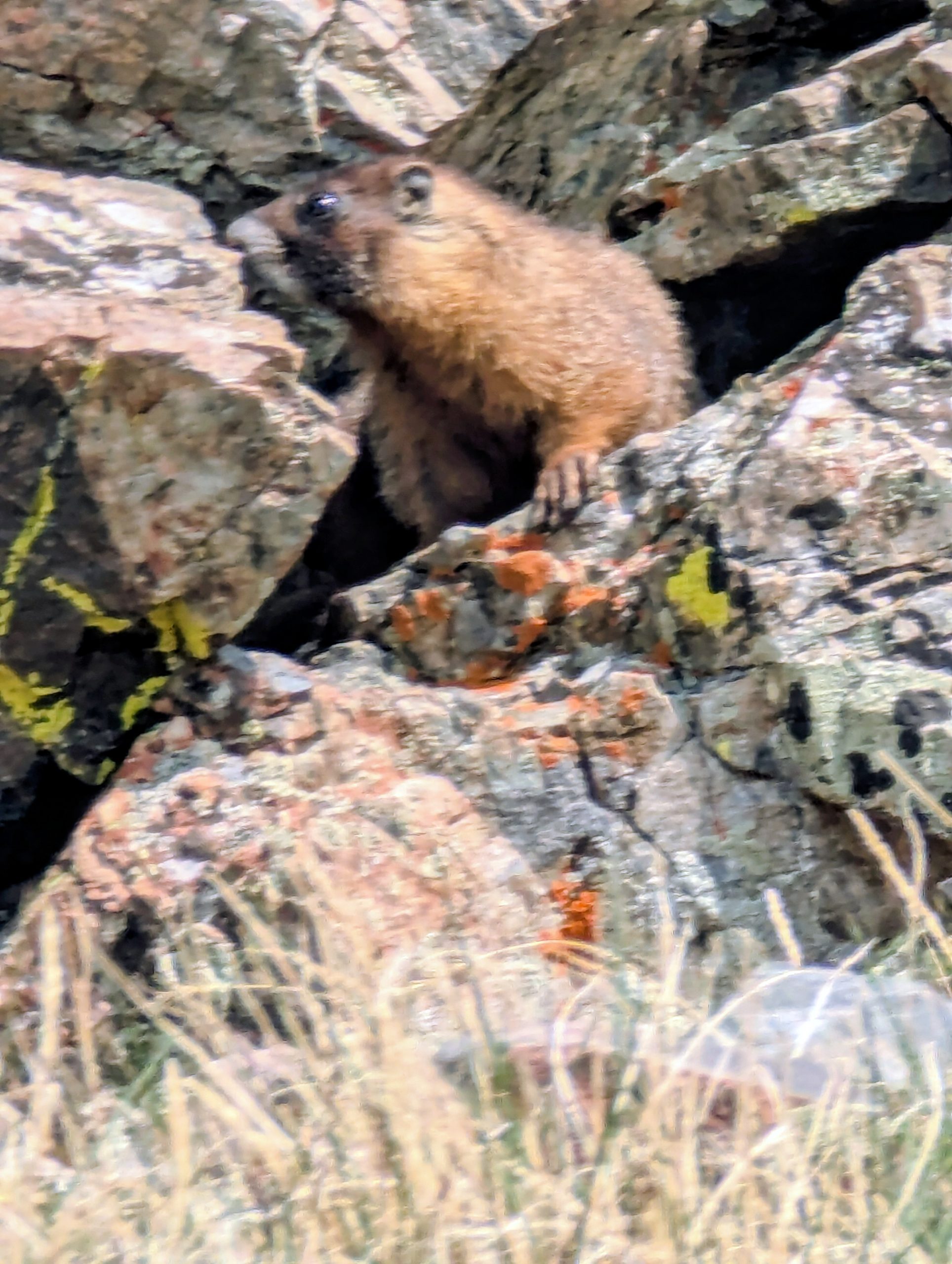 More elusive is the pike. They scurry away quickly and don’t want to have their pictures taken. But, if you are quiet and careful, you might be able to take a couple of photos.
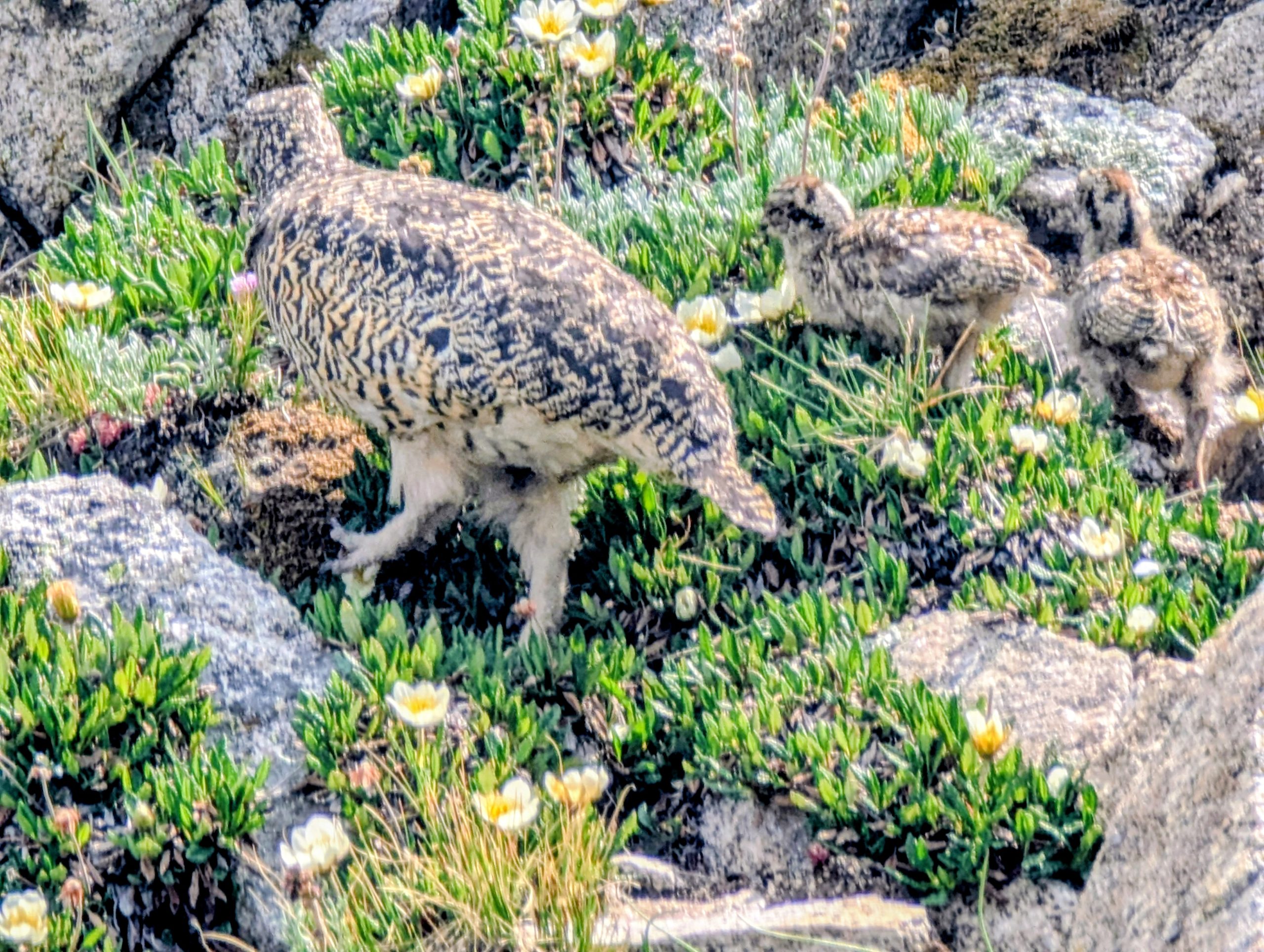
NatGeo, our resident bird expert, was pretty excited when we started spotting white-tailed partridges. We were lucky enough to see several of these, including those with chicks.
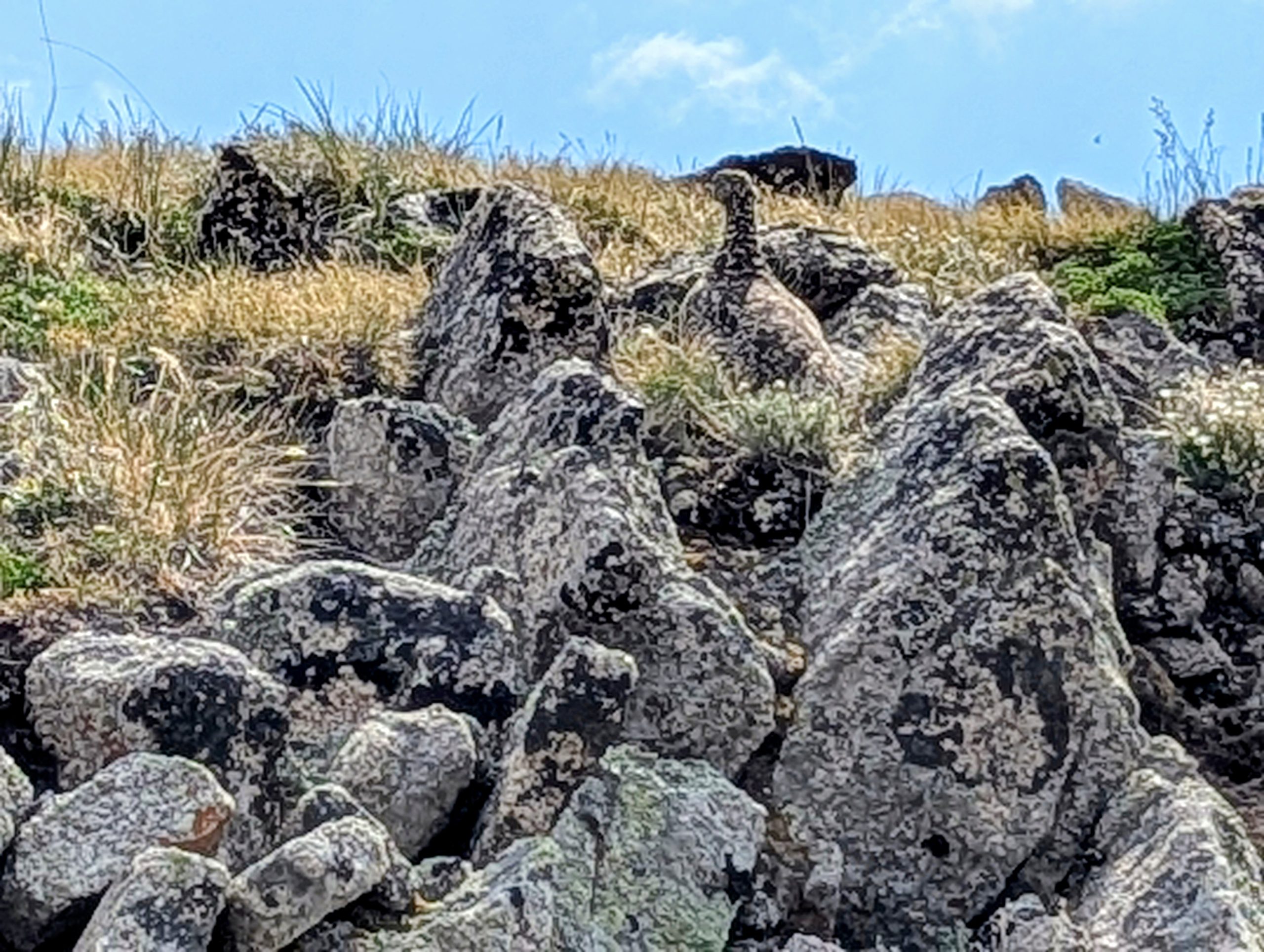
Their camouflage is crazy. Find the ptarmigan in this photo.
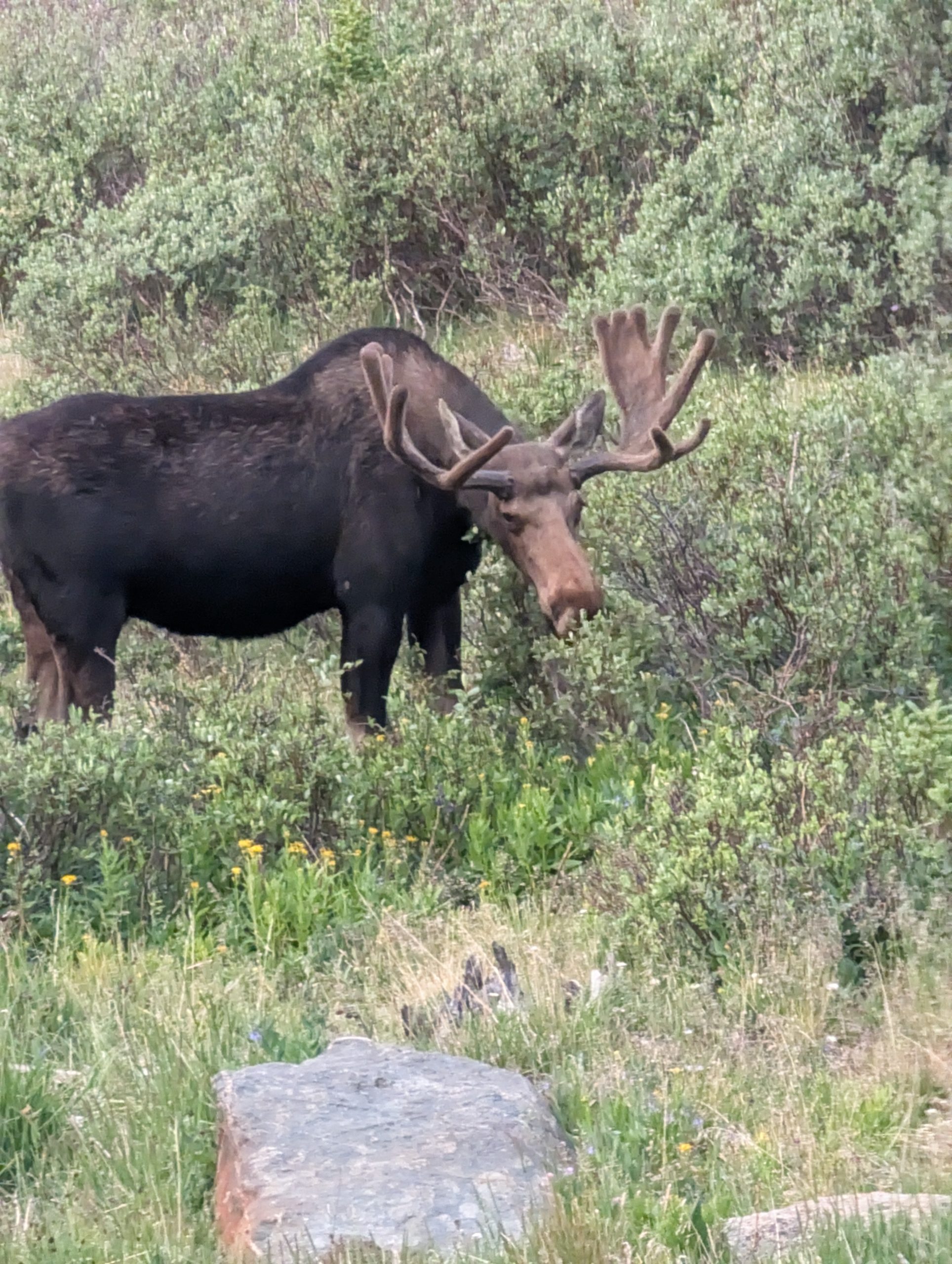
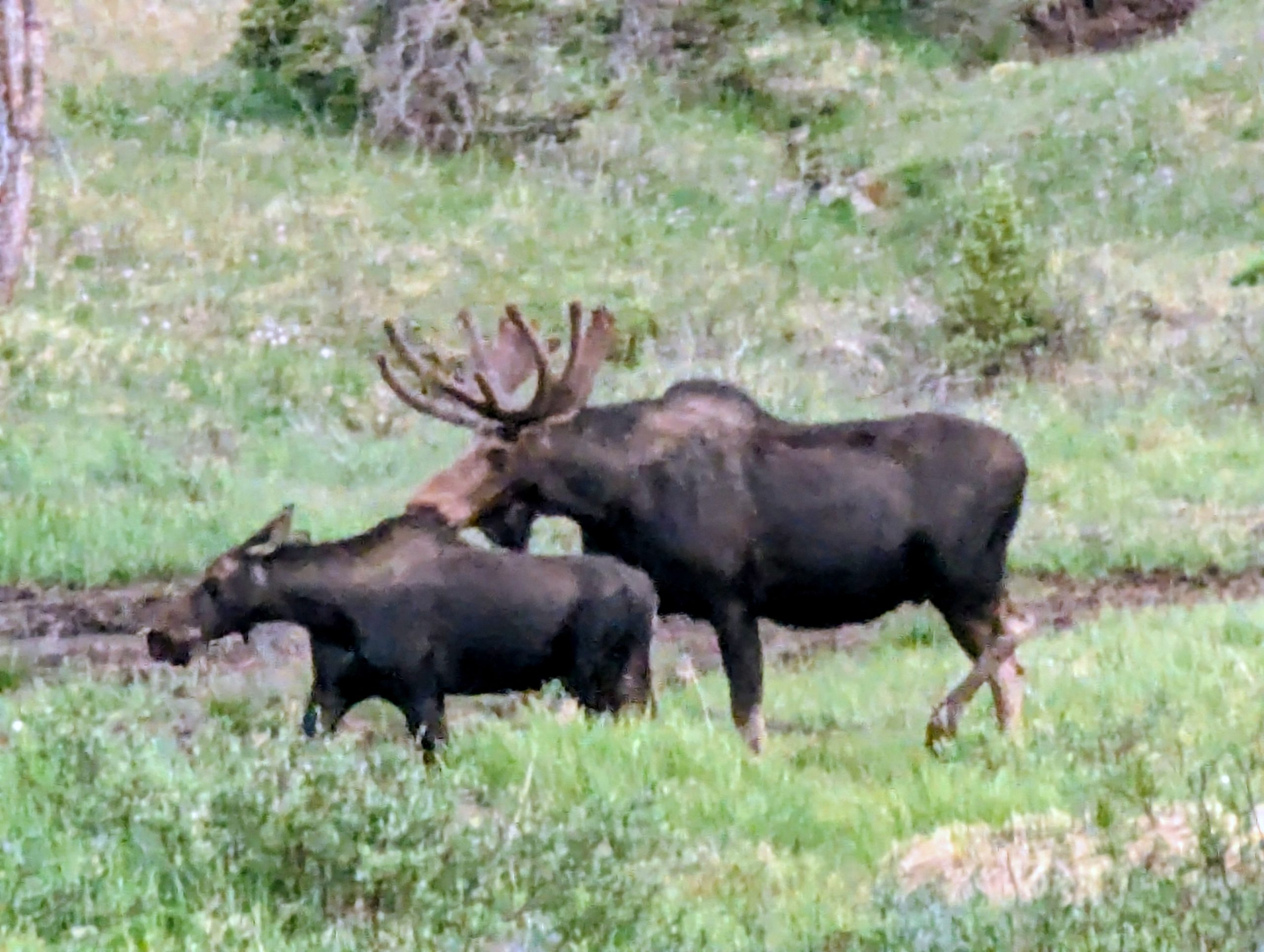
And yes, we found the moose. One night camping, at dinner time, we saw five elk in a nearby field. One of them was a real bully.
That’s enough for today. I hope you’re enjoying this.
…okay, a few more photos…

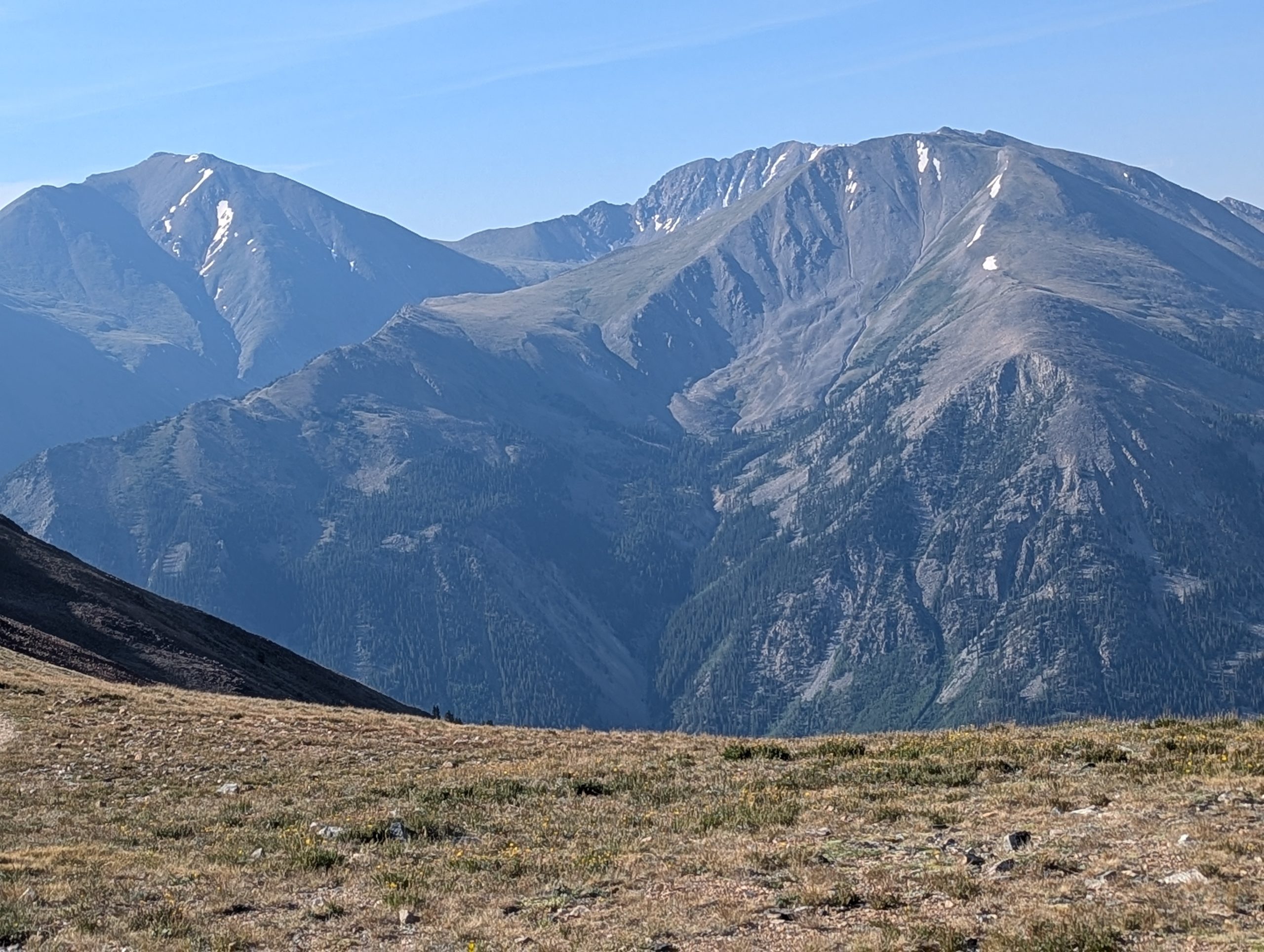
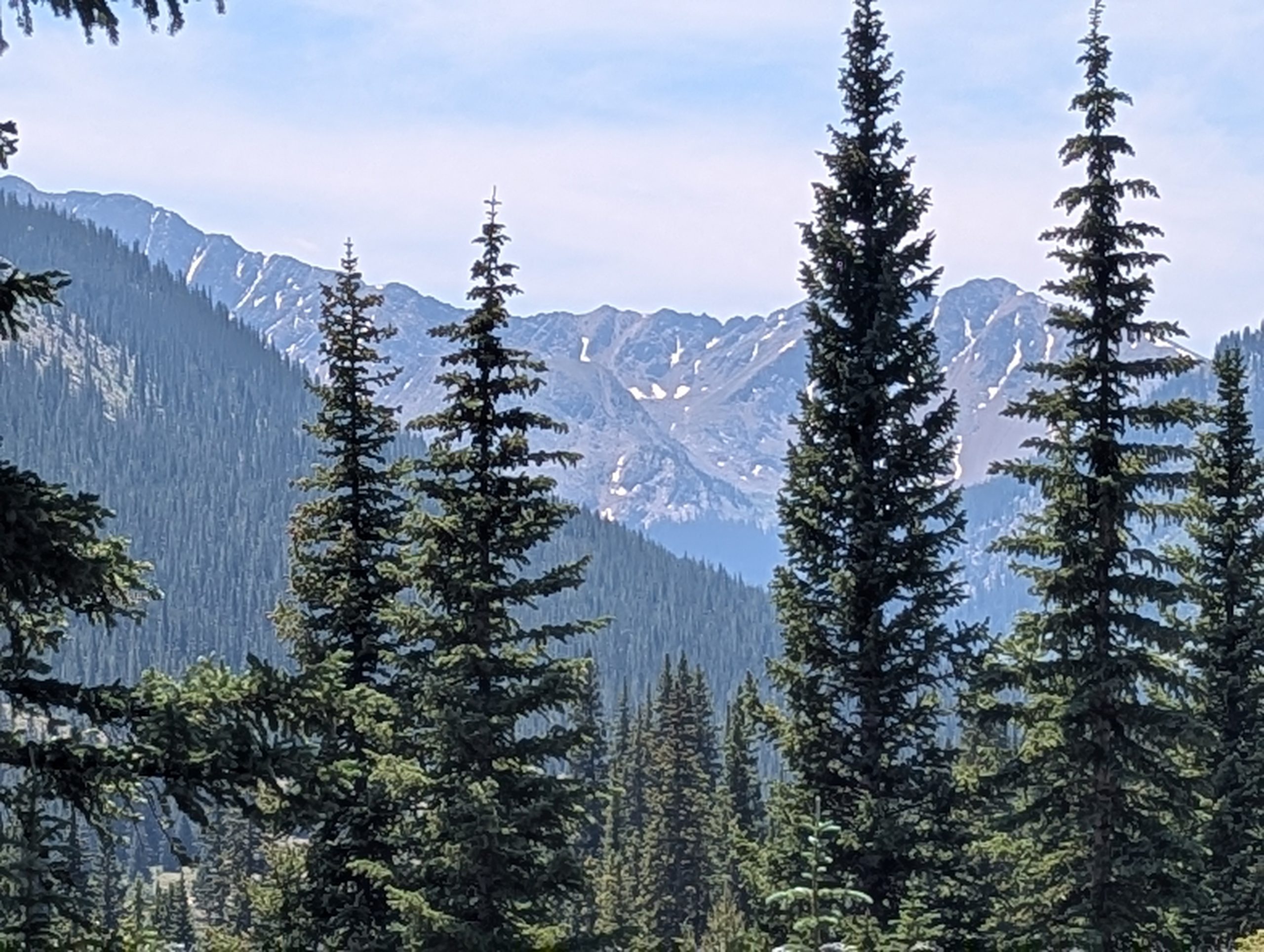
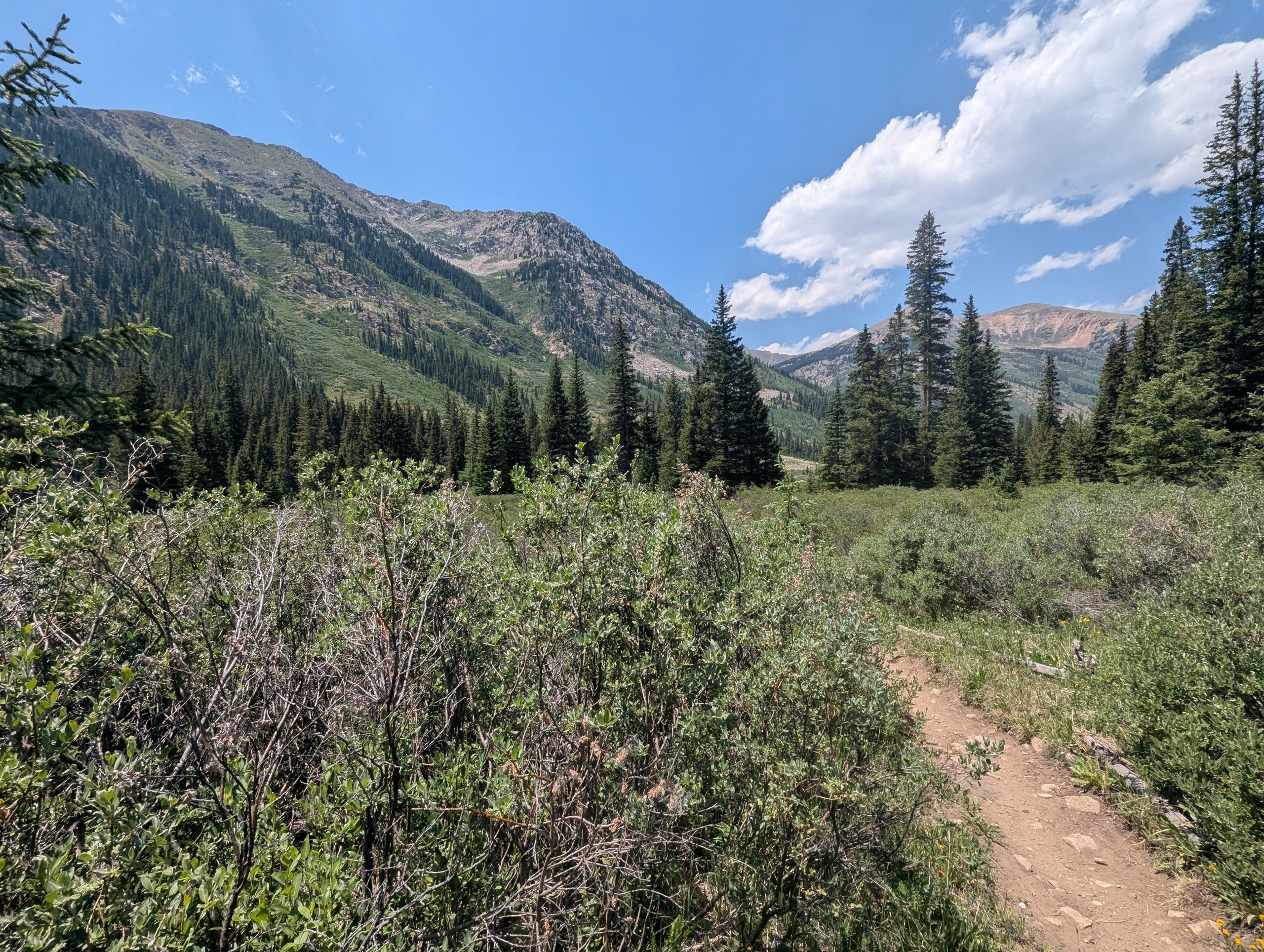
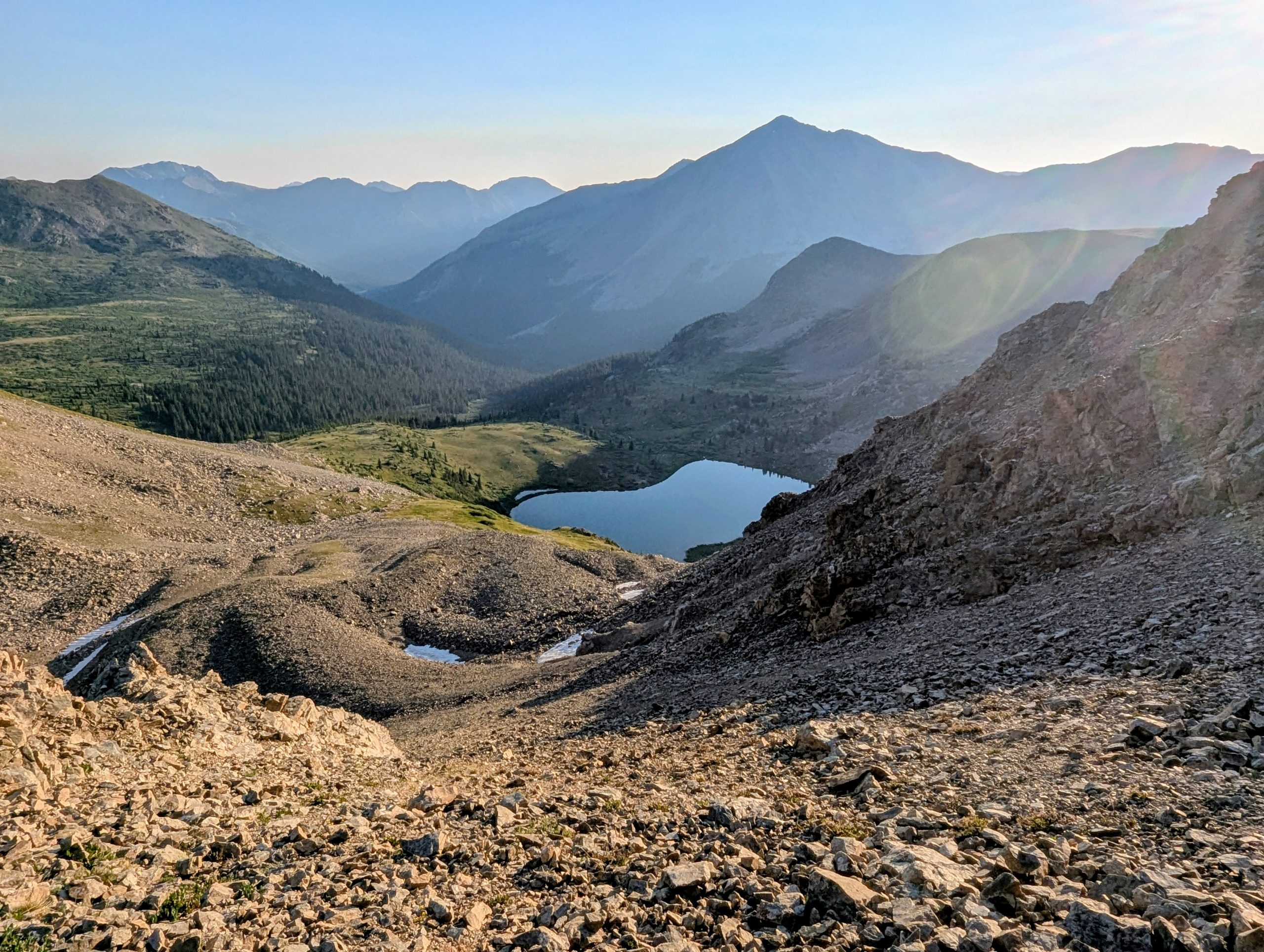
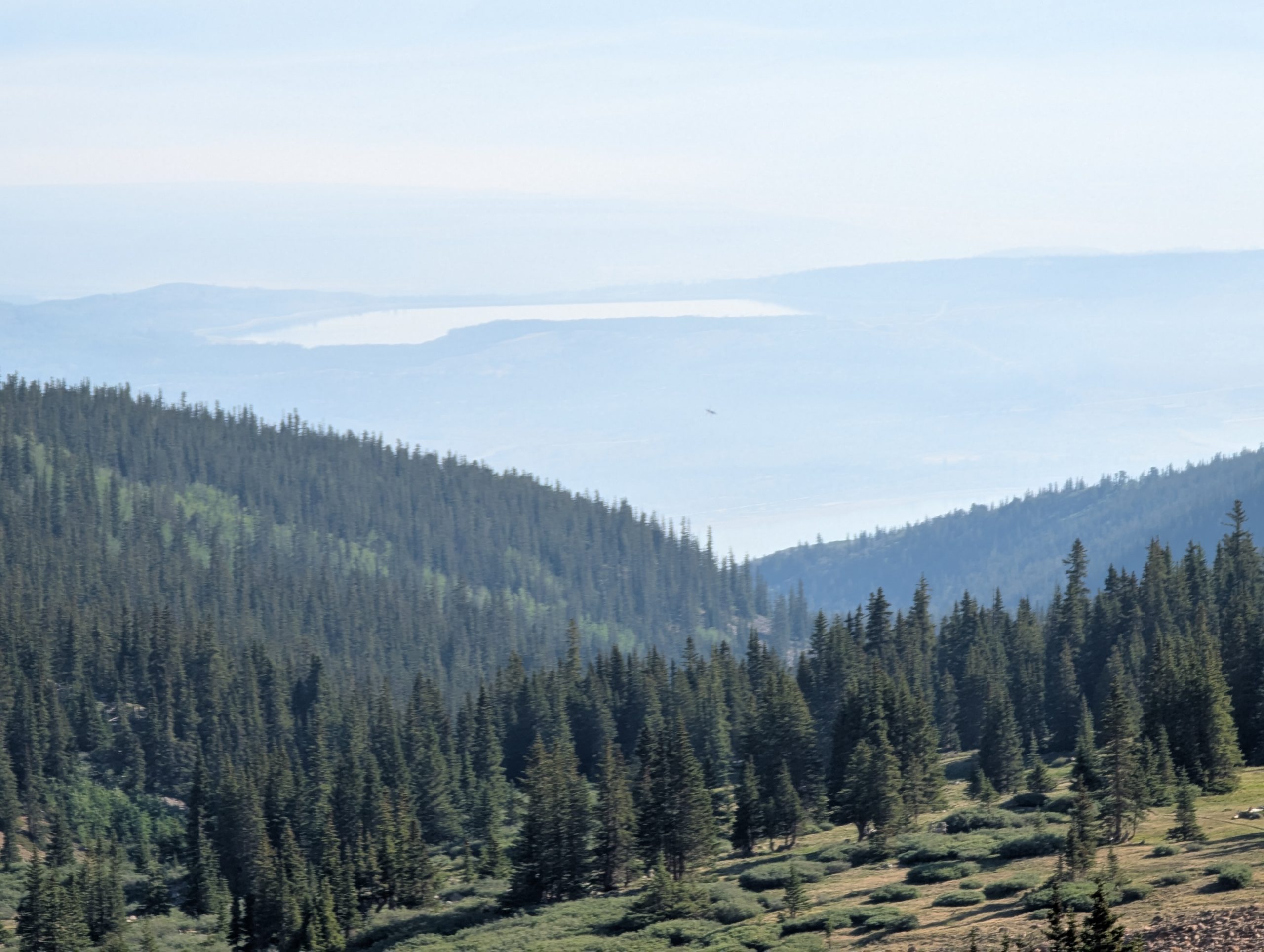

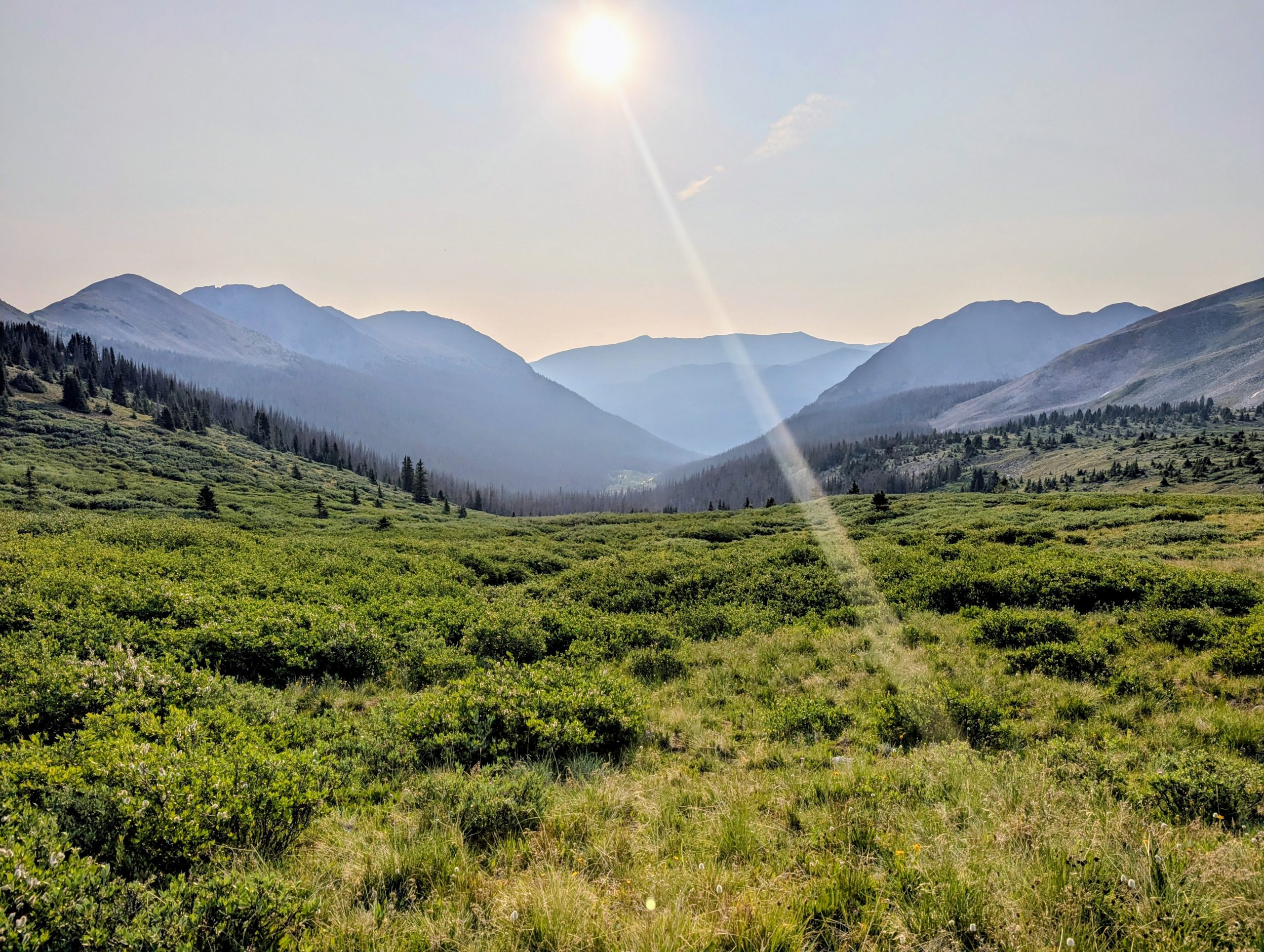
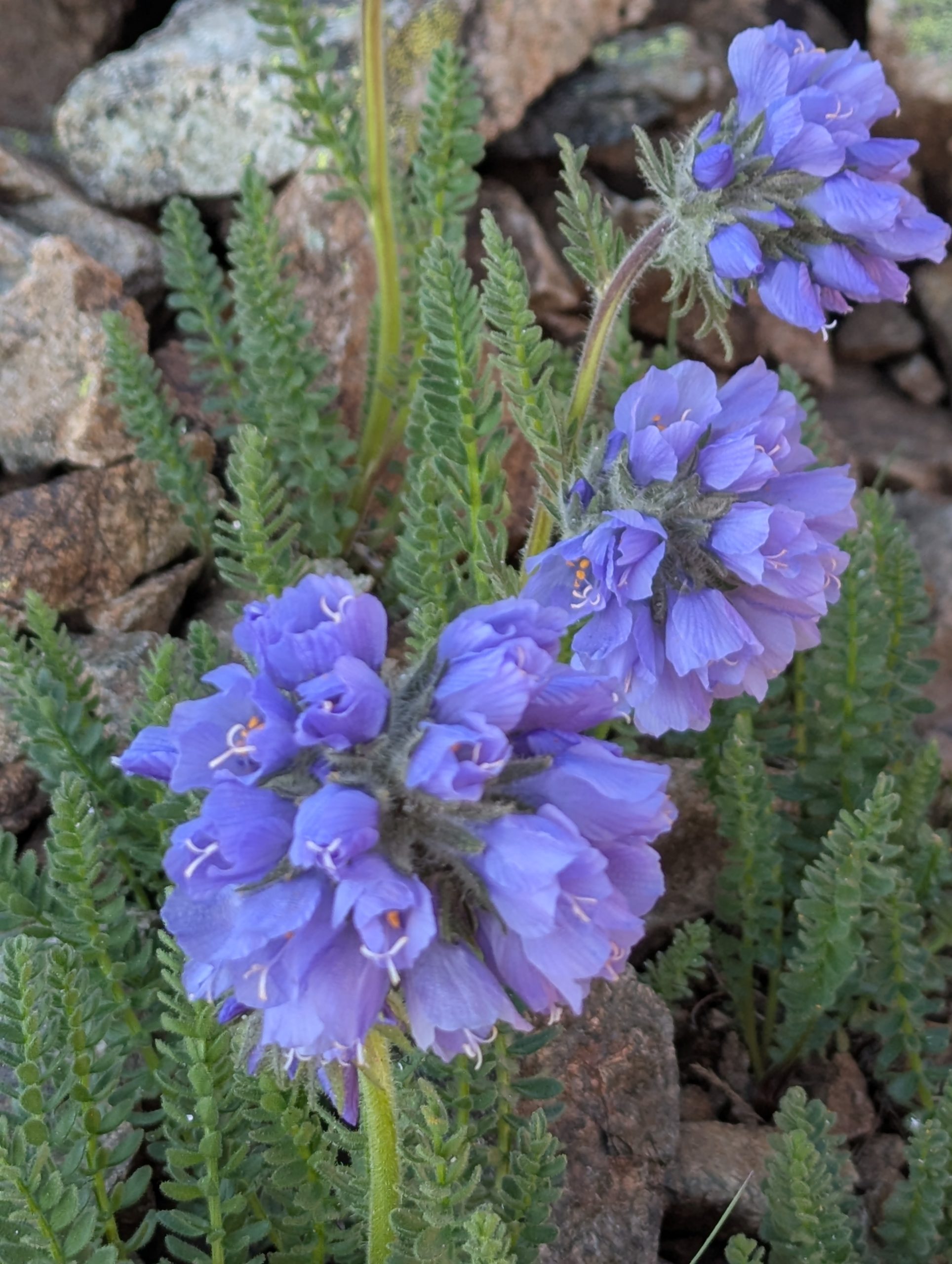


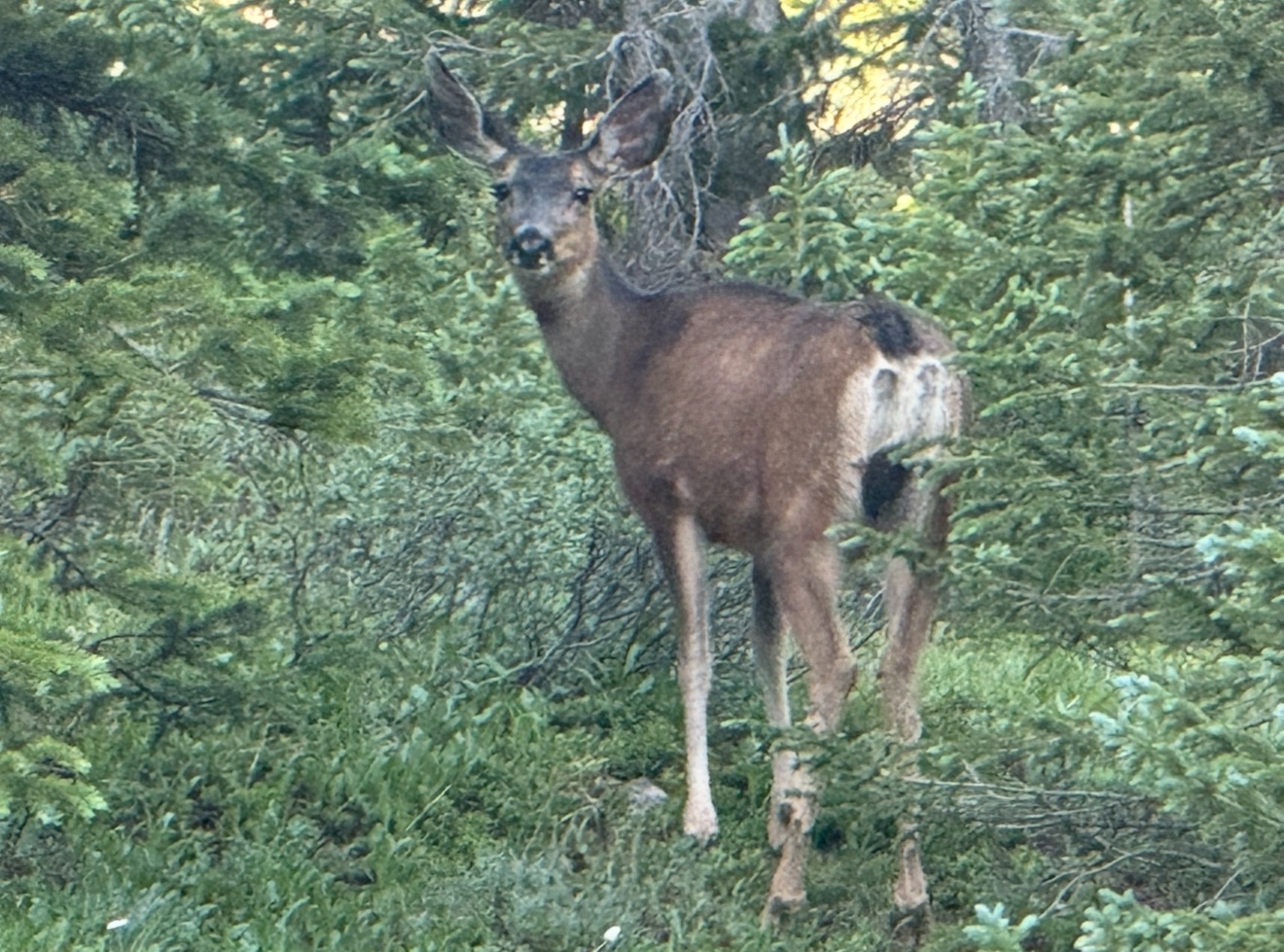

Thanks for listening.
This website contains affiliate links, which means The Trek may receive a percentage of any products or services you purchase using links in articles or advertisements. The buyer pays the same price they would otherwise pay, and their purchase helps support The Trek’s ongoing goal of bringing you quality backpacking information and advice. Thank you for your support!
For more information, visit the About page of this site.



/https://tf-cmsv2-smithsonianmag-media.s3.amazonaws.com/filer_public/f9/18/f9188b50-57ac-41f6-b2ee-7950a7407a6a/07sci-torifune-lmpq-superjumbo.png?w=100&resize=100,75&ssl=1 "Nuevas imágenes revelan que este asteroide son en realidad dos rocas espaciales que se fusionaron para formar un objeto con forma de frijol llamado ‘binario de contacto’
|")


