

Ounces add up to pounds! Carrying less weight is the main goal when deciding on my gear, while still being comfortable and safe, of course!
Next month we will begin our LASH Great Divide Trail (GDT) (“LASH” is hiker slang for “long butt section hike” 😆). In our case, as noted above, we will be tackling exactly half of the 1100km trail, which connects the US border at Waterton Lakes National Park to Field, BC.
With a few hikes under my belt, gear decisions aren’t as difficult or important as they were before the PCT. However, different conditions (trail, weather, elevation, etc.) require some adjustments to the chosen elements. For the “Big Three” (tent, backpack, and sleeping system), I’ll be bringing some new, reliable items.

The big three
The new one: I previously, and very happily, used a Zpacks Duplex tent which I still love. Trekking pole tents use the walking poles you already bring to support the tent, eliminating the need for separate poles. The Duplex is a 2-person tent that uses two trekking poles, creating plenty of headroom.

However, I had some concerns about the dogs paws on the DCF floor in the Duplex. It’s durable, sure… but I don’t want to deal with holes in the floor 😳 So we’ll be using a new Durston X-Mid Pro 1 tent on this trip.
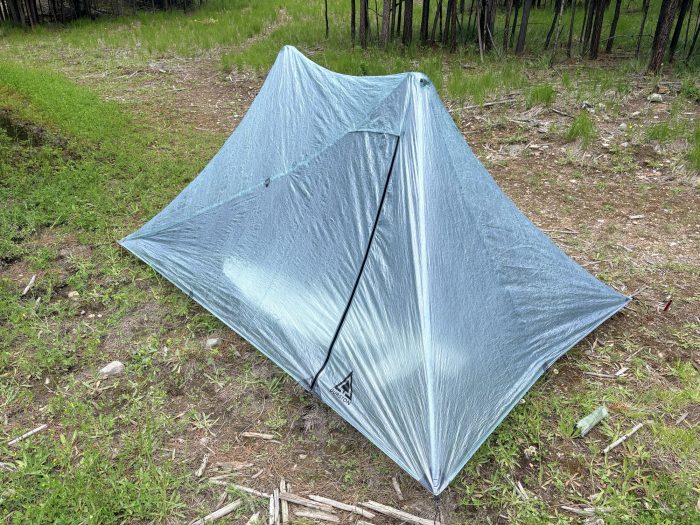
With a personal connection to Dan and following his brand and products like a cult (because they are so good), it was only a matter of time until I joined the cult 😁
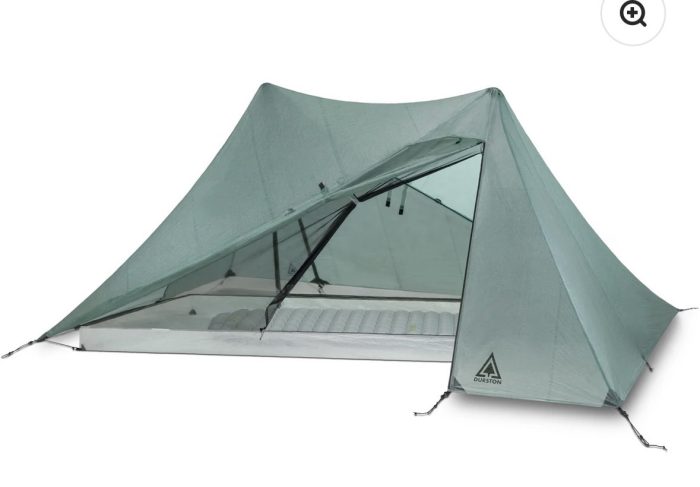
The X-Mid Pro 1 is a one-person DCF tent with the option of a woven (silnylon) floor, which is still waterproof but slightly more durable than the DCF. This way, I don’t have to worry about the dog’s paws and I don’t have to bring him booties. The tent weighs 485g/17.1oz and has an innovative design with plenty of headroom (2 poles) and plenty of vestibule space (two vestibules, two entrances, plenty of ventilation when open). The floor area measures 90”/2.3 m long and 32”/81 cm wide, giving the dog and human enough room to stretch out. I’m excited to try out this new tent on our test hike in Banff National Park at the end of July. Photos to come!
On cold or short hikes I sometimes carry inflatable mats, but they are susceptible to punctures, either from sharp objects below or above (e.g. dog paws). Once they leak, sleeping on them is pretty miserable. This is why I prefer CCF (closed cell foam) pads that simply unfold.
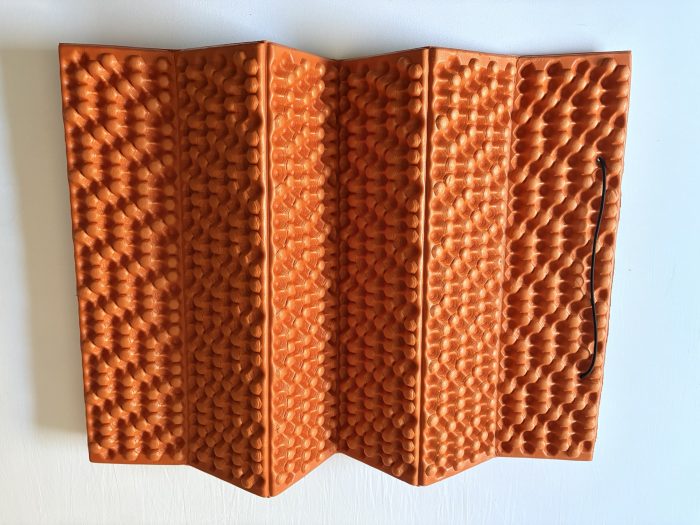
They are bulkier and a little heavier than lighter inflatable mats, but they always work. I’m of the opinion that you can train yourself to sleep on harder surfaces and in certain positions, so while a thin foam pad isn’t optimal for a lot of side sleeping, being on your back or front works well. You also don’t have the height of an inflatable mat, which means you don’t «fall» and are further away from the walls.
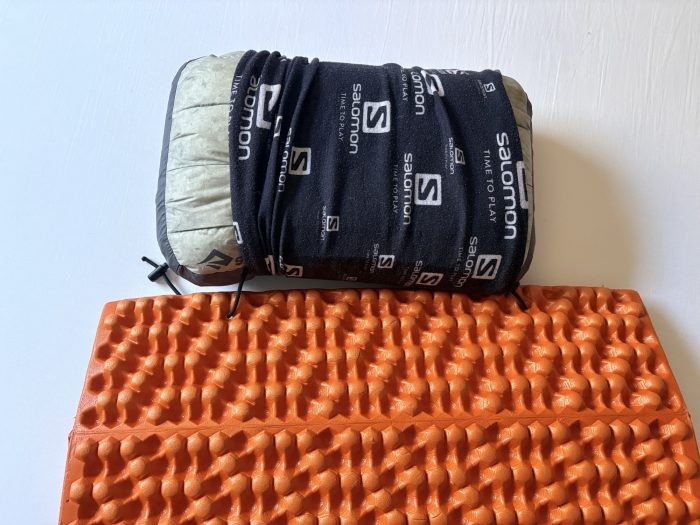
The R-value (warmth rating) of the CCF pad is not high, but it should work well for mid-summer hikes. I will have a short (120cm long) Nemo Switchback for myself, with a thin light below and another Thinlight for the dog. Since it’s annoying to chase a pillow around the tent at night, I created an attachment system for my Sea to Summit Eros Down pillow (which attaches to the foam pad with a drawstring, a drawstring closure, and a Buff over the pillow – see picture).
The dog will have a fleece jacket for the nights, which will make it easier to keep her covered. Also has a Ruffwear dog bed on top of my old Thinlite. I don’t expect the ground to be very cold but of course in the mountains the nights can be cold.
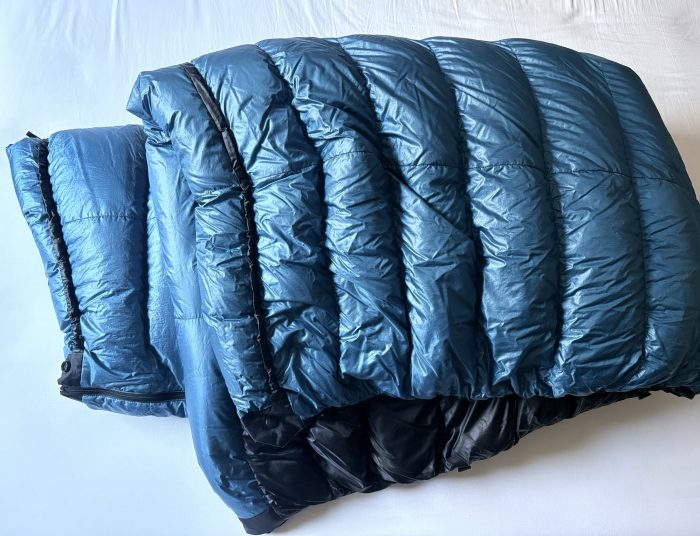
A no-brainer is my Katabatic Flex 22 quilt (weighs 22oz/630g) that comes on most of my trips. It is a reliable and high-quality companion. Weight is saved compared to using a sleeping bag by not having a bottom; When you lie down it does not provide heat. Instead, it uses a fastening system that keeps the quilt in place on the pad. I don’t plan on getting close to the comfort rating of 22F/-5.5C, but anything is possible in the mountains.
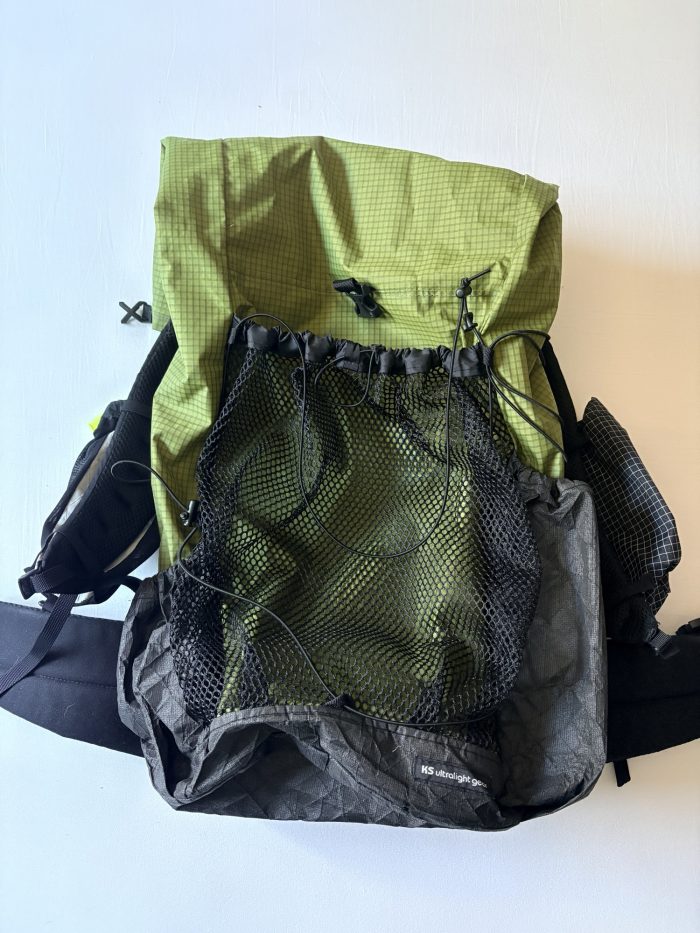
As for how I’m going to carry all of this and more: I’m a big fan of frameless backpacks, as I’ve tried internal frames before and find them uncomfortable and cause irritation on my back. I currently use a KS Ultralight 50 backpack (about 3 years). Laurent, the owner, makes backpacks in Japan that are almost completely customizable. It has done well so far and with my light load it should continue to do so. Once I have everything packed I will try to find out the weight.
Dog equipment
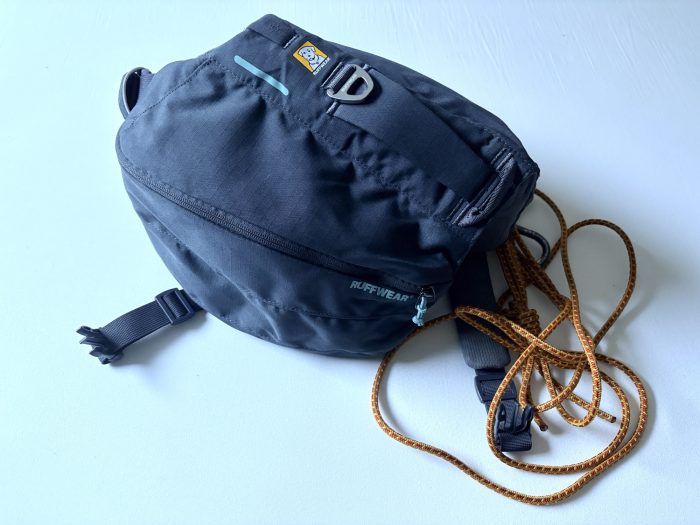
Ksanka will carry a tight-fitting backpack with some food or gear, whatever fits. While the weight carried is not that important, I have learned that it is essential to have a harness on the dog in case it needs to be carried over suspension bridges (with broken steps!) or through deeper water; Yes, he can swim, but he is not very tall or heavy (about 35 pounds), so sometimes it will be necessary to have a secure accessory to overcome these obstacles.
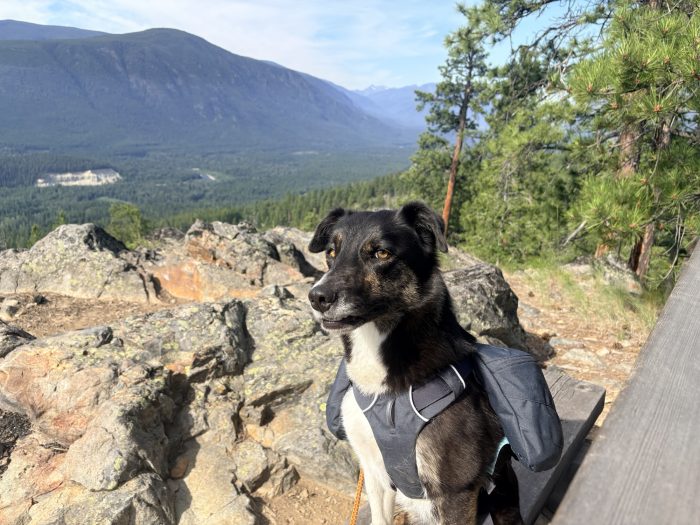
During the entire walk she will be tied to a leash attached to my hip belt. Parks require it and even outside of parks, it’s safer and easier to keep together. This has worked well so far in previous hikes.
Other equipment items
This time, many of the campsites will have bear lockers (no bear lockers required). But I’ll still bring my Ursack, which is a bear-resistant food bag that sticks to trees overnight. Inside will go all the food, toiletries and dog food.
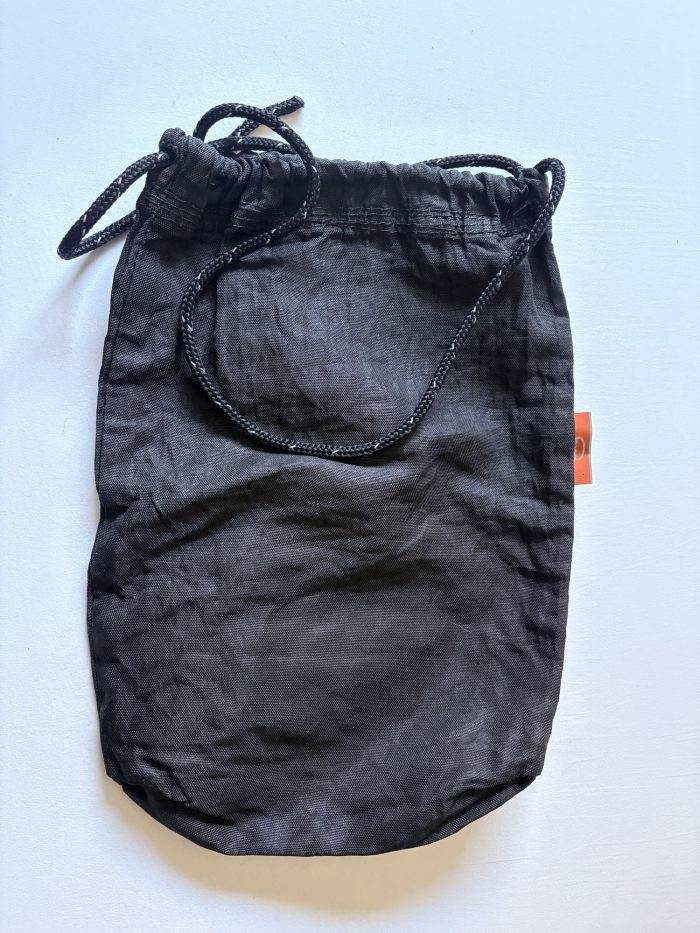
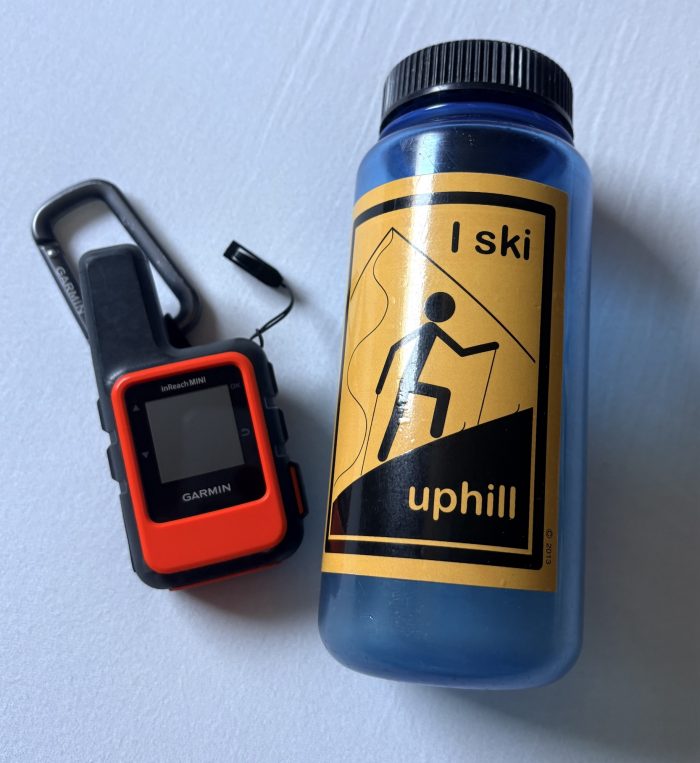
Also included: Leki carbon trekking poles, a Titanium Toaks 750ml pot, Soto Amicus stove, Sawyer Squeeze water filter with Evernew bladder and Smartwater bottles for carrying water, a Garmin inReach for sending log messages, and a fanny pack instead of hip belt pockets (I find it more convenient for carrying items you need during the day).
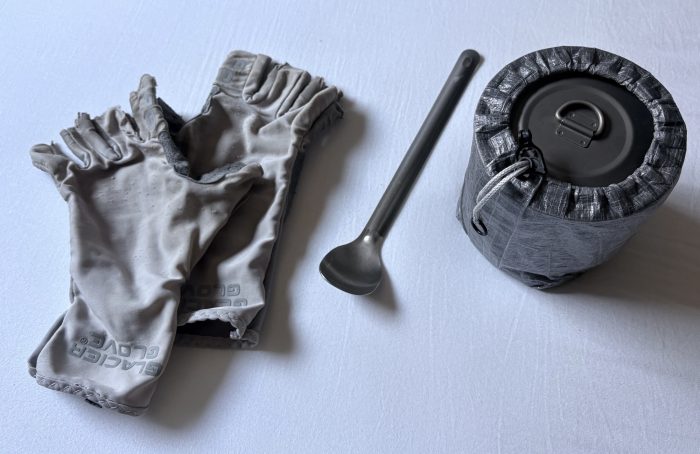
Luxury items… that is, the little extras that aren’t necessary: Kindle and a 400ml Nalgene bottle (which can shake up my breakfast (more on that in the next post) and also be a hot water bottle).
Feet
Footwear is a popular topic in backpacking circles. While I wore Altra shoes for years (wide toe, zero drop), I’ve now switched to Topo Athletic Pursuit trail runners. They have the same characteristics but are more durable; I recently took off a couple of 1500km walks and runs! So, with a new pair of Topo Pursuit socks and (ALWAYS) Darn Tough, I’m going out again this year. Of course, my Dirty Girl gaiters will also come (they keep stones and dirt out of your shoes).
Clothes
My typical “uniform” that has worked well in the past consists of long hiking pants, a Columbia button-down shirt, a Patagonia sports bra, a Sunday Afternoon hat, and sunglasses. Being mostly covered up, I only use sunscreen on my face.
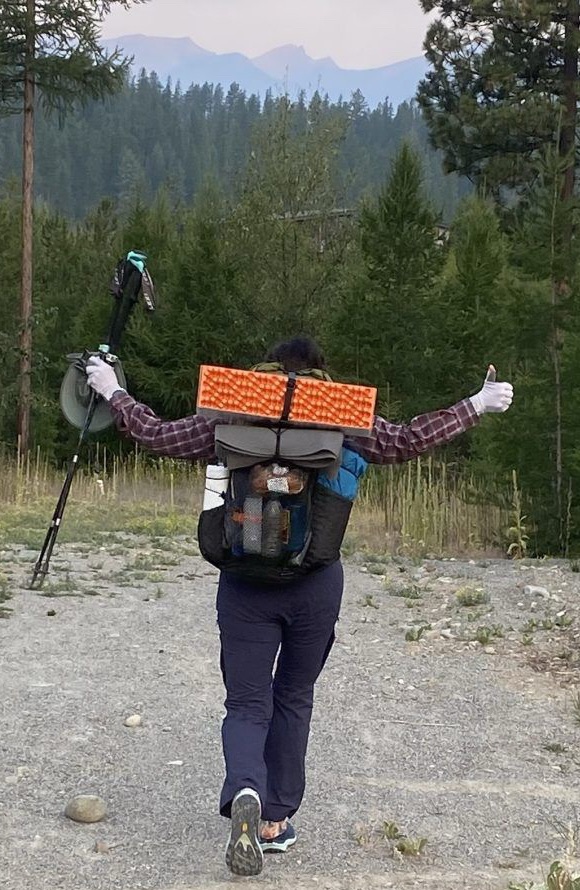
In addition to what I wear during the day, I will have extra socks, extra underwear, homemade alpha direct pants (ugly but cheap!), an ultralight alpha fleece (Norrona), a sun hoodie, a wool hat, wool-lined gloves, and waterproof gloves. My puffer jacket is an Enlightened Equipment Torrid (from the PCT), my rain jacket is an Arcteryx Beta SL. I use a rain skirt instead of pants (Enlightened Equipment Rain Wrap) and always carry a bug cap.
Did I forget something? If you have questions, send me a comment and I’ll answer them!
Many thanks to Dan Durston and Damian Counsel for answering my many questions about equipment, routes, weather and more for the GDT! 😍
Happy trails!
This website contains affiliate links, which means The Trek may receive a percentage of any products or services you purchase using links in articles or advertisements. The buyer pays the same price they would otherwise pay, and their purchase helps support The Trek’s ongoing goal of bringing you quality backpacking information and advice. Thank you for your support!
For more information, visit the About page of this site.
:max_bytes(150000):strip_icc():format(jpeg)/murder-suicide-070626-12f44edeafa640dc80a1f4e8d16de122.jpg?w=238&resize=238,178&ssl=1 "Padre que mató a sus dos hijos dejó un reguero de inquietantes mensajes a su ex antes de su asesinato-suicidio")



:max_bytes(150000):strip_icc():format(jpeg)/murder-suicide-070626-12f44edeafa640dc80a1f4e8d16de122.jpg?w=100&resize=100,75&ssl=1 "Padre que mató a sus dos hijos dejó un reguero de inquietantes mensajes a su ex antes de su asesinato-suicidio")


:max_bytes(150000):strip_icc():format(jpeg)/Carole-Middleton-Pippa-Matthews-Kate-Middleton-070626-3-5fbc9dee6a2e49ee8e81fe93933ec9c9.jpg?w=100&resize=100,75&ssl=1 "La madre de Kate Middleton, Carole, y su hermana Pippa asisten a Wimbledon mientras Royal sale a 7 millas de distancia")

