

This is a guest post brought to you by Adventure Scientists. Adventure Scientists offers AT and PCT hikers the opportunity to contribute to real forest research, and eligible hikers can apply for mini-grants of up to $500.
No one accidentally ends up walking for months on a long-distance trail.
Most people don’t wake up one day and hike the AT or decide on a whim to hike hundreds of miles on the PCT. Getting there requires time to plan, find the equipment, develop some form of fitness and stamina, and reorganize your life and commitments.
It’s not easy; That’s part of what makes hiking (or even sustained backcountry travel) what it is.
It also puts you in a place that most people never go.
Not only physically, but in terms of access. You’re moving over remote ridges and forests, burned areas, alpine basins—places that are harder to reach, harder to study, and often missing from the data sets that researchers and land managers like the U.S. Forest Service rely on.
Which creates an interesting disconnect: hikers, the people best positioned to get to these places, usually aren’t the ones collecting data, but they can be.
This summer, Adventure Scientists is offering Adventure Mini Grants between $250 and $500 for AT and PCT hikers who want to turn their miles into real conservation impact.
Photo by Kyle Moon courtesy of Adventure Scientists
Where hikers and conservation impact overlap
Adventure Scientists, a 501(c)3 nonprofit that collects hard-to-collect field data to advance conservation solutions, saw that disconnect as an opportunity. For more than 15 years, they have been working with researchers, land managers, and conservation organizations who need field data from landscapes that are too remote, too large, or logistically impossible to reach, and then connect those needs with people skilled enough to get to those places.
They have reached the highest vegetation known on the slopes of Mount Everest; connected backcountry skiers and snowboarders to track threatened tree species that are critical to the stability of slopes and snowpack; and amassed one of the largest and most diverse global microplastic pollution data sets to date, which is being used by companies, governments and individuals to limit plastic waste.
They take advantage of hikers and outdoor adventurers who know how to plan, navigate, and move through the backcountry for days or weeks at a time, who are comfortable being on the trail or in the woods, and who can get this incredible data about the trips they’re already planning.
In other words, people like you.
This type of job works because of the skill set that outdoor explorers bring. Consistently covering long distances, handling variable conditions, and paying attention to your surroundings in a natural way after enough miles translates incredibly well to certain types of field data collection, especially when the work must be done away from roads, laboratories, or easy access points.
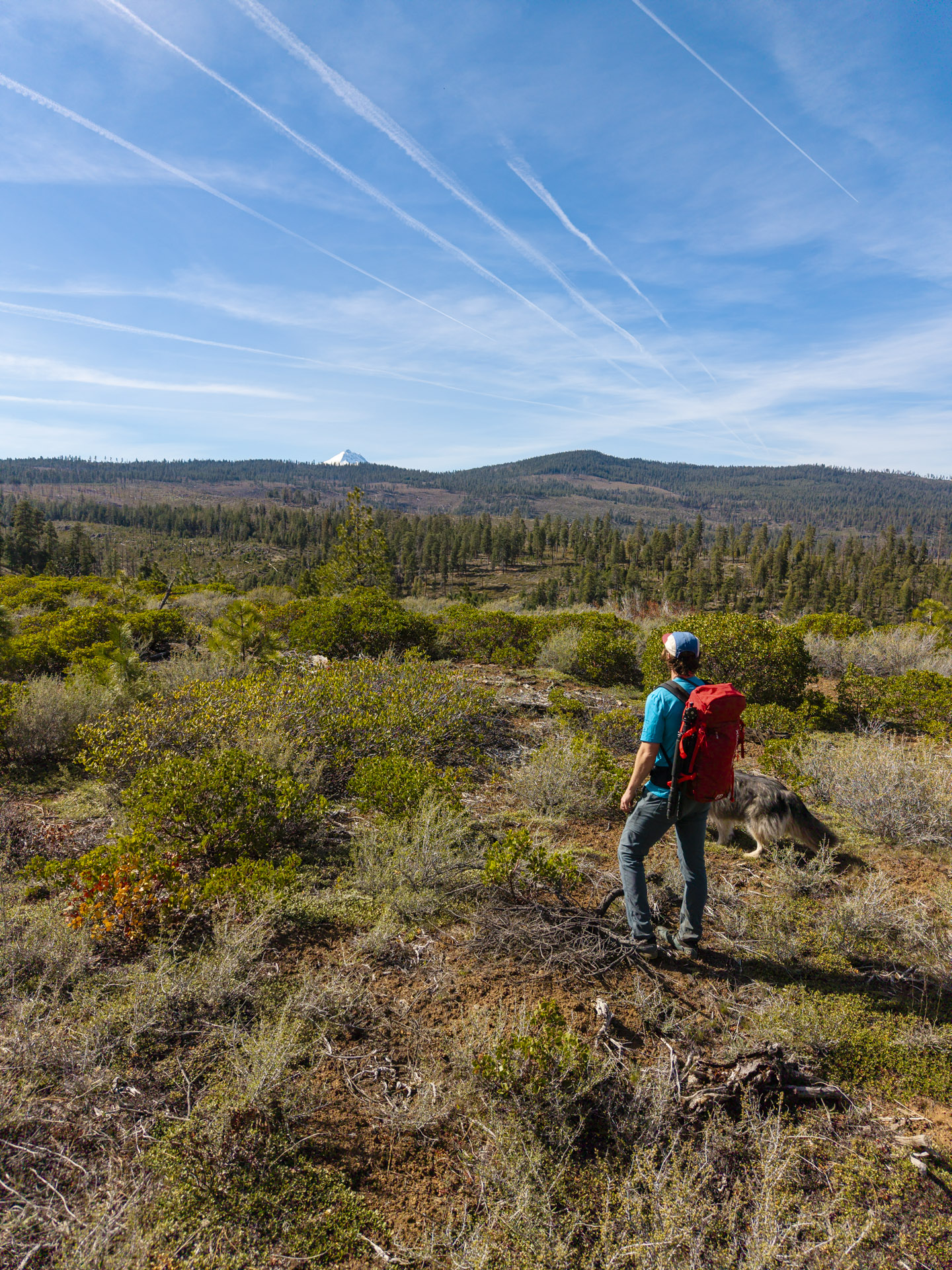
Photo courtesy of Adventure Scientists
Opportunities to suit the walks you are planning
If you have plans this summer along the Pacific Crest Trail or Appalachian Trail, there are a couple of projects worth keeping an eye on:
Pacific Crest Trail and Northwest Forest Biodiversity
Along the PCT and in the forests of Washington, Oregon, and California, hikers carry passive recording devices to lands designated for the National Forest and Bureau of Land Management. These devices capture wildlife sounds over long periods of time, helping U.S. Forest Service researchers better understand how threatened and endangered species use ancient, intact forest ecosystems. The resulting data fills critical knowledge gaps and informs decisions about forest management, habitat protection, and access to recreation.
Using detailed quality assurance plans and providing training for each project, the data collected by volunteers is scientifically rigorous, research quality and reliable. Federal and state agencies, nonprofit organizations, universities, and research institutions use this information to guide real-world conservation actions and decisions that directly shape how Pacific Northwest landscapes are protected and managed.
Pacific Crest Trail Projects PCT Adventure Mini-Grant Application
Forest health and resilience along the Appalachian Trail
Forests across the country are facing increased pressure from disease, pests, drought and extreme weather conditions. The future of our forests will depend on genetic resilience: the rare and naturally resilient trees. Finding those trees is a challenge, stretching across millions of acres, but it’s also one of the most hopeful frontiers of conservation today. Forest genomics (understanding tree diversity) can help land managers restore forests that will be better suited for the future.
Adventure Scientists is allowing hikers, especially in Appalachia, to play a direct role in protecting the forests they love.
Through hands-on, community-driven opportunities designed for people who already spend time outdoors, you will receive training to help locate trees, specifically beech and hickory, that continue to thrive despite increased environmental stress. These discoveries inform genomics-based restoration work on seed sourcing and long-term reforestation strategies conducted by the U.S. Forest Service and researchers at the University of Connecticut, Purdue University, and the Morton Arboretum.
Appalachian Trail Projects AT Adventure Mini Grant Application
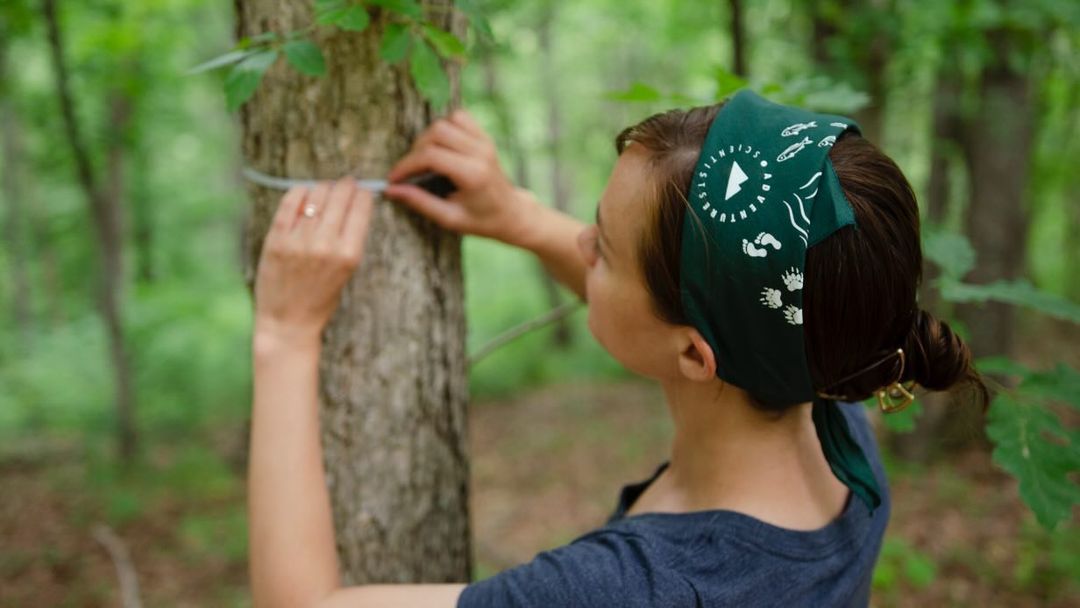
Photo by Cory Crouser courtesy of Adventure Scientists
It doesn’t change your trip, but it changes the impact
You’re still navigating your route, dealing with the same climbs, weather, logistics, and long days. That part doesn’t change, but it adds a layer of connection to the landscapes you’re exploring.
Instead of just moving around a place, you also pay attention in a slightly different way. Pause when it matters, record something that would otherwise go unnoticed, and contribute a small piece of information that becomes a big, valuable data point when combined with thousands of others.
Adventure Mini Grants (up to $500) to offset your costs and give back simultaneously
Adventure Scientists is offering a limited number of mini-grants to AT and PCT hikers this summer (up to $500 per hiker). All applicants must apply for a project first; Once approved, you will be eligible to apply for a mini grant.
Grants will be selected on a rolling basis until June or until all spots are filled.
Add Conservation Impact to Your Hikes This Summer
If you have a trip planned, it’s worth checking to see if any Adventure Scientists projects overlap with where you’ll be, because at this point, you’ve already built the part that matters most: the ability to get out in the first place.
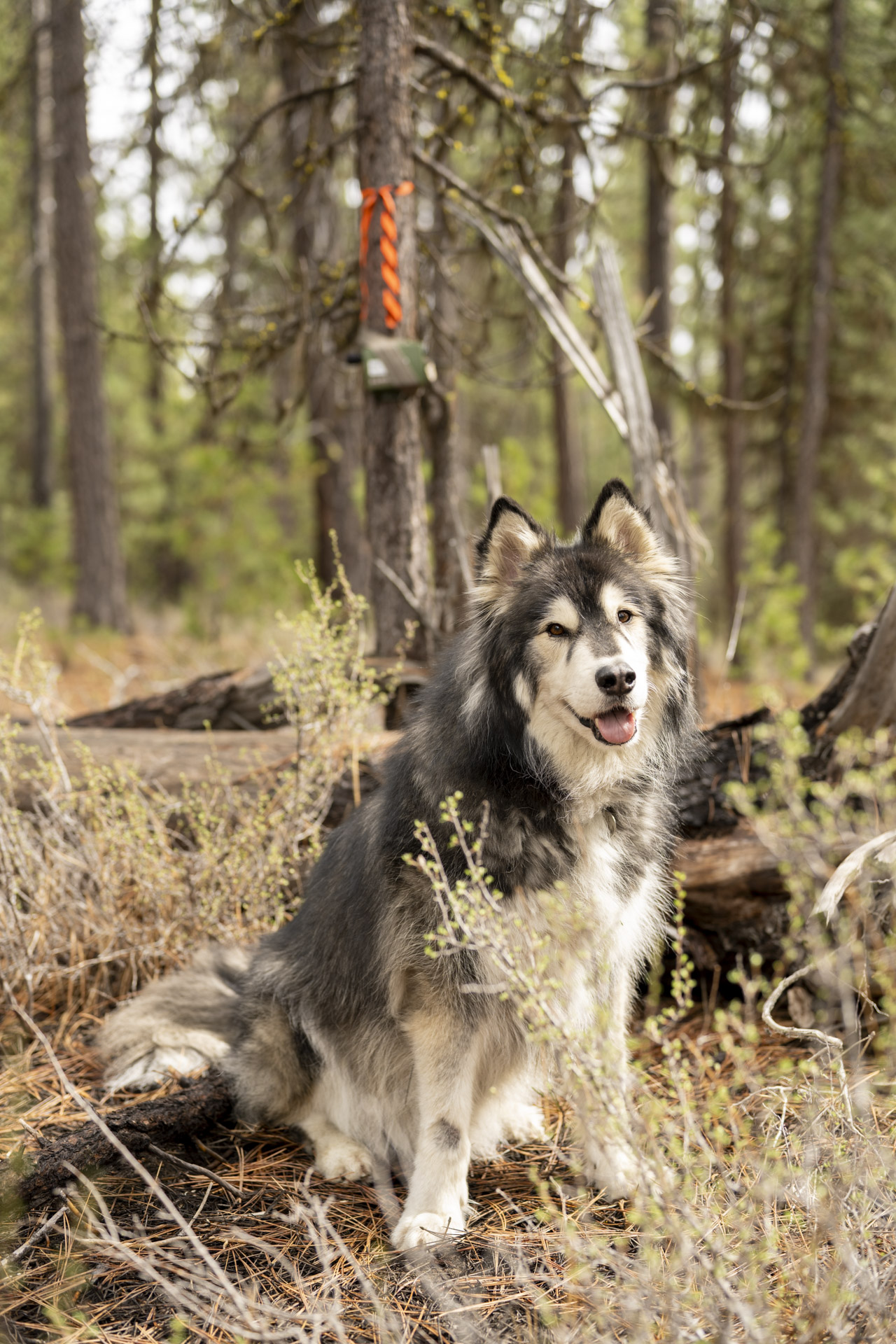
Photo courtesy of Adventure Scientists
About the author
crissy Very is an avid supporter of giving back to the natural world that sustains us, working at the intersection of science and adventure and helping to connect more people with meaningful ways to interact with nature.
She works with outdoor organizations, such as Adventure Scientists, where she leads growth, storytelling, and partnership initiatives in conservation and outdoor recreation. Based in Pennsylvania, he spends as much time as possible exploring trails, including the AT, and connecting others to purpose-driven outdoor experiences.
Featured photo of Acacia Fike-Nelson courtesy of Adventure Scientists

:max_bytes(150000):strip_icc():format(jpeg)/meghan-markle-prince-harry-daughter-060426-58226bee5b42494683998559aa8b4864.jpg?w=238&resize=238,178&ssl=1 "Todo sobre la princesa Lilibet, la hija de 5 años de Meghan Markle y el príncipe Harry")


:max_bytes(150000):strip_icc():format(jpeg)/meghan-markle-prince-harry-daughter-060426-58226bee5b42494683998559aa8b4864.jpg?w=100&resize=100,75&ssl=1 "Todo sobre la princesa Lilibet, la hija de 5 años de Meghan Markle y el príncipe Harry")


/https://tf-cmsv2-smithsonianmag-media.s3.amazonaws.com/filer_public/f0/8f/f08ff075-94f1-418b-8414-e0a904951632/roman_ring_2.jpeg?w=100&resize=100,75&ssl=1 "Vea el ‘espectacular’ anillo de oro y piedras preciosas que los romanos probablemente enterraron para su custodia hace 1.700 años
|")


