

Traveling the longest distance I thought imaginable meant I had to think seriously about planning my usual trip. The typical mindset is to pack enough supplies to get you through the route you’ve planned, with a little extra in case of emergency, and survive until you get back to your base/car/hotel. My mindset is to enjoy the trails, but get back to normal after a few days.
Staying on the road for five months requires a different approach, since the normality now is to be in nature, with only occasional stops in civilization. You need to carry everything you need with you, so take a critical look at each and every piece of the kit to see if it meets the requirements.
Lightweight versus ultralight
I’ve always tried to keep my gear light (who needs to carry more weight than necessary?) while still having everything I need for any situation. This meant I stumbled upon ultralight gear almost by accident, where modern materials and designs mean you can actually reduce the weight, but increase the cost! However, the key difference is in the minimalist approach to everything. The easiest way to reduce the weight of an item is to simply not bring it, and if you can get by without it or with a lighter alternative, then you are on your way to reducing the weight of your backpack to something more manageable.
Through a process of swapping items and removing others, I lowered my base weight (that’s everything except consumables like food and water) to 15 pounds (less than 7 kg) while still keeping some safety items like a proper first aid kit, a survival bag, and bear spray. I was also able to add a couple of «luxury» items (more on this later).
Food, glorious food
There is a careful balance between reducing the weight of the food you carry and having enough nutrients and calories to keep you energized for a sustained period of time. You also need to enjoy what you’re eating! I decided on a rotation of 2 different breakfasts (granola + powdered milk and porridge) and 3 different dinners (tuna + couscous, chicken + ramen, and freeze-dried backpacking meals) plus nuts + banana chips as I walked throughout the day. I also have a proper cup of Yorkshire tea at the end of each day! Top this off with vitamin supplements and you’ll have a balanced diet that I think I can maintain.
Replenishment
The CDT is one of the most remote routes in the US and the trail passes through very few towns along the way. There are several towns within a few kilometers of the trail, which you can reach by adding a few kilometers or looking for a hookup. Even these cities are quite small and have limited options for resupplying food.
I opted for the option of having resupply boxes mailed to me, which can be kept at each post office until you arrive, and this means that an additional kit or replacement items can also be mailed to me.
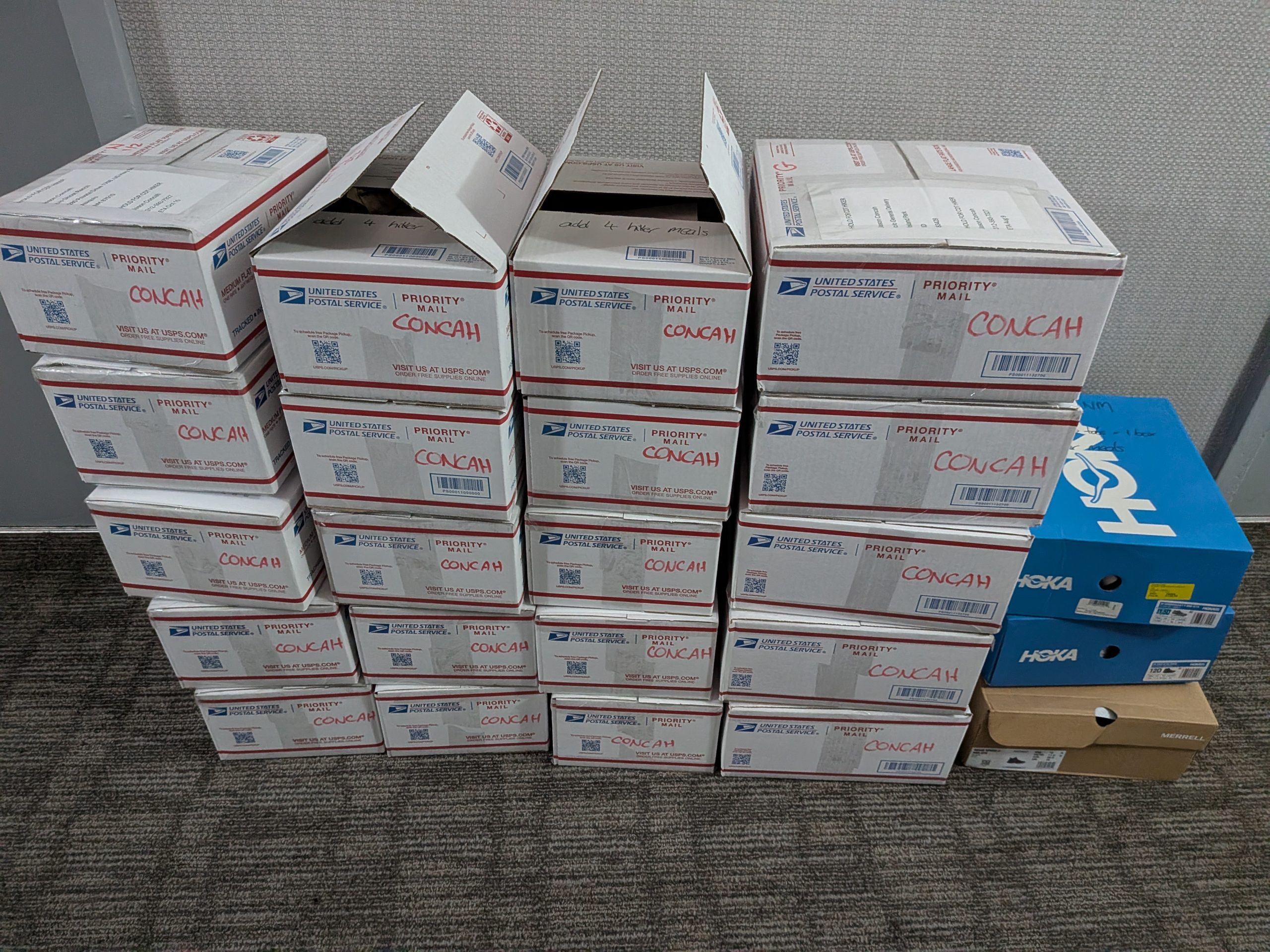
Routes and maps
The last piece of the puzzle is determining exactly where I’m going. The CDT is not so much a single, well-defined path, but rather a collection of possible trails that you can put together to create your own route. This gives you a lot of flexibility, but also means you need to navigate each area. I like to use a combination of GPS watch, paper maps and compass, but this means a lot of maps!
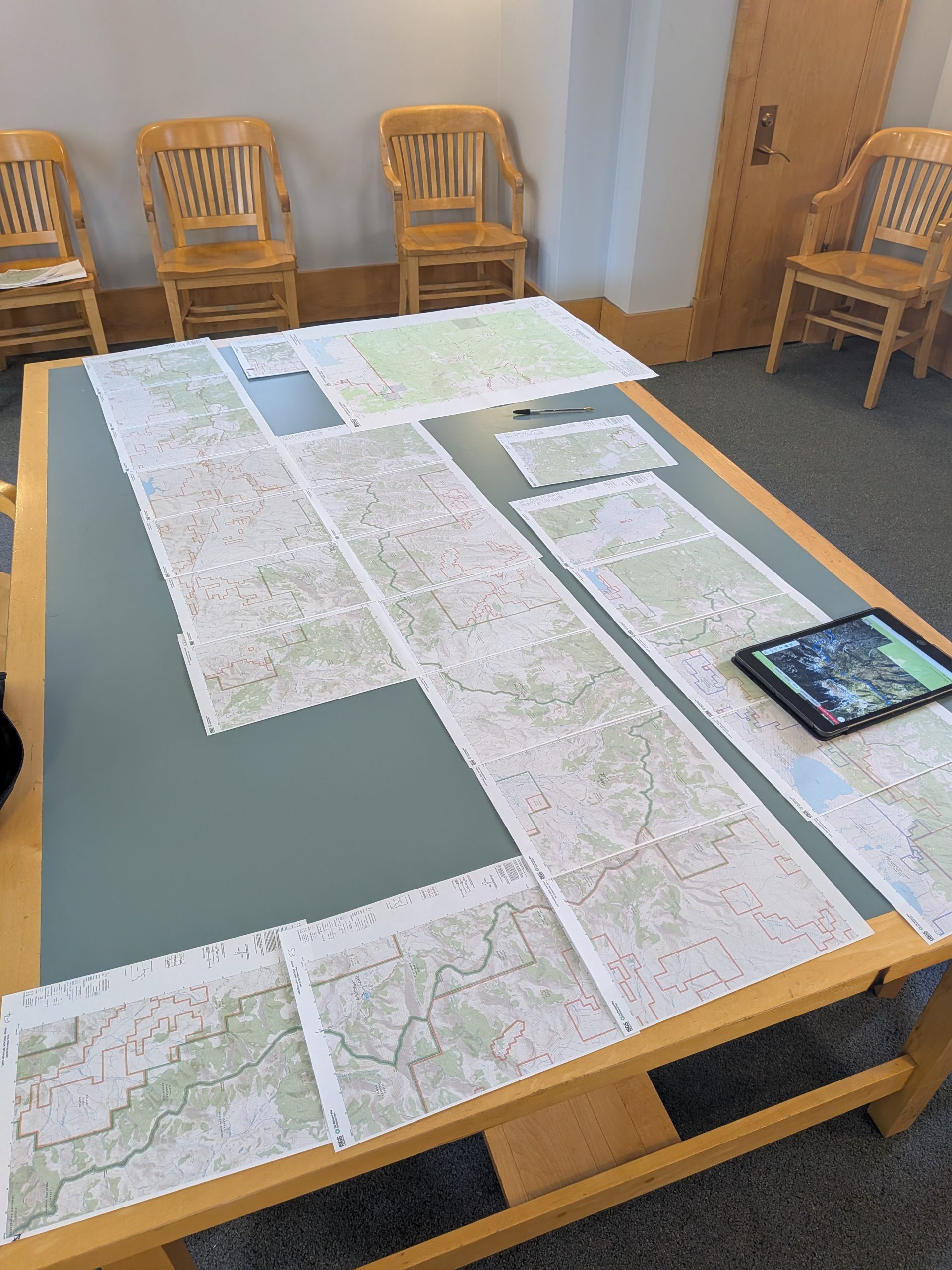 This is just a small section that covers 7 days.
Many thanks to the Chicago Public Library, which has an incredible resource of maps covering every square mile of the US at a scale of 1:24000. Combining this with the CDT guide means I have the entire path mapped out ahead of me. Of course, things may change as my plan will have to adapt to the weather, wildfires, trail closures, and my pace, but at least I know the challenges that await me.
This website contains affiliate links, which means The Trek may receive a percentage of any products or services you purchase using links in articles or advertisements. The buyer pays the same price they would otherwise pay, and their purchase helps support The Trek’s ongoing goal of bringing you quality backpacking information and advice. Thank you for your support!
For more information, visit the About page of this site.


:max_bytes(150000):strip_icc():format(jpeg)/bees-swarm-truck-crash-062226-1a-5fd900463ab74a2eaccff4fca826e333.jpg?w=238&resize=238,178&ssl=1 "Millones de abejas invaden la carretera de Texas después de que volcara un camión de 18 ruedas que transportaba varias colmenas")


:max_bytes(150000):strip_icc():format(jpeg)/bees-swarm-truck-crash-062226-1a-5fd900463ab74a2eaccff4fca826e333.jpg?w=100&resize=100,75&ssl=1 "Millones de abejas invaden la carretera de Texas después de que volcara un camión de 18 ruedas que transportaba varias colmenas")