

I have reached Kennedy Meadows, the official end of the desert section of the PCT. I have enjoyed the desert. It has been very different from what I expected. Not much has happened since my last blog: I rafted down some class IV rapids, zeroed in, and walked around in a daze for 2 days. Since I haven’t written much about desert terrain, I thought now would be the right time to do so.
Temperature changes
It has been a cold year, despite the little snow in the mountains. There hasn’t been much reason to nap outside of a heat wave. Temperatures would normally reach 20 degrees Celsius at midday and drop to 10 degrees Celsius at night. Of course, the best times to walk are sunrise and sunset; It is also the most beautiful.
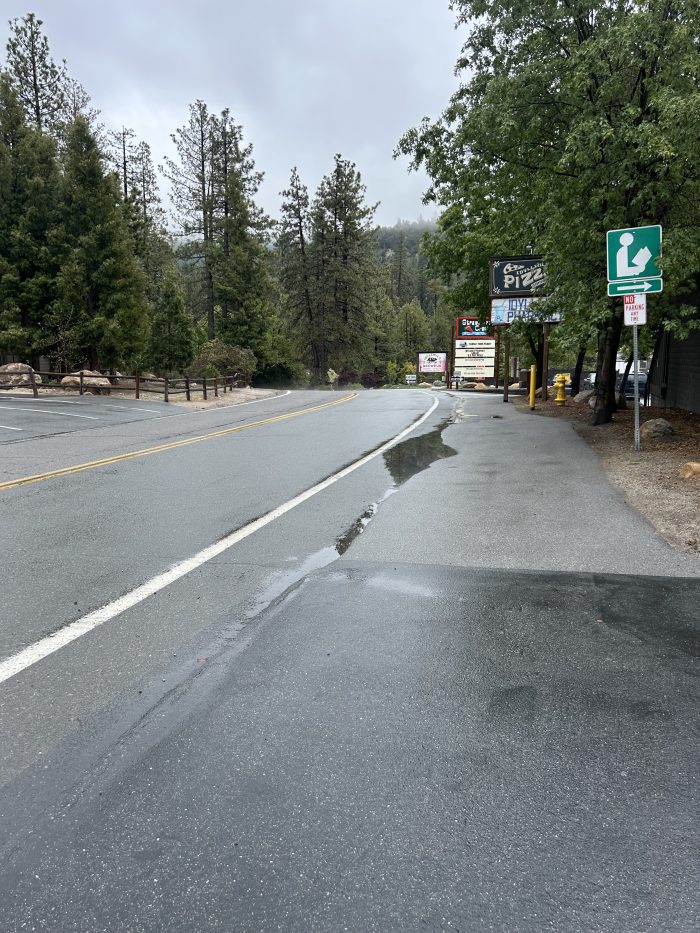
Cold weather brought rain to Idyllwild
Flora and Fauna
Despite being called a desert, the amount and variety of life here is incredible. There are amazing amounts of flowers, nuts and fruit plants. There are pines, Joshua trees, cacti of all kinds, both thorny and soft bushes. But also dangerous plants like tall grasses full of ticks, poison oaks and poodle bushes.
And the animals. There are more lizards than I can count: short, long, yellow, blue, spiky and slippery. Snakes: rattles, rats, black and tan. Ants everywhere and of all kinds: red, black, big, small, hairy and painful. Birds sing at all hours of the day, from beautiful to horrible. With many mammals: mice, chipmunks, squirrels and gray foxes.
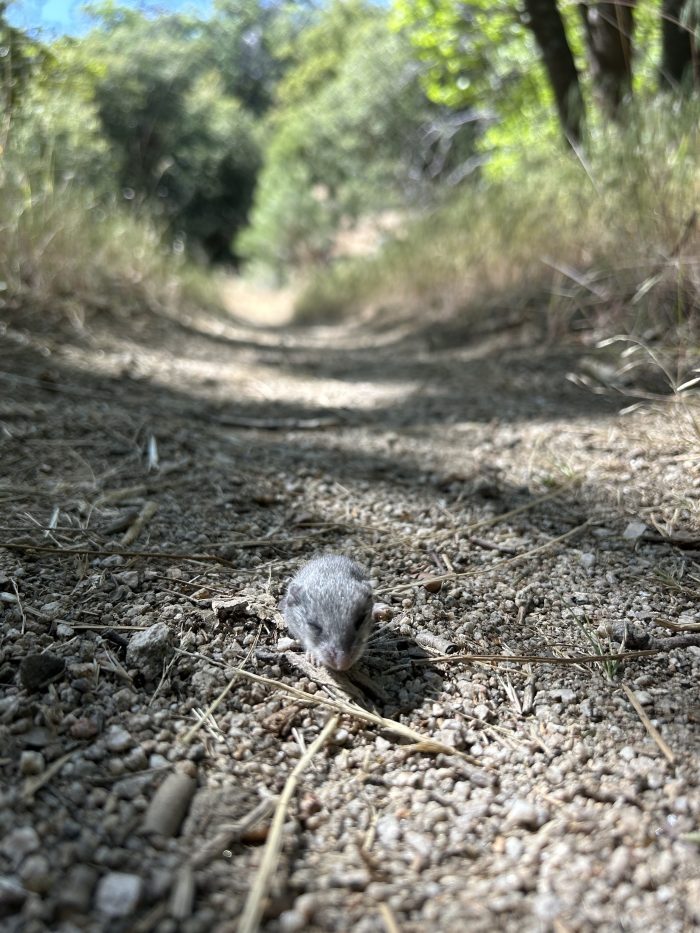
One of my favorite photos so far.
It is rough and reaches everywhere
The most surprising part of the desert is the sand. There hasn’t been much dirt, despite how dirty everything still gets. But sand has a great variety of colors and textures. There’s the beach type, white and rough. Then there is a rust red that is hard and compact. A dusty andesite grey. Then a granite gray that is soft. And everything else.
What’s surprising is how stark the difference is. You cross one slope to another and it’s a completely different arena, without even a stream in between. The same mountain can have several different types on its slopes.
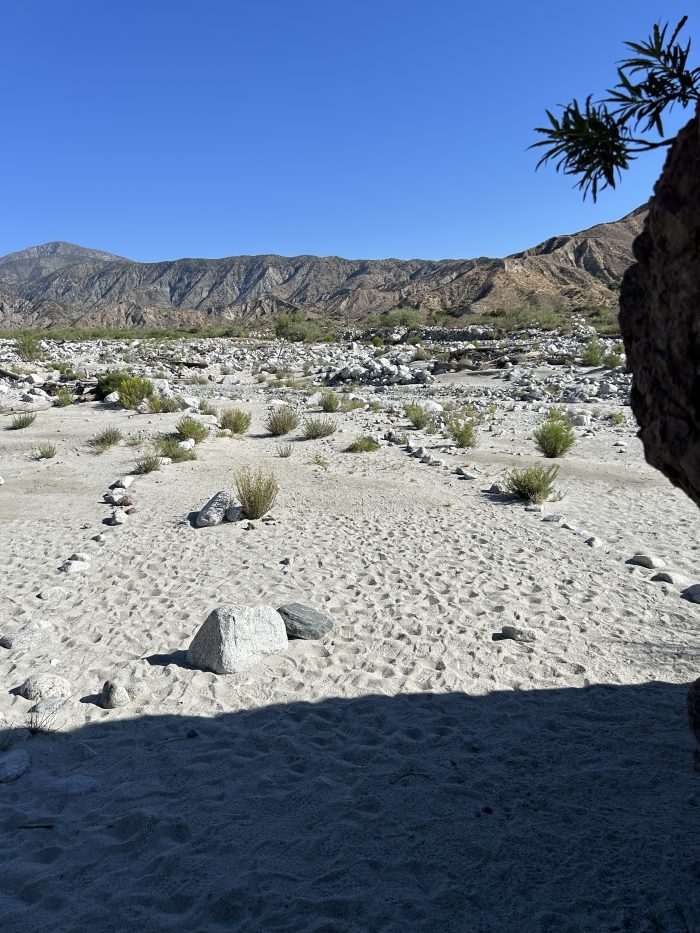
path
The road has been wonderful. It’s so gradual that you don’t even experience the rise. A minute will pass and suddenly I’m on top of the tree I was enjoying the shade of. And the path is well maintained, but the sides often grow into the trail.
And the trail winds surprisingly through steep canyons, hugging cliff walls, with great infrastructure to support the trail. The trail zigzags along the sides of the mountains to keep the slope constant, but not so much that it becomes bothersome. My only complaint is that it rarely makes it to the top of the mountains.
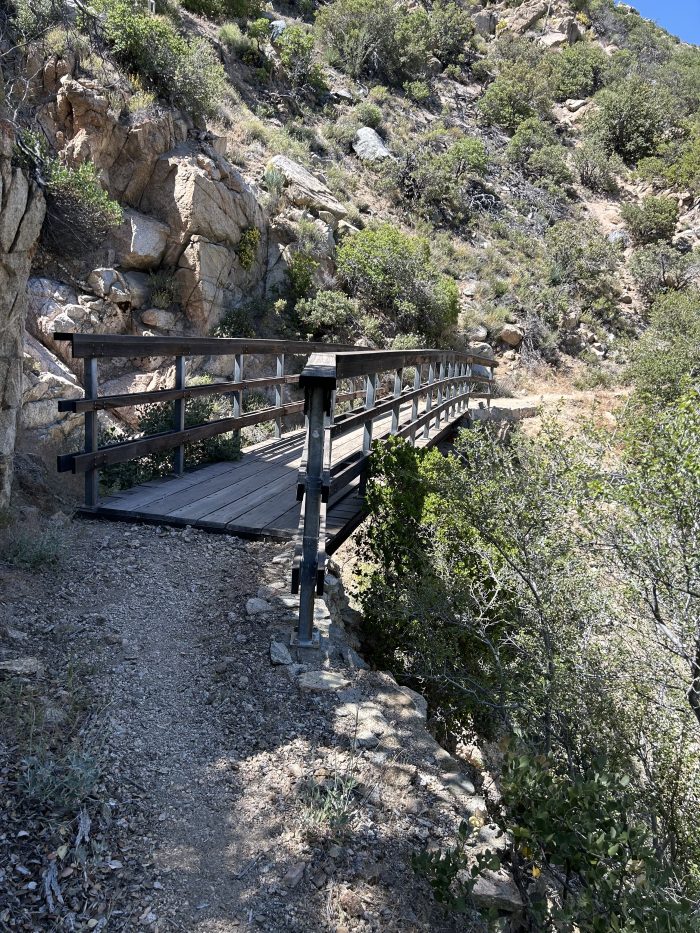
A much needed bridge in a very remote canyon
City experience
Each of the cities has been unique and interesting. Julian’s Wild West feel, all the way to the pine forest mountain town of Idyllwild. Kernville’s river design focused on Wrightwood’s fire and flood history. Most towns have what hikers need to continue at reasonable prices.
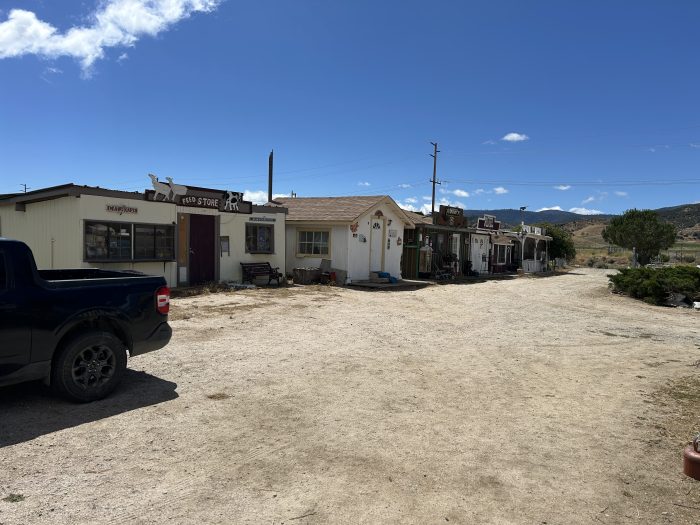
The “town” of the hiking town
hikers
Most of the hikers have been friendly and have quickly become friends. There are some bad actors, but there’s enough room to mostly avoid them. I keep meeting new people and people I haven’t seen since day one. Each one with their own way of traveling the path and their own agendas. It’s been fun to share a quick chat in a group chat with these people.
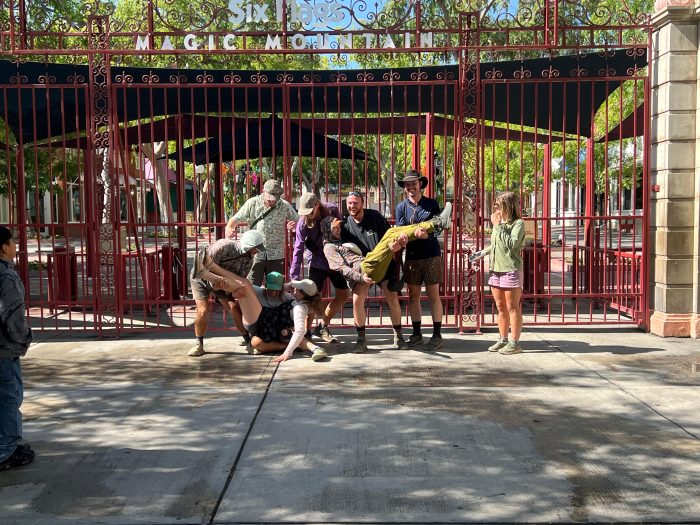
A silly photo with friends who are going badly
Meteorologist
The weather has been unique. There have been two storms and a cold snap, which brought cold weather and rain. But it is also very interesting to see the marine layer. It is a wall of clouds that crowns the mountains. Then you will cross that border, find lush pine forests, and cross back into a dense, sandy desert hillside.
The marine layer is occasionally crossed, but it is a clear, short gradient from green to desert tan. The PCT walks down the middle, the line between the true Mojave Desert and the California coast. It has been a geography lesson that I did not expect.
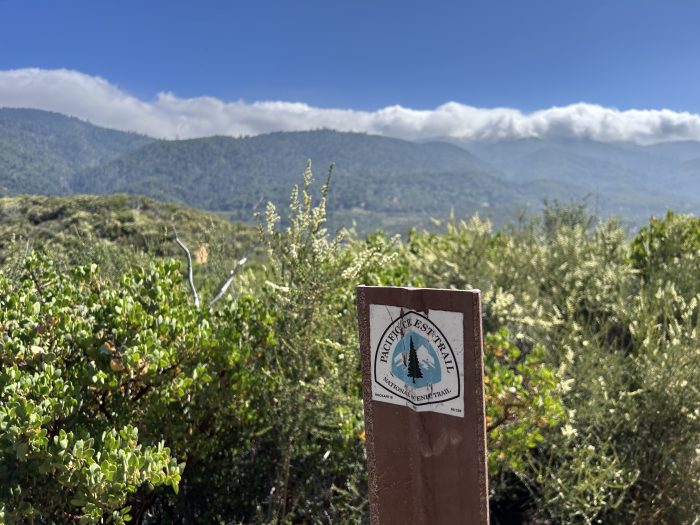
A wall of cloud hangs ominously in the distance.
Featured and Featured
The best part of the desert has been the Deep Creek Hot Spring. The best side quest is between the trip down Class IV rapids, more cliff jumping, and river surfing behind a rock. Or the Eagle Rock Gold Mine in Julian, a somewhat sketchy but fun place that bridges the whitewater.
The worst part of the desert was the water hauling. Carrying 13 pounds of water is not the best time. But it was very necessary because of the heat, the sun and the long distances between the streams.
In any case, heavy water is no longer transported in the Sierras. Now I have to carry heavy food. To Mount Whitney and beyond I go.
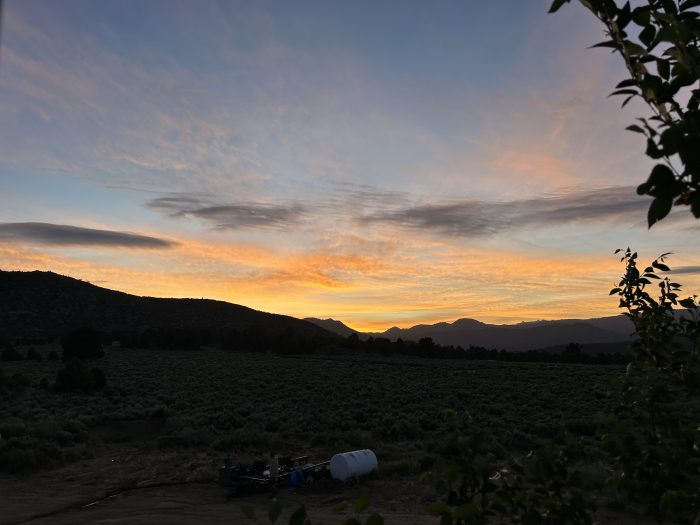
Bye Desert, it’s been fun.
This website contains affiliate links, which means The Trek may receive a percentage of any products or services you purchase using links in articles or advertisements. The buyer pays the same price they would otherwise pay, and their purchase helps support The Trek’s ongoing goal of bringing you quality backpacking information and advice. Thank you for your support!
For more information, visit the About page of this site.






/https://tf-cmsv2-smithsonianmag-media.s3.amazonaws.com/filer_public/73/8b/738b1da3-f749-44ab-8a50-9a962dedd43a/win01411.jpg?w=100&resize=100,75&ssl=1 "Hace 500 años, el cuaderno de Leonardo da Vinci fue cortado y separado. Ahora, los manuscritos y dibujos del inventor se reconstruyen en un archivo en línea
|")

