

There are two versions of me.
The first is the confident hiker who thought, «I’ve survived the desert, climbed countless mountains, filtered water from horse troughs, and bought enough tortillas to supply a Mexican restaurant. The Sierra? Go ahead.»
The second version is the man standing at over 10,000 feet wondering why tying his shoes suddenly felt like running a marathon.
If you’ve never experienced altitude before, let me introduce you to one of Mother Nature’s favorite practical jokes. First it allows you to walk thousands of kilometers and then it silently steals your oxygen. Without prior notice. No apology. Just a little polite reminder that you’re basically a sea level creature pretending to be a mountain goat.
A proud lowlander
Looking back, there was one important detail that I conveniently overlooked before entering the Sierra. I grew up in the great state of Illinois. Illinois is a wonderful place, but let’s be honest, it’s not exactly famous for its mountains. The highest point in the entire state is just over 1,200 feet above sea level. At home, if someone says they’re climbing a mountain, they’re probably talking about an interstate overpass or the sledding hill behind the local elementary school. In other words, I am a proud lowlander.
For most of my life, my lungs have enjoyed abundant oxygen that allows them to breathe as much as they can. They had rarely been asked to perform above 10,000 feet. So when I arrived in the Sierra, my body reacted as if someone had silently changed the laws of physics without sending me the memo.
My brain confidently said, «You’ve walked almost a thousand miles. You’ve got this.» My lungs responded, «Excuse me… where did all the oxygen go?» Apparently, spending your childhood surrounded by cornfields instead of mountains doesn’t prepare you for life above the tree line.
The Sierra quickly reminded this Illinois country boy that while I may have become a hiker, at heart I will always be a lowlander trying to negotiate the mountain air.
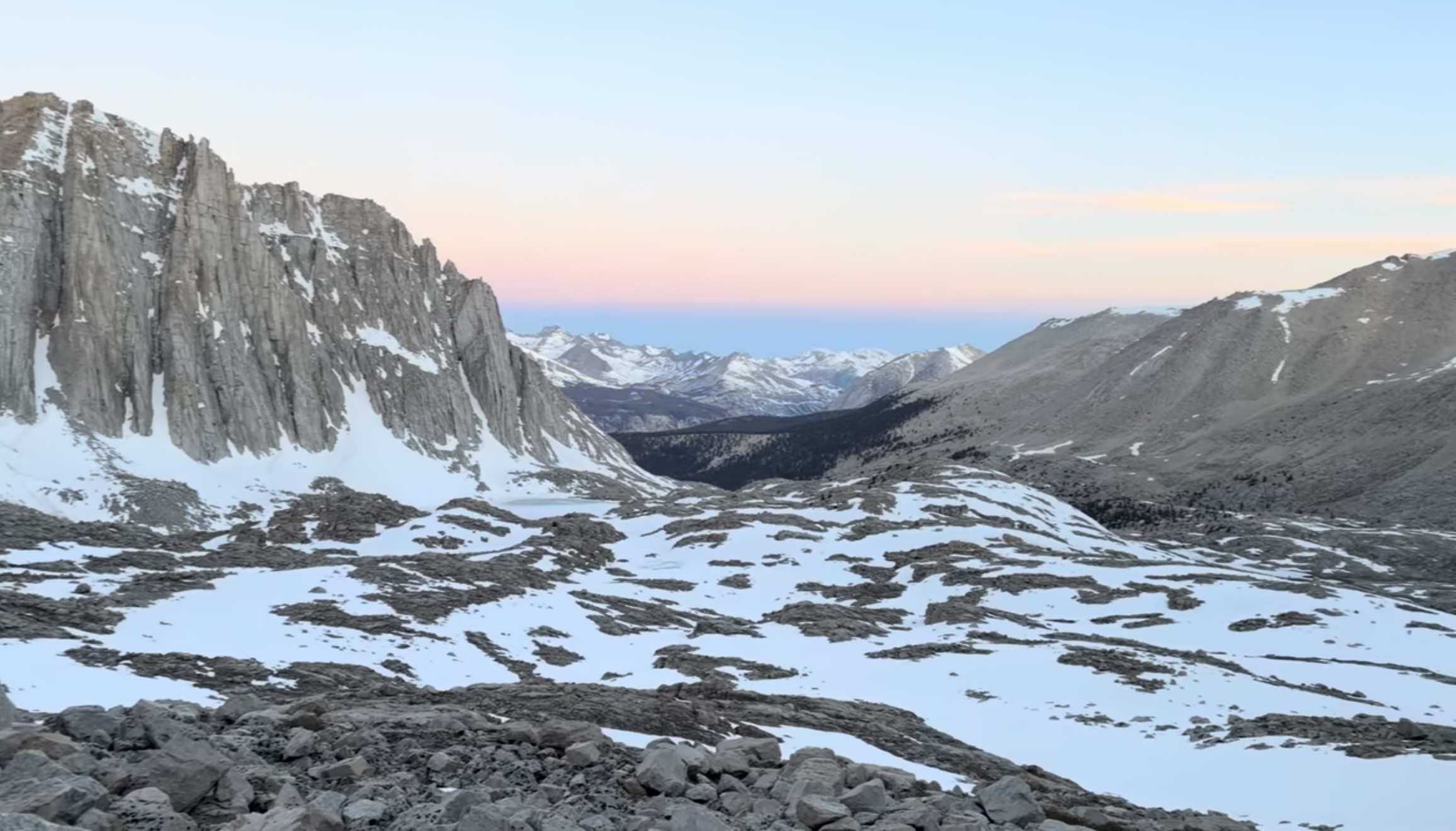
The mountains don’t care about your resume’
One thing I wish I had understood before arriving in the Sierra is that altitude doesn’t care how many miles you’ve hiked.
«Oh, have you hiked the Appalachian Trail?» nice. Oh, have you hiked over 700 miles on the Pacific Crest Trail? Adorable. Have you been carrying a backpack around California for almost three months? How nice. Now climb this mountain while breathing through a coffee stirrer.”
The high mountains are the ultimate equalizer. You may be an ultramarathon runner, an experienced backpacker, or someone who has seen the movie “Everest” more than a dozen times. Altitude affects everyone. Some in more ways than others.
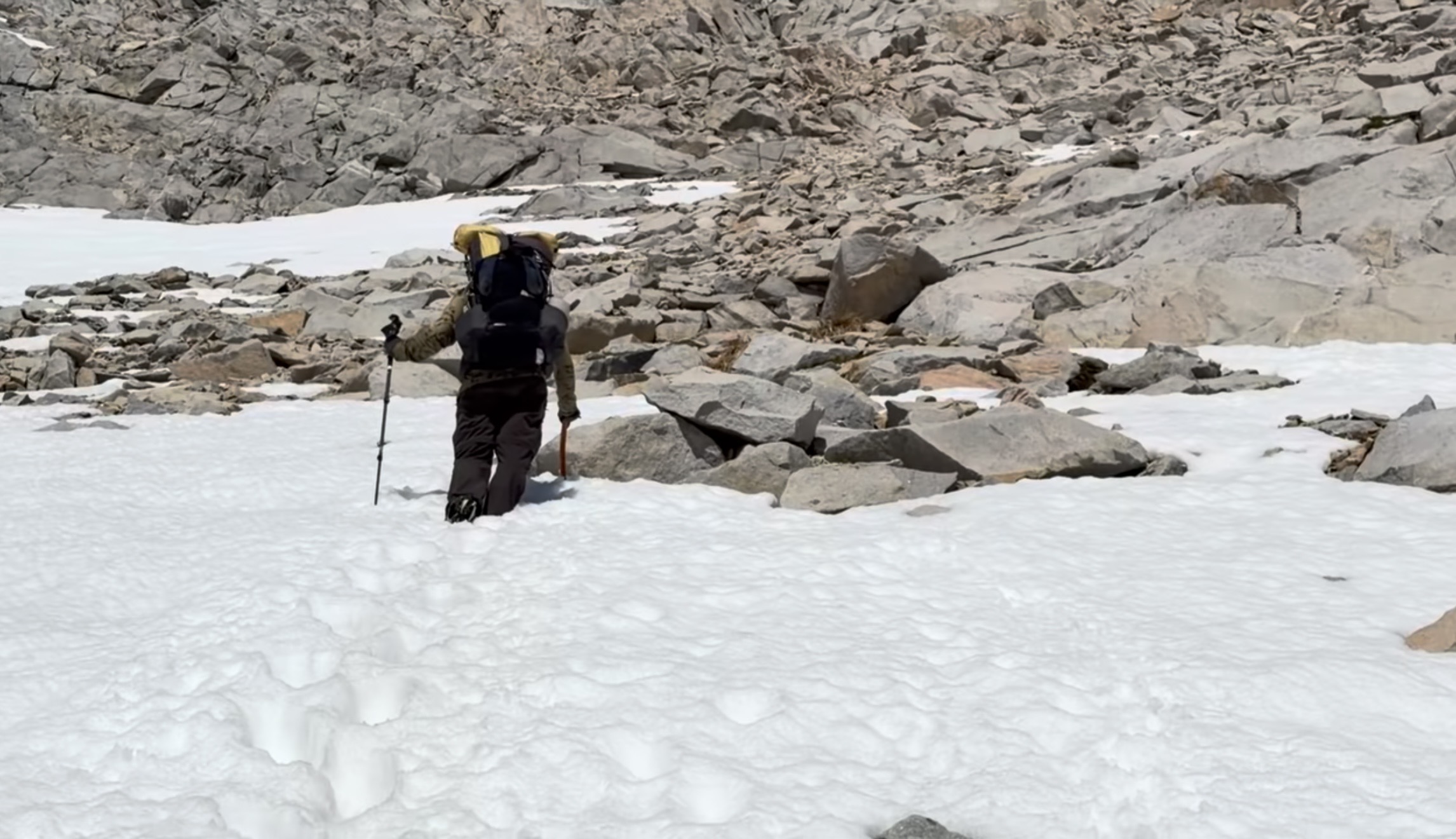
Walk like you’re 97 years old
Before entering the Sierra, I thought I knew what it felt like to climb mountains. I made a mistake. At high altitude, I would stop after climbing what seemed like twelve feet. I would stand there, hands on my trekking poles, breathing like I had just run away from an angry bear. Except there weren’t any bears. It was just me and my crushed ego.
At that time there wasn’t even a steep climb. It was more of an enthusiastic climb up the side of a high mountain pass. Nothing too graded, just a higher elevation than I was used to.
Meanwhile, a 68-year-old hiker named “Woody” casually floated past me while eating a Snickers bar and talking about his philosophy of life. “Beautiful day, isn’t it?” he said with great enthusiasm. «No, Woody,» I would reply, «I’m currently praying to God in hopes that he will spare my life. I feel like I’m dying here.»
Every symptom becomes a Google search
The problem with altitude sickness is that it affects the head. Literally.
Altitude symptoms can include headache, nausea, fatigue, dizziness, and can cause a person to forget the name of their own trail. If it’s not the altitude, you’ve simply been eating too many gummy bears and your brain is on sugar overload.
Every morning became an internal health assessment. “How do I feel today?” I asked myself. «Well, my head still hurts.»
Then I would go through the checklist. «Did I drink enough water?» I think so. «Am I just tired? Maybe. «Or is this how my story ends?» I hope not.
The brain has an amazing ability to become overconfident and catastrophically pessimistic in the same five minutes. Sometimes a hiker’s own pride can get him into trouble if he is not careful and pushes the limits too far.
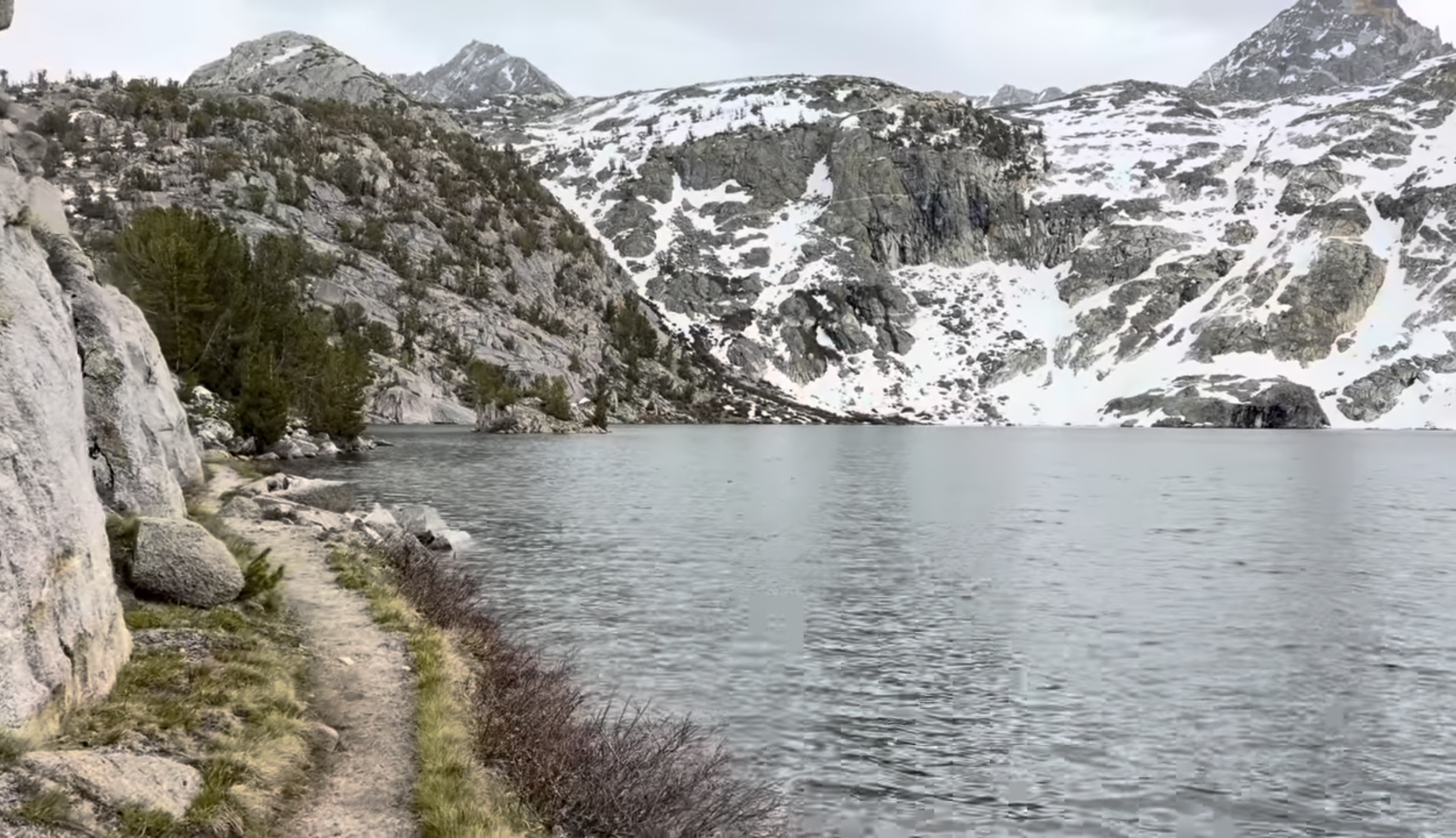
Hydration is not optional
I knew hydration was important. What I didn’t know is that altitude treats dehydration as an accomplice. The two work together as cartoon supervillains. Altitude whispers, «I’ll make him dizzy.» Dehydration says, «I’ll make it worse.» Then they high-five you as you wonder why your backpack suddenly feels like it’s full of heavy rocks.
It is important to drink plenty of water. And then drink more. Then drink again because you forgot you’ve been breathing all day, causing moisture to escape from your body. Not to mention all the sweat loss from the grueling fifteen mile climb you just completed.
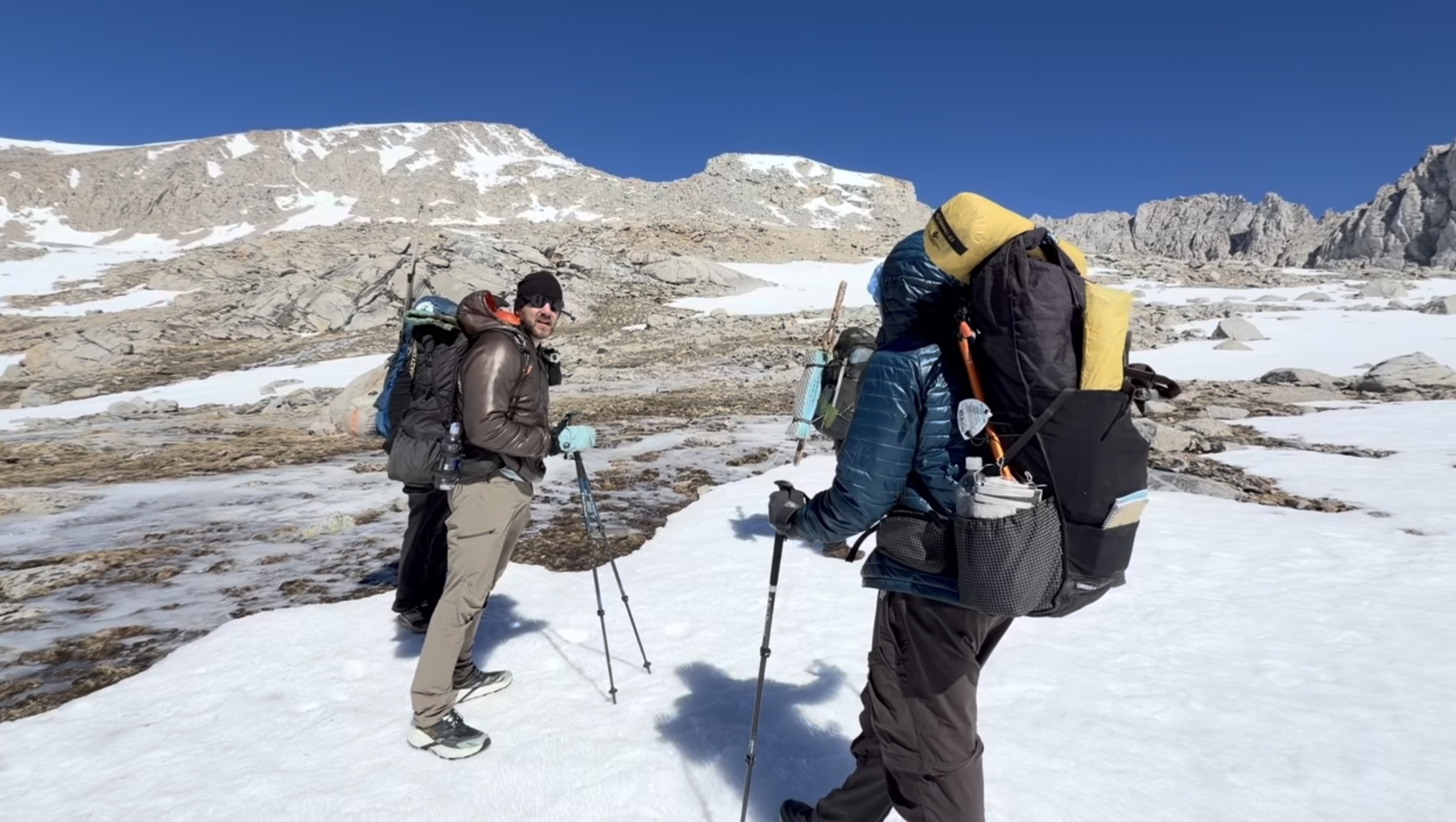
Your ego is the first thing to lose elevation
One of the most difficult lessons was not physics. It was mental. When you’ve been making steady progress for months, slowing down feels like failure. Everyone seems to pass you by. You start comparing yourself to others. You wonder if you’re losing your edge.
You wonder if everyone else is secretly judging your slow progress. Spoiler alert: they are not.
The reality is that some people simply acclimate better than others. Sometimes it doesn’t make sense. It is simply the way some people are built or possibly where they live in relation to elevation.
The comparison game can be a grueling sport at 10,000 feet. Nobody has time for that and it doesn’t even produce positive results.
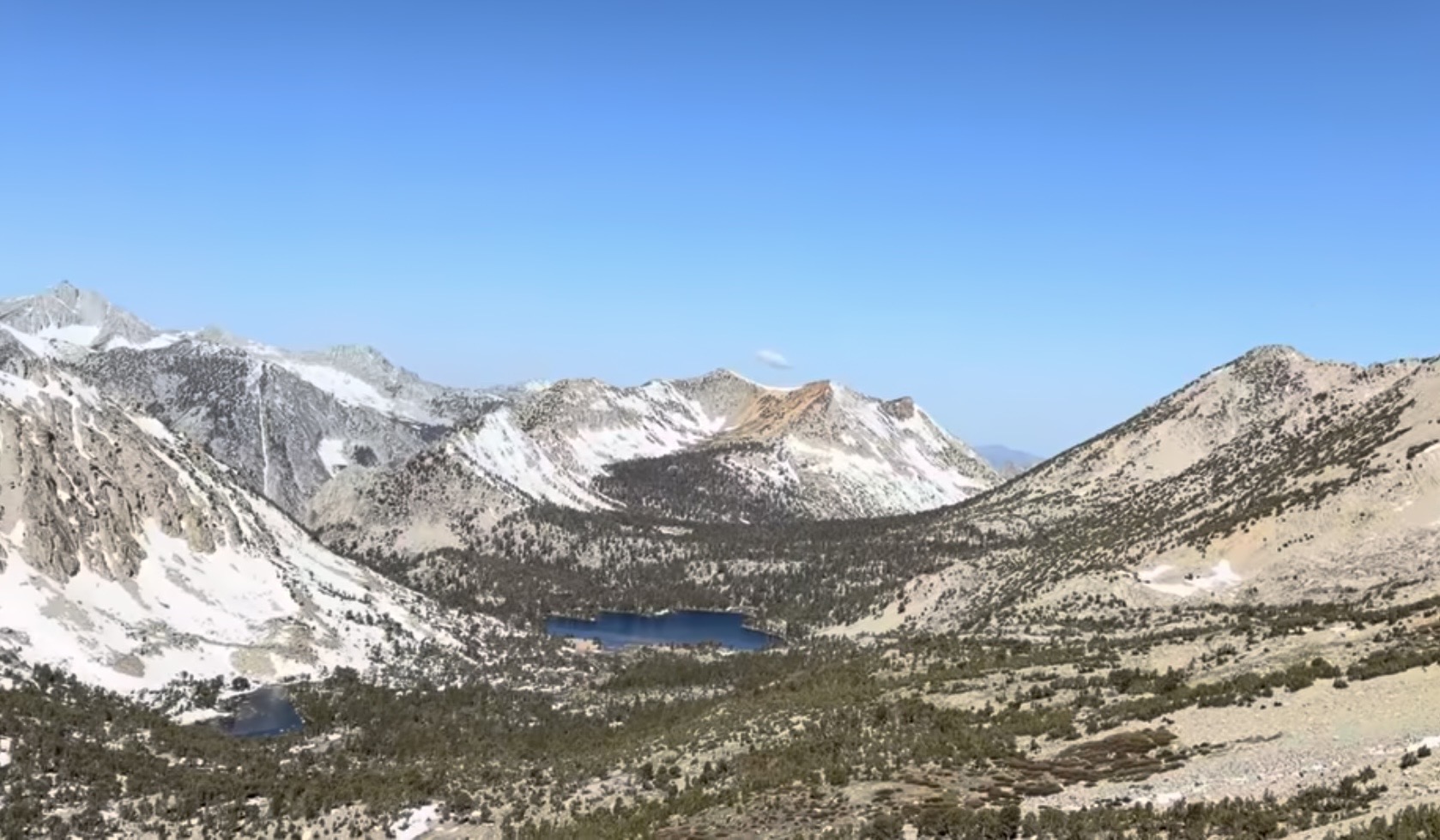
It Turns Out Rest Days Really Work
For months, my trail strategy had been blissfully simple: walk. Eat. Sleep. Repeat. Then the altitude came up and he said, «Actually, today you’re going to sit on this rock for twenty minutes.» I argued but the altitude didn’t care.
One thing I wish I had accepted sooner is that recovery is not weakness. Sometimes your body doesn’t ask for more determination. He’s asking for a break. Those are two very different things. However, listening to your body can sometimes be difficult. This is for two possible reasons: (1) your body speaks a foreign language that your brain doesn’t understand, or (2) your brain is simply being too stubborn. The latter was true in my case.
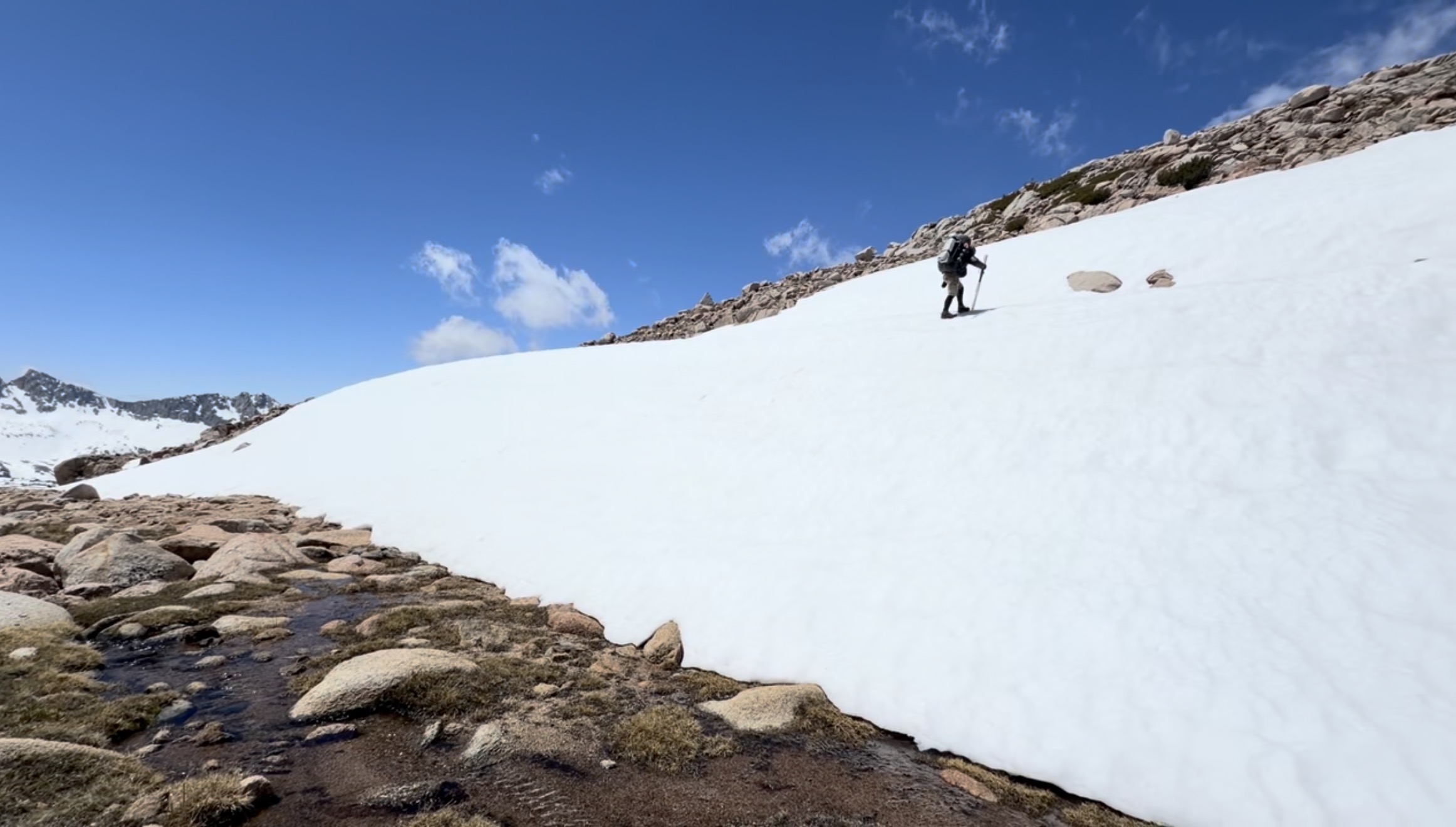
Humility is included at no additional cost
There’s something wonderfully humiliating about being passed by someone wearing Crocs. Or someone carrying a ukulele. Or someone whose backpack looks like it contains an entire REI tent.
You realize that the path is not a competition. It’s an experience. Nobody gets a trophy for getting to the next step twenty-seven minutes early. Well, unless someone starts handing out trophies. In which case I’d like one for «Most Dramatic Breathing.»
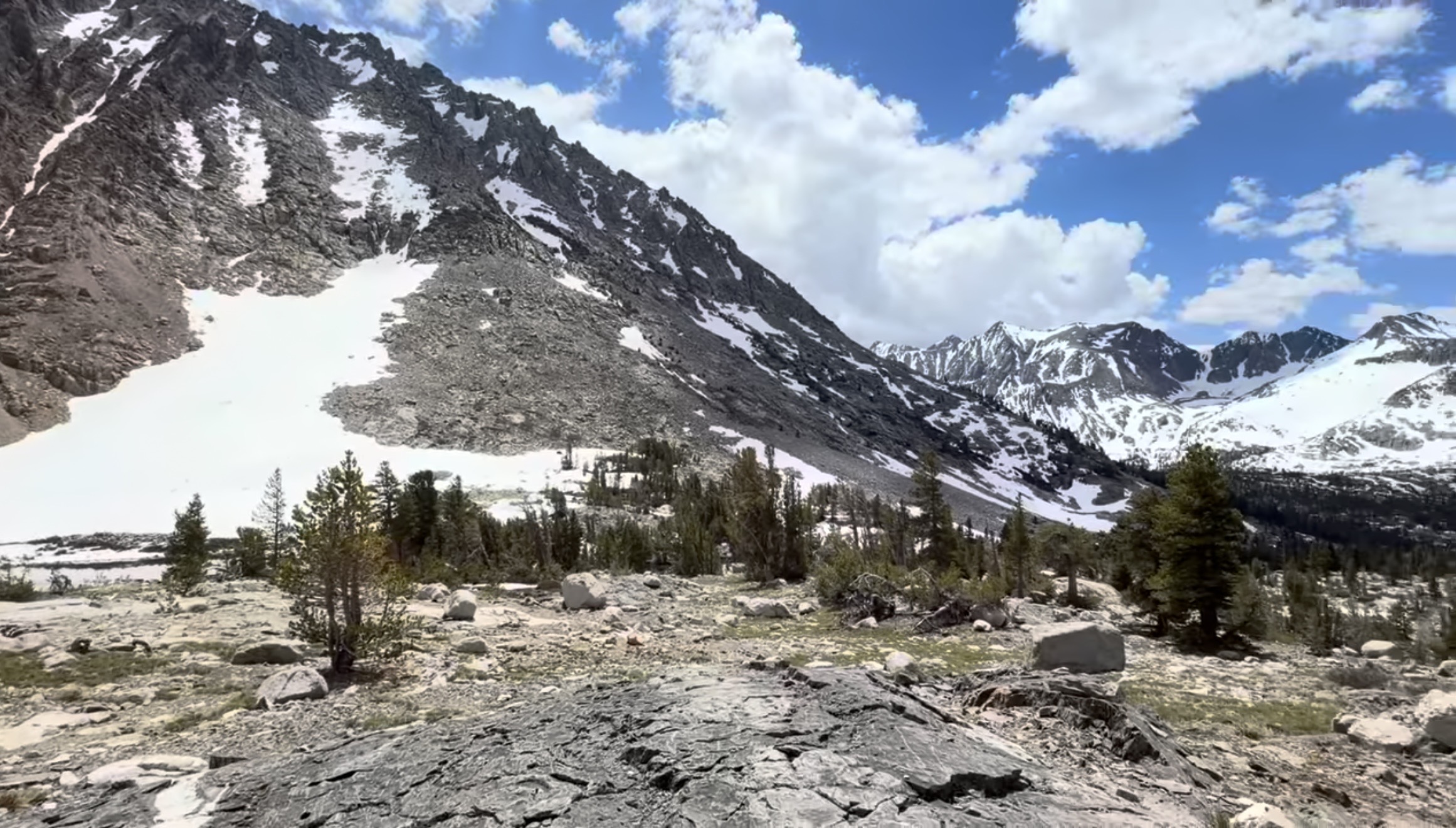
The hardest lesson to learn
Finally, I reached a point where continuing was not the best choice. That was one of the hardest decisions I’ve ever made. Not because I didn’t love hiking, but because I did. Sometimes the bravest decision is not to try harder. Sometimes it’s listening when your body says, «Not today.»
That’s a lesson I didn’t want to hear at the time. However, it is a lesson I am grateful to have learned. The trail will still be there when it’s ready. My health also had to be there.
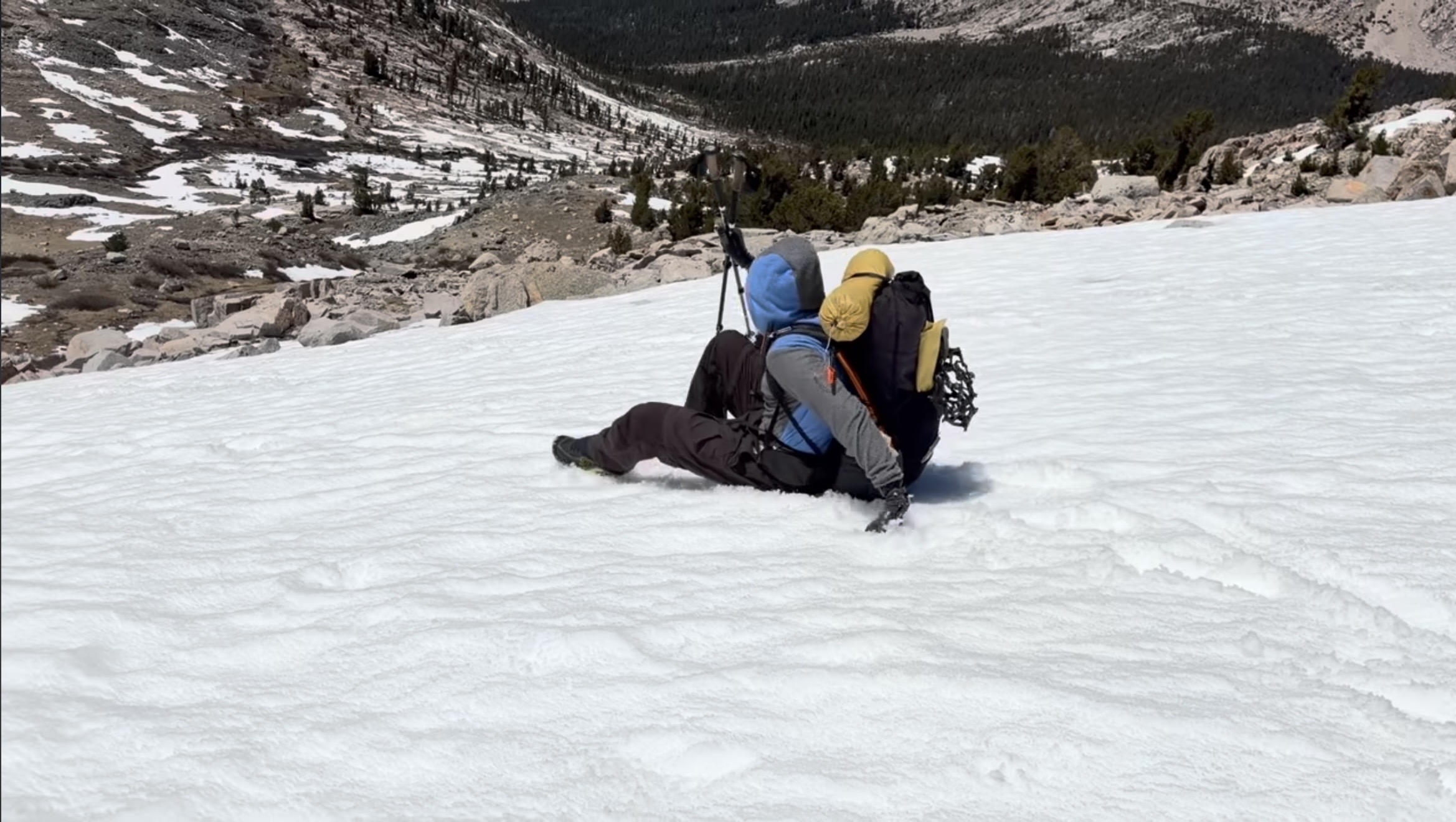
What I wish someone had told me sooner
If I could sit down with all future PCT hikers before they entered the Sierra Nevada, this is what I would say:
- Don’t underestimate the altitude.
- Constantly hydrate yourself.
- Eat even when you don’t feel like it.
- Slow down more than you think is necessary.
- Listen to your body instead of your pride.
- Don’t compare your pace to anyone else’s.
- And remember, turning around doesn’t erase the miles you’ve already walked.
The Sierra is not trying to defeat you. It’s simply asking for your respect. Now that I look back, I don’t remember every mile I walked. I don’t remember every curve. I definitely don’t remember all the brands of freeze dried dinner I consumed. But I will never forget the lesson the mountains taught me. Strength is not pretending you are invincible. Strength is having the wisdom to recognize your limits before crossing into the land of no return.
Plus, nothing keeps you humbler than being out of breath while trying to zip up your tent.
:max_bytes(150000):strip_icc():format(jpeg)/clive-davis-kids-062226-0102312d9e9c4037910cb452ad7ef909.jpg?w=238&resize=238,178&ssl=1 "Todo sobre los 4 hijos de Clive Davis, Fred, Lauren, Mitchell y Doug")

:max_bytes(150000):strip_icc():format(jpeg)/Jake-Ferguson-Haley-Cavinder-1-062226-aa1274a170ed4b4f82252c032c5c2b92.jpg?w=238&resize=238,178&ssl=1 "Jake Ferguson y Haley Cavinder se casan en una ceremonia de boda frente al mar en Miami")
:max_bytes(150000):strip_icc():format(jpeg)/clive-davis-kids-062226-0102312d9e9c4037910cb452ad7ef909.jpg?w=100&resize=100,75&ssl=1 "Todo sobre los 4 hijos de Clive Davis, Fred, Lauren, Mitchell y Doug")





/https://tf-cmsv2-smithsonianmag-media.s3.amazonaws.com/filer_public/96/d3/96d3d9bb-39a1-44d4-8764-76f78a4b0372/death_railway_in_thanbyuzayat.jpeg?w=100&resize=100,75&ssl=1 "Esta famosa estación del ‘tren de la muerte’, construida mediante el trabajo forzado de prisioneros de guerra y civiles en la Segunda Guerra Mundial, acaba de ser revelada en Tailandia
|")
