

If someone had told me a few years ago that voluntarily carrying thirty pounds on my back, sleeping on the ground, and voluntarily walking into nature would improve my mental health, I probably would have suggested that I seek professional help. Yet here I am.
Somewhere between the blisters, mosquito attacks, questionable trail water, and eating tortillas for what appears to be the 847th meal in a row, I discovered something surprising.
My anxiety doesn’t go away along the way, but it definitely loses its voice.
The Pacific Crest Trail hasn’t magically solved all of my life’s problems, nor has my Appalachian Trail hike in 2023. I still worry. I still think too much. From time to time I still convince myself that every strange noise outside my tent is a mountain lion or a Bigfoot with bad intentions.
But hiking has changed something inside me.
Here are five reasons why I think hiking has become one of the best anxiety-reducing tools I’ve found.
1. My brain finally has something better to do
At home, anxiety is creative. Make up problems.
“What if this doesn’t work?”
“What if people don’t like me?”
“What if I forgot to pay that bill?”
“What if that mole is actually something terrible?”
“What if the squirrels are secretly plotting against humanity?”
Well…maybe it won’t be the last. However, on the road, my brain has much higher priorities. As…
«Where is the next water source?»
“Did I accidentally leave my trekking poles there?”
«Why does this climb feel vertical?»
«Is this poison oak?»
“When did my snacks disappear?”
Hiking forces my attention to the present moment. It’s hard to obsess about tomorrow when you’re trying not to trip over a rock the size of a microwave. The path does not eliminate anxious thoughts. It just gives your mind healthier problems to solve.
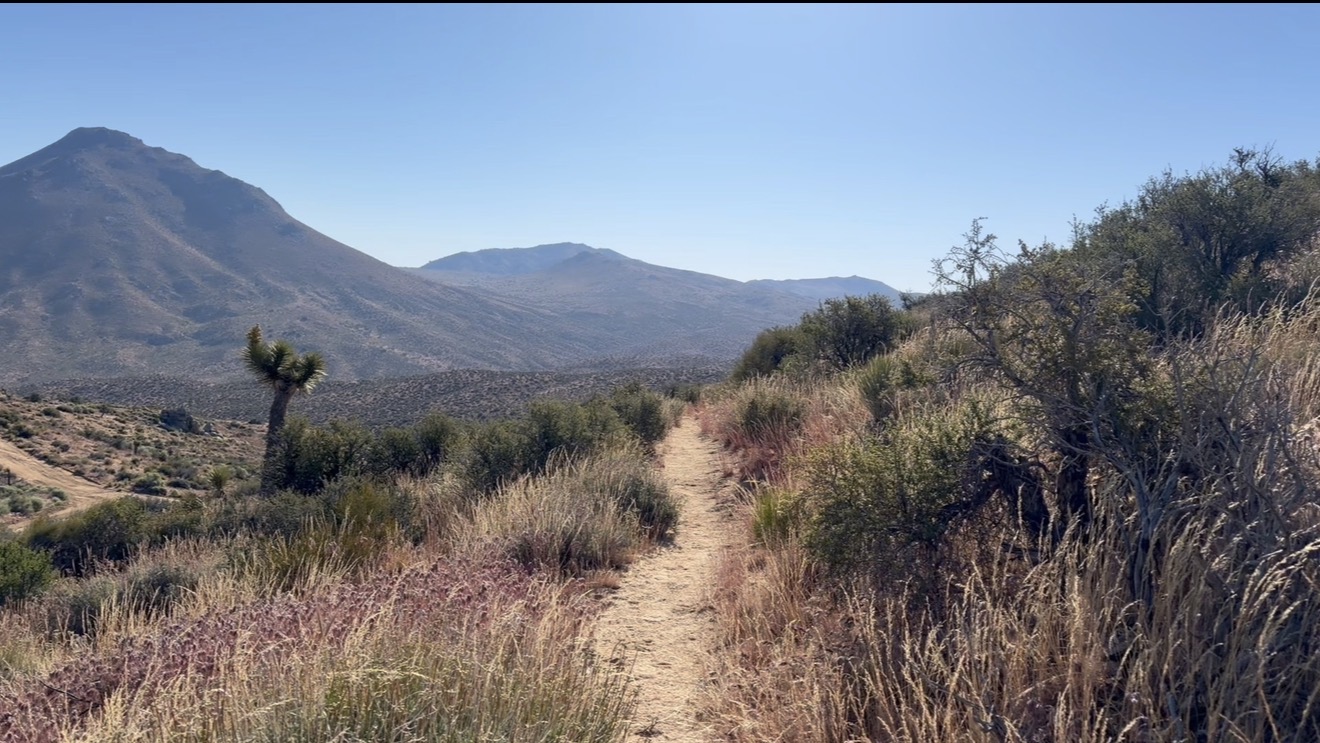
2. Nature doesn’t care about my to-do list
One of my favorite things about hiking is that the forest has no interest in my email inbox. Trees have never asked me why I haven’t responded to a message. The mountains don’t care how productive I have been this week. Streams is not impressed by job titles. The birds have never questioned my five-year plan.
Nature has this wonderful way of reminding me that life keeps moving whether I care or not. The sun still rises. Wildflowers still bloom. The wind still moves through the pines.
Meanwhile, I spent twenty minutes wondering if I offended anyone by using the wrong emoji. Perspective is a beautiful thing.
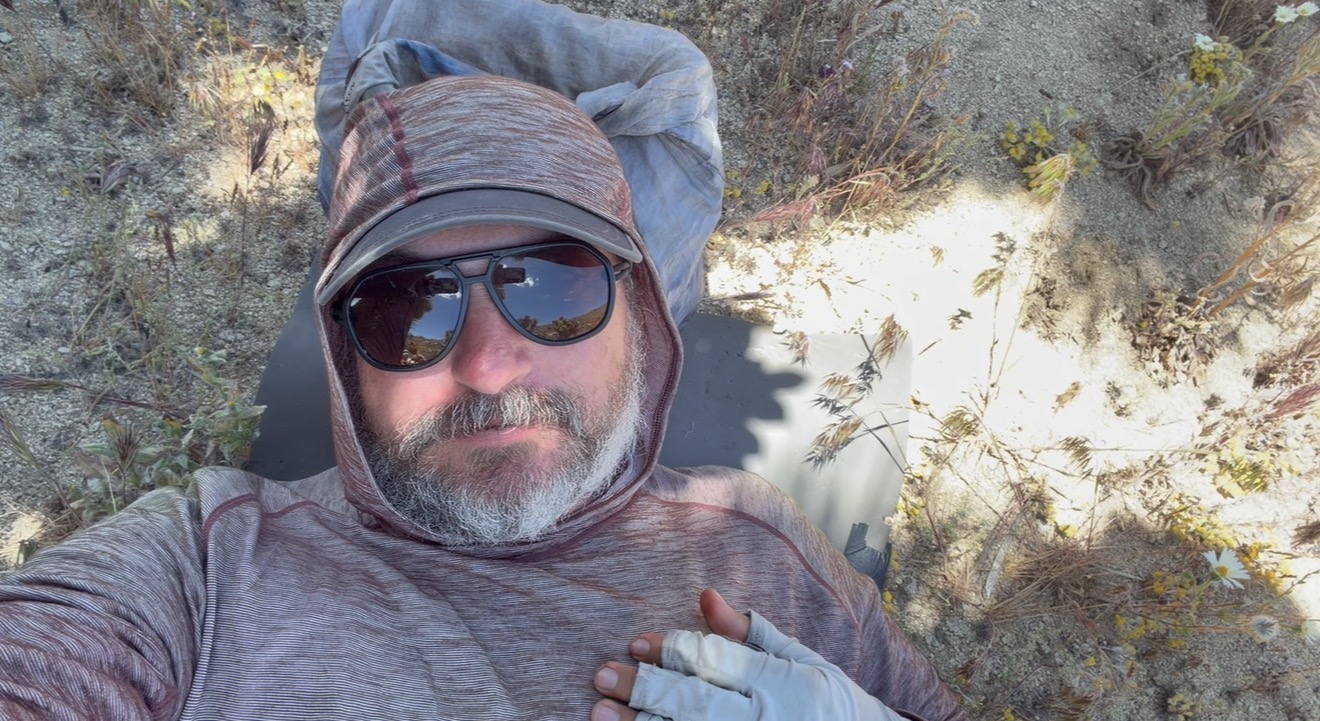
3. Exercise is surprisingly good medicine
I wish I could tell you that I always feel fantastic climbing mountains. That would be a lie. Sometimes I breathe so hard I feel like an old truck trying to start on a cold January morning. Sometimes every uphill switchback feels like it was personally designed by someone who hates hikers. Sometimes my legs make formal complaints to my brain. But after the rise? Something changes. Stress is softened. My thoughts slow down. The constant mental chatter becomes quieter.
Science tells us that exercise releases chemicals that improve mood and reduce stress. I don’t remember all the fancy scientific names. All I know is that I usually feel much better after ten miles than before I started walking. Unless you’re relentlessly ascending uphill. Then ask me again tomorrow.
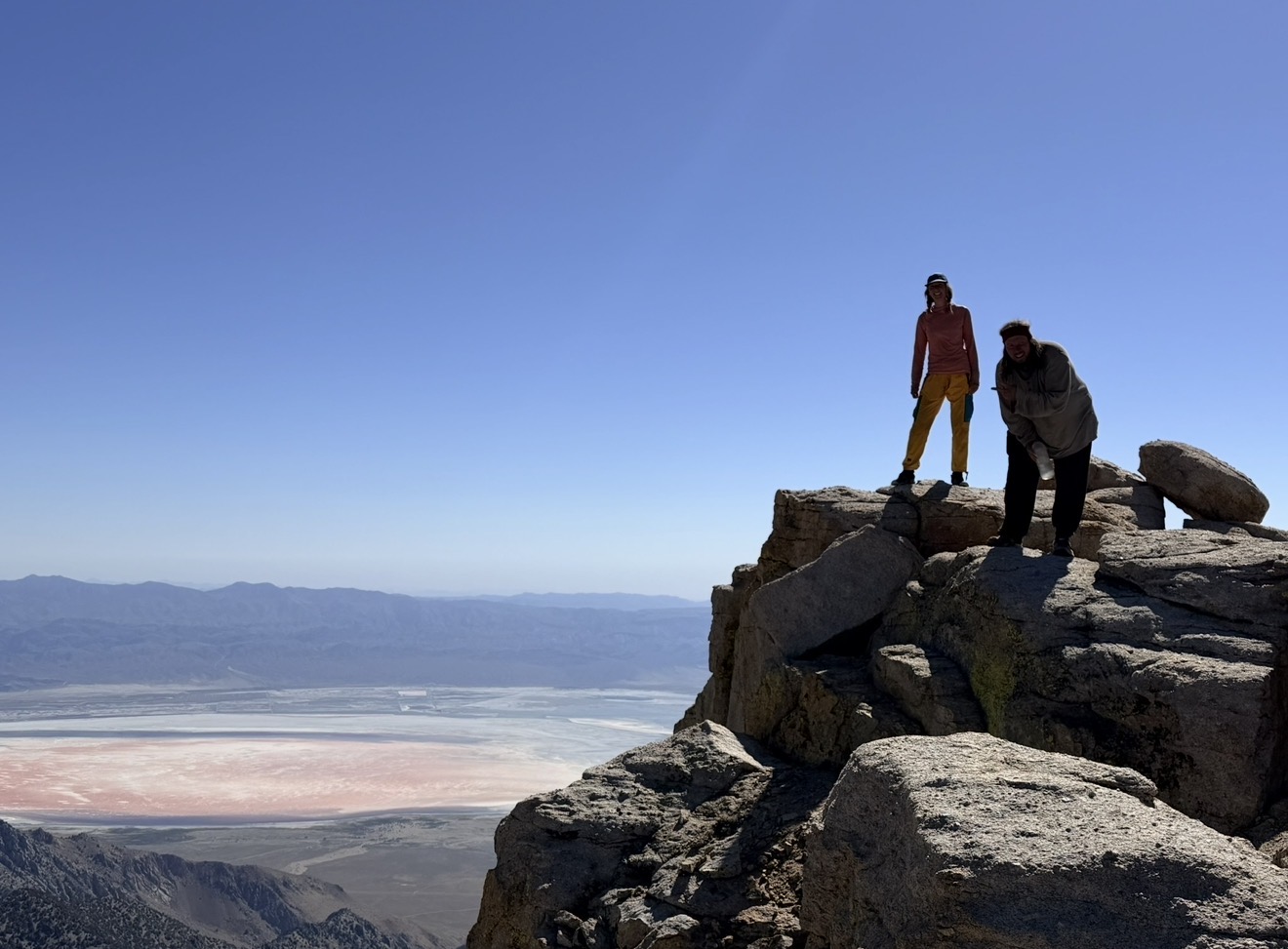
4. Every mountain generates confidence
Anxiety loves to tell us that we can’t do difficult things.
The trail politely disagrees. Every difficult climb becomes evidence. Each river crossing becomes evidence. Every cold night. Every storm. Each blister. Every mile. Evidence.
When I started backpacking during the COVID pandemic, there were countless moments where I questioned if I belonged there.
I look back now and realize that those awkward moments were quietly building trust. Long hiking trails have reminded me that I can do hard things. Currently, I have walked over 3000 miles. For me, this achievement is mind-blowing. I used to be the guy who hated crossing the room just to retrieve the TV remote.
My confidence doesn’t come because hiking is always easy. But quite the opposite. It comes because I have discovered that I can do difficult things. That’s a powerful message for anyone living with anxiety. Your mind may tell you that you are fragile. Experience tells you the opposite.
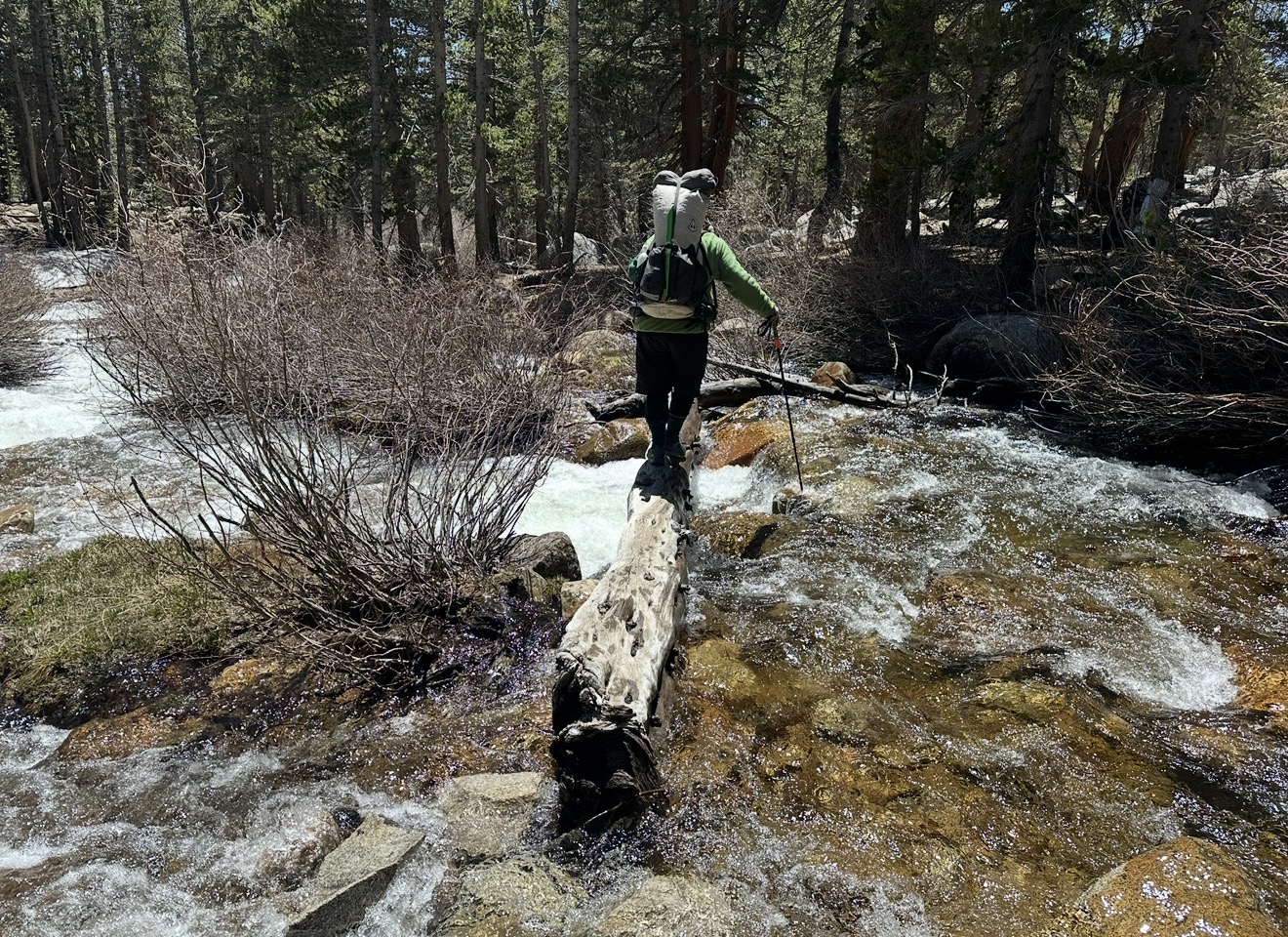
5. Hope is easier to find step by step
The most important lesson the PCT has taught me has nothing to do with hiking. It’s about hope. When you are anxious, life often feels overwhelming. Everything seems urgent. Everything feels huge. Everything requires an immediate response.
The trail has a different philosophy. Take one more step. Then another. In the end, without realizing it, you have walked 500 miles. This is how I have felt healed. Not dramatic. Not instant.
Just thousands of small steps leading me towards a healthier version of myself.
Some days on the PCT have been incredible.
Others have been exhausting. There were times when I wondered if I should continue. There were days when the altitude, the weather, fatigue, or just plain discouragement made me wonder what I was doing. Yet each morning the trail offered the same invitation.
Keep moving forward.
Funnily enough, that’s usually good life advice too.
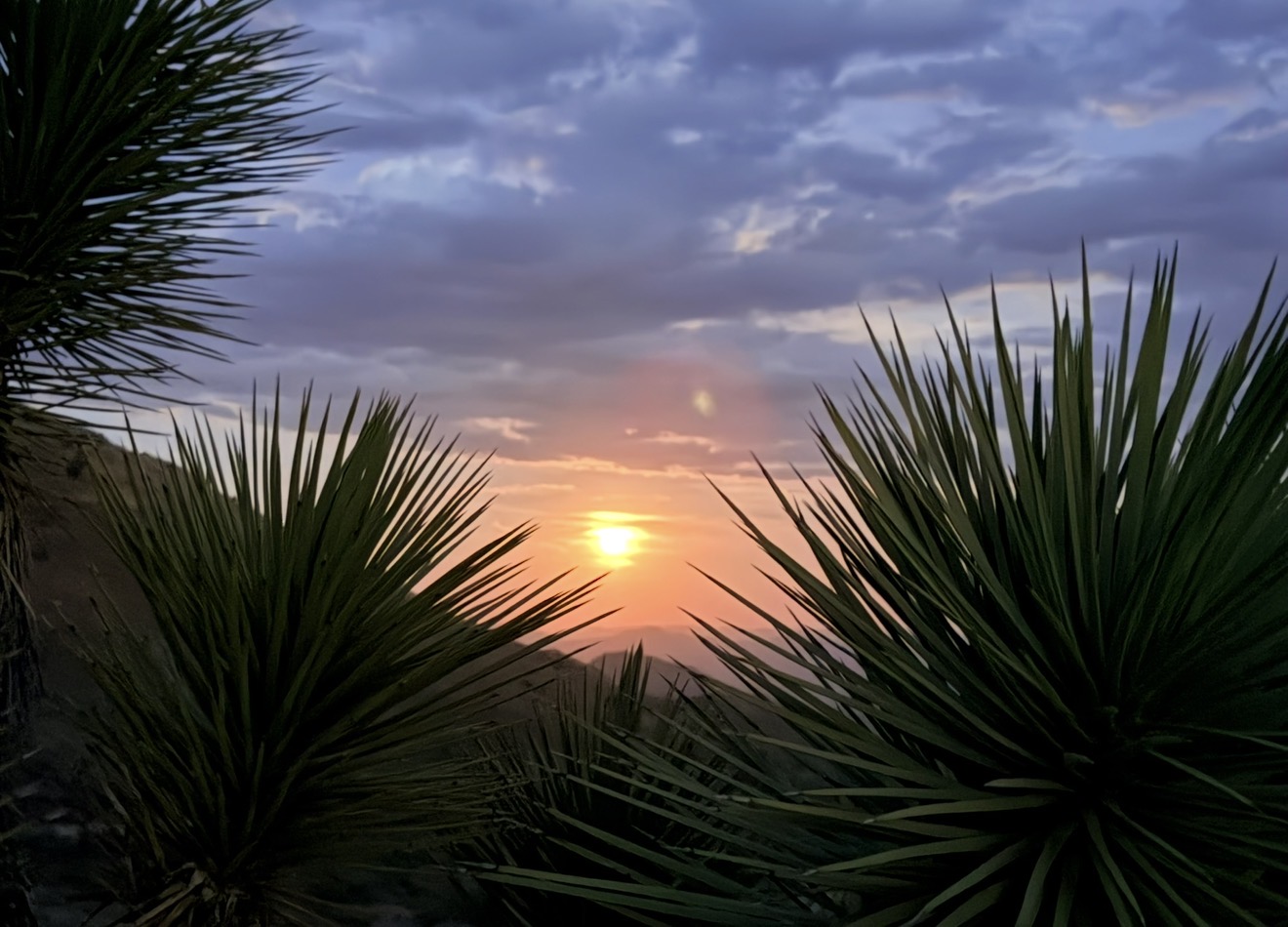
The trail is not therapy… but it has been therapeutic
I want to be careful here. Hiking is not a substitute for counseling, medication, or other mental health treatments when necessary. For many people, including me, professional support can be incredibly valuable.
But hiking has become one of the healthiest habits I’ve developed, along with those other supports. The trail gives me space to think. Sometimes it gives me space to stop thinking.
It reminds me that my worth is not measured by productivity.
The path teaches patience. Modesty. Resilience.
And occasionally, how to identify which bushes should not be used as toilet paper. That’s a valuable life skill.
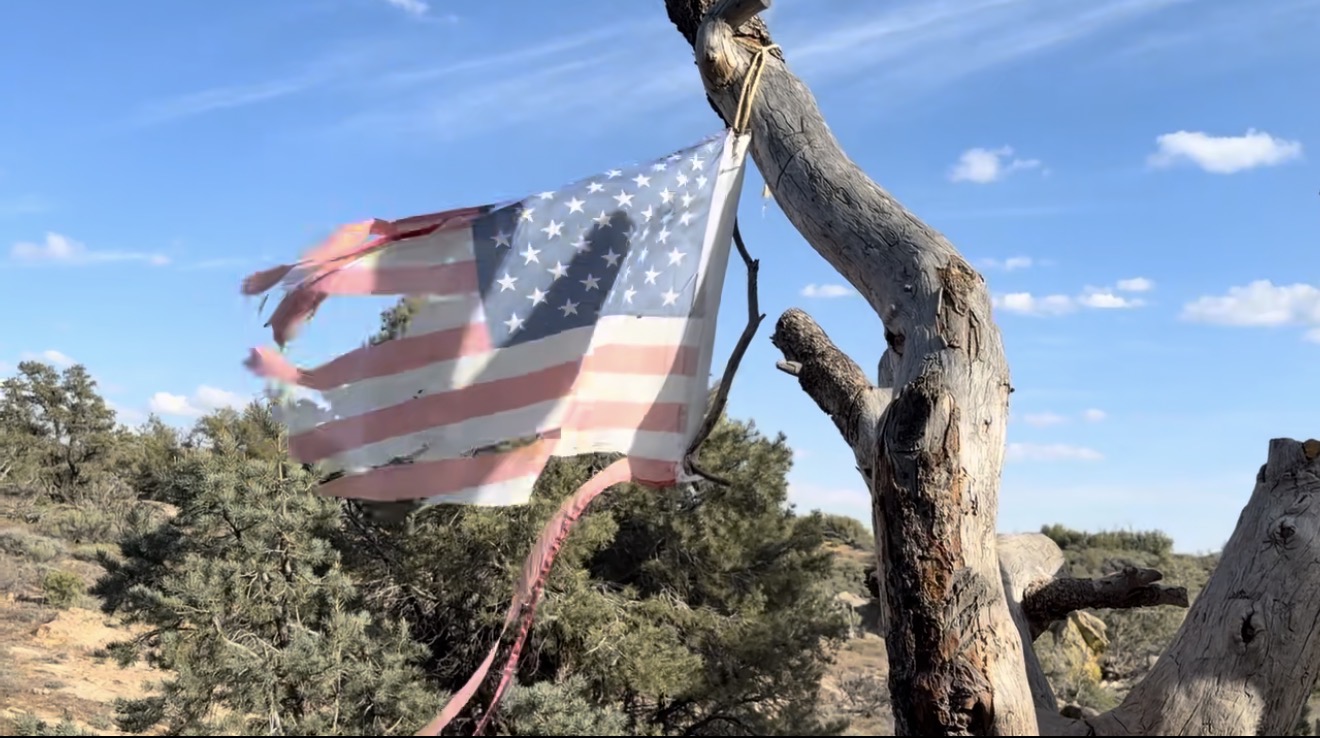
Final thoughts
The Pacific Crest Trail hasn’t turned me into a perfectly calm Zen master. I still have anxious days. I still worry about things I probably shouldn’t. From time to time I still convince myself that every little pain means I’m dying. Old habits die hard. But I also laugh more. I breathe more deeply. I notice the sunsets. I sleep under the stars instead of looking at the ceiling.
I have learned that healing is not always about eliminating anxiety completely. Sometimes it’s about learning that anxiety no longer gets to drive the bus.
If you’re struggling, you may not need to walk 2,650 miles. Maybe you just need to walk around your neighborhood. Visit a local park. Take a weekend backpacking trip. Sit by a stream without checking your phone every thirty seconds.
Nature probably does not solve all problems. But it might remind you that hope grows slowly, just like forests, mountains and people.
In conclusion, if the Pacific Crest Trail has taught me anything, it is this: one step rarely changes your life. But thousands of small steps could achieve it.
:max_bytes(150000):strip_icc():format(jpeg)/julie-ertz-zach-ertz-070826-2-bfcd6b92d56043f8bd32291ebb3d68a7.jpg?w=238&resize=238,178&ssl=1 "Julie Ertz revela que su vestido se atascó en la aduana para la boda ‘muy divertida’ de Taylor Swift y Travis Kelce")


:max_bytes(150000):strip_icc():format(jpeg)/julie-ertz-zach-ertz-070826-2-bfcd6b92d56043f8bd32291ebb3d68a7.jpg?w=100&resize=100,75&ssl=1 "Julie Ertz revela que su vestido se atascó en la aduana para la boda ‘muy divertida’ de Taylor Swift y Travis Kelce")

/https://tf-cmsv2-smithsonianmag-media.s3.amazonaws.com/filer_public/c2/ce/c2ce0048-3318-4f9f-8b0f-1f95cc43dff7/medium_380264-1_4.jpg?w=100&resize=100,75&ssl=1 "La mesa ‘Icehenge’ de siete toneladas de Frank Gehry que una vez decoró el vestíbulo de un rascacielos está a subasta
|")